
Odor control in wastewater systems is often framed as a community relations issue. While public complaints and nuisance mitigation are real concerns, this narrow view overlooks a more critical reality. In most wastewater collection systems, odor is an early warning sign of active infrastructure degradation. When hydrogen sulfide is present in the airspace, corrosion is already underway.
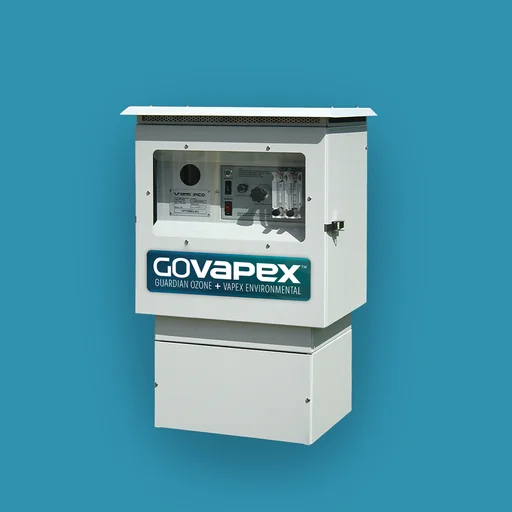
Modern odor control strategies must therefore be evaluated not only on their ability to reduce smells, but on their effectiveness in protecting concrete, coatings, metals, and mechanical equipment. This is where vapor-phase oxidation systems, such as those deployed by GOVAPEX, provide value beyond traditional odor treatment approaches.
The Link Between Odor and Corrosion
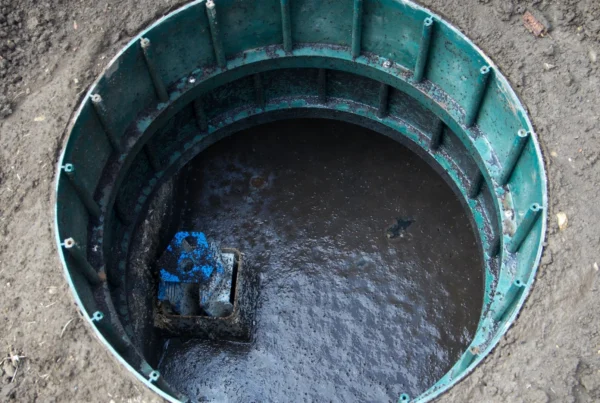
Hydrogen sulfide is produced when sulfate-reducing bacteria metabolize organic matter under anaerobic conditions. This occurs routinely in force mains, wet wells, and low-velocity collection systems. While dissolved sulfide exists in the liquid phase, the most damaging effects occur after it volatilizes into the headspace as H₂S gas.
Once in the airspace, hydrogen sulfide initiates a well-documented corrosion pathway:
- H2S gas accumulates in enclosed or poorly ventilated structures
• Moist concrete and metal surfaces absorb the gas
• Sulfur-oxidizing bacteria convert H₂S into sulfuric acid
• Sulfuric acid aggressively attacks concrete, steel, coatings, and fasteners
This process, known as microbial-induced corrosion (MIC), can reduce concrete service life from decades to just a few years in severe environments. In many lift stations and headworks structures, corrosion progresses unseen until structural damage or equipment failure forces costly repairs.
Why Traditional Odor Control Falls Short
Many conventional odor control technologies are designed to treat odor as a downstream symptom rather than a system-wide risk.
Activated carbon systems remove hydrogen sulfide through adsorption, not destruction. Once media is saturated, breakthrough occurs rapidly, often without warning. In humid environments, performance degrades further, increasing replacement frequency and cost.
Chemical scrubbers can be effective but require continuous chemical handling, pH control, and operator oversight. These systems are typically oversized for decentralized assets and introduce safety and compliance burdens that many utilities struggle to sustain.
In both cases, corrosion risk remains if hydrogen sulfide concentrations fluctuate or treatment performance drops between maintenance cycles.
Vapor-Phase Oxidation as Corrosion Control
Vapor-phase oxidation systems approach the problem differently. Instead of capturing hydrogen sulfide, they eliminate it directly in the airspace before it can interact with surfaces.
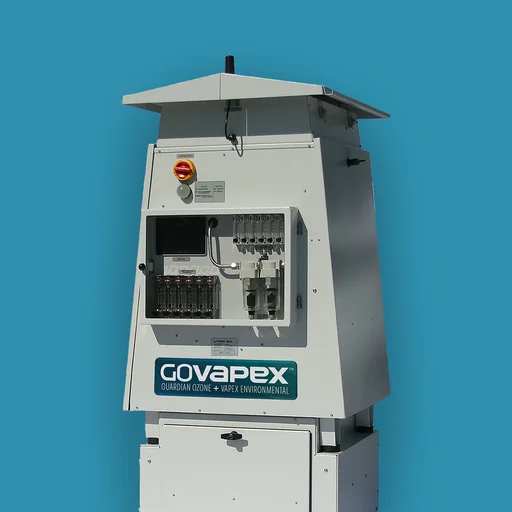
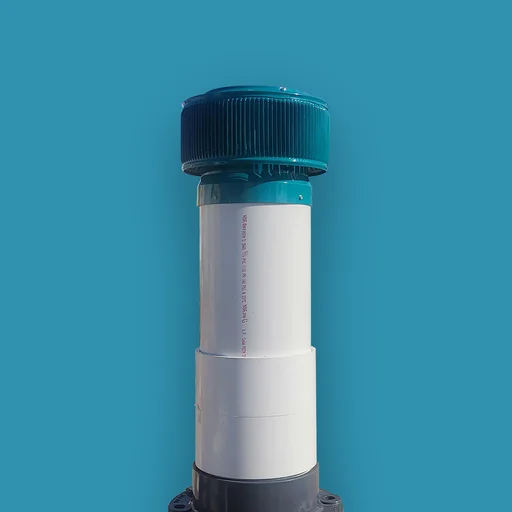
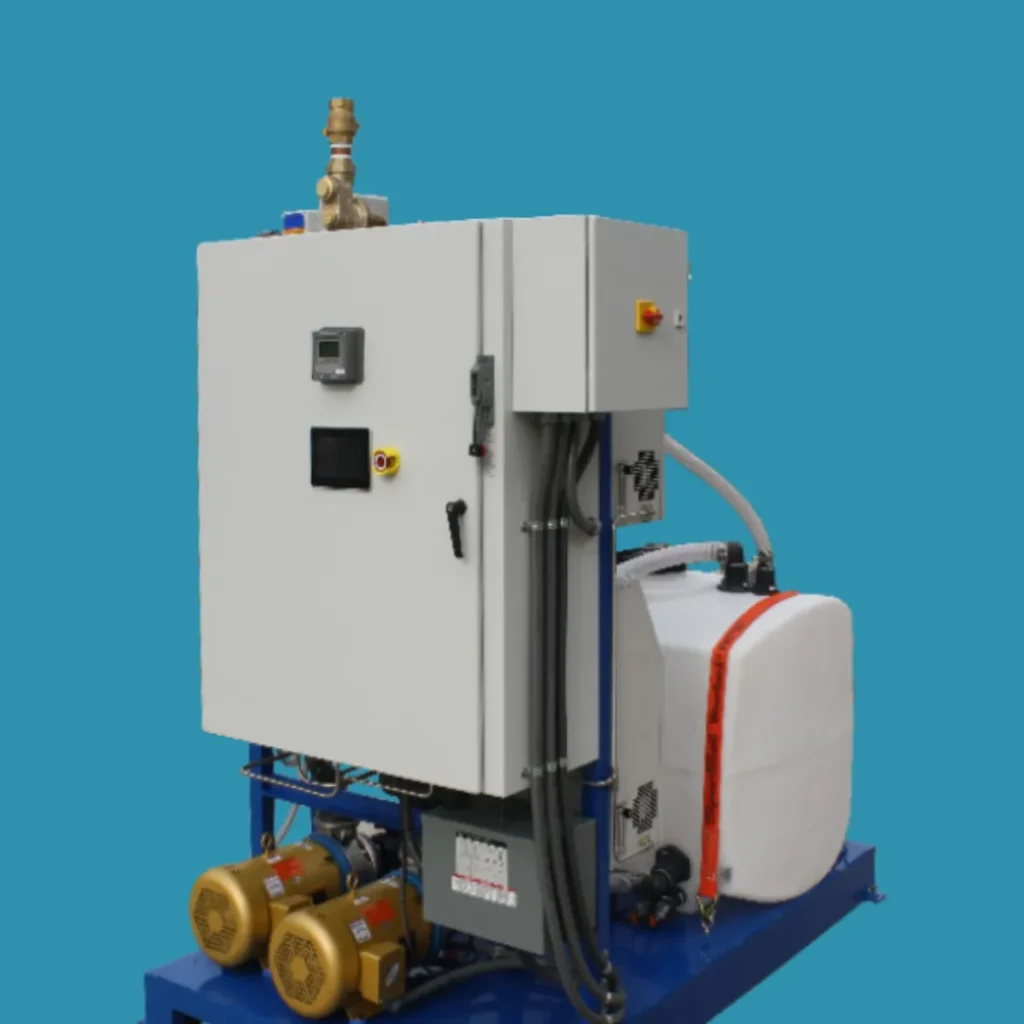
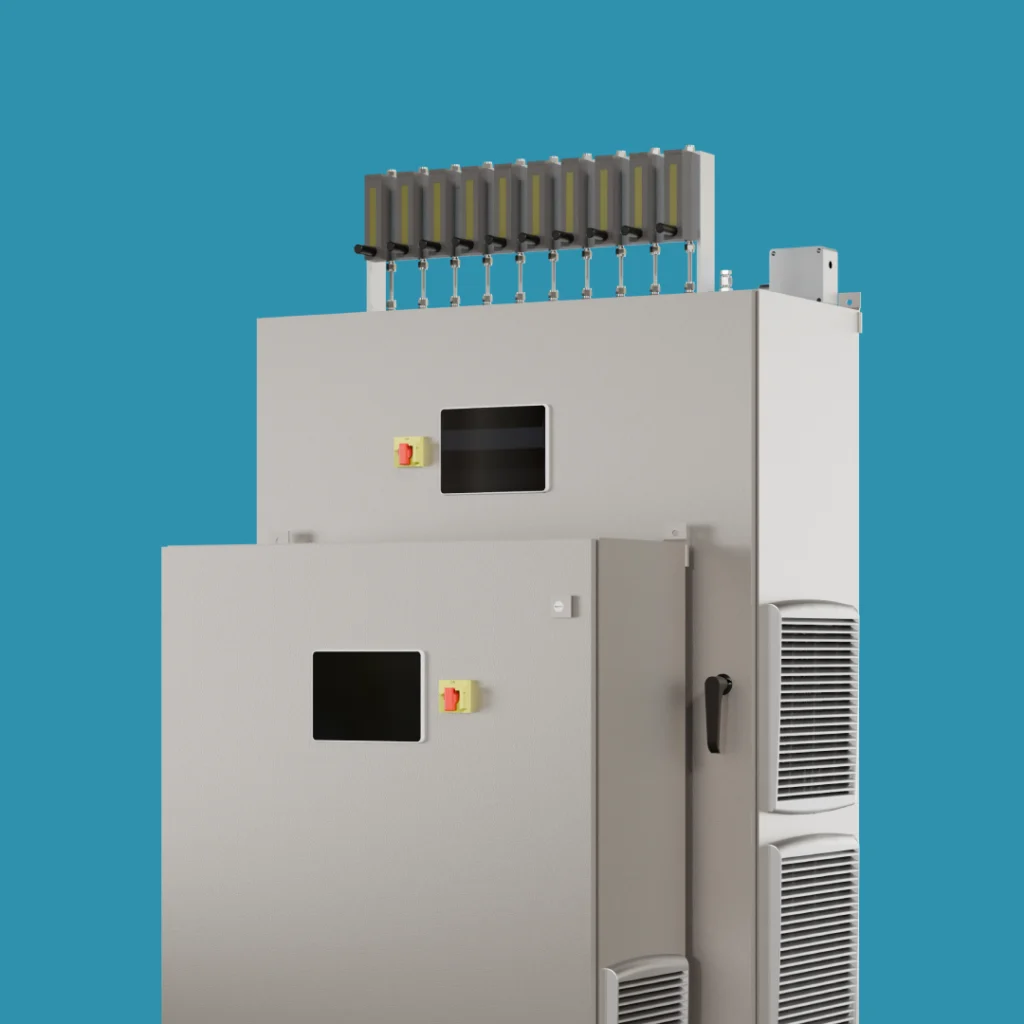
GOVAPEX systems generate ozone on-site and convert it into a hydroxyl-rich vapor that is dispersed throughout the odor space. Ozone and hydroxyl radicals oxidize hydrogen sulfide and other reduced sulfur compounds into stable, non-corrosive byproducts such as sulfate, oxygen, and water vapor.
Because oxidation occurs rapidly and continuously, hydrogen sulfide does not accumulate on walls, ceilings, or equipment. By interrupting the corrosion pathway at the air phase, sulfuric acid formation is prevented.
This distinction is critical. Corrosion is not slowed, delayed, or masked. It is avoided.
Engineering Benefits Beyond Odor Reduction
From an engineering perspective, vapor-phase oxidation delivers several infrastructure-level benefits:
Asset Protection
By eliminating hydrogen sulfide in the airspace, concrete surfaces, coatings, and metallic components are protected from acid attack. Utilities report extended coating life and reduced structural rehabilitation requirements.
Reduced Maintenance Risk
Without carbon media or chemical tanks, maintenance activities are simplified. Operators are not required to enter confined spaces for media changeouts or manage hazardous chemicals.
Consistent Performance
Oxidation-based systems do not rely on adsorption capacity. Performance remains stable across variable loading conditions, humidity, and seasonal flow changes.
Smaller Footprint
Compact vapor-phase systems can be installed at decentralized assets where scrubbers or carbon vessels are impractical.
Field Example: Lift Station Corrosion Mitigation
A coastal utility in the southeastern United States experienced repeated corrosion failures at a lift station discharging a long force main. Hydrogen sulfide concentrations regularly exceeded 60 ppmv, and concrete deterioration was visible within five years of construction.
After installing a GOVAPEX vapor-phase system, measured H₂S levels dropped below 1 ppmv within hours of startup. Follow-up inspections conducted over the next 24 months showed no further surface degradation, and existing coatings remained intact. Odor complaints from nearby residents were eliminated, but more importantly, planned structural rehabilitation was deferred indefinitely.
Odor Control as a Preventative Strategy
When odor control is treated as a reactive measure, utilities are forced into a cycle of complaints, temporary fixes, and escalating maintenance costs. When treated as preventative infrastructure protection, odor control becomes a capital preservation strategy.
By addressing hydrogen sulfide where it causes the most damage, in the airspace, vapor-phase oxidation systems redefine what odor control means in modern wastewater management.
Conclusion
Odor is not just a nuisance. It is a symptom of an active corrosion process that threatens the integrity of wastewater infrastructure. Effective odor control must therefore do more than improve air quality. It must protect assets, reduce risk, and support long-term system reliability.
GOVAPEX vapor-phase oxidation systems deliver odor elimination and corrosion control in a single, integrated approach. For utilities managing aging infrastructure and decentralized assets, this dual benefit is no longer optional, it is essential.