
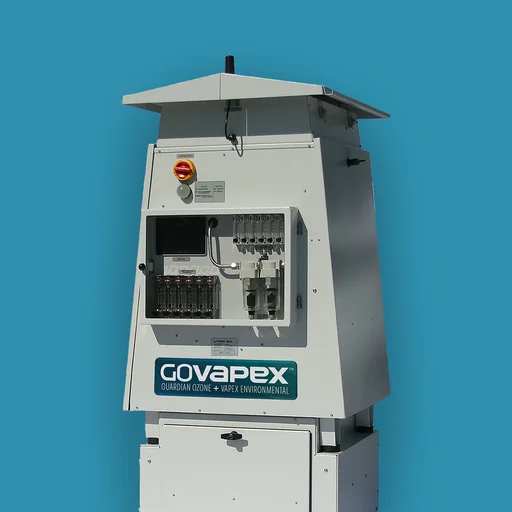
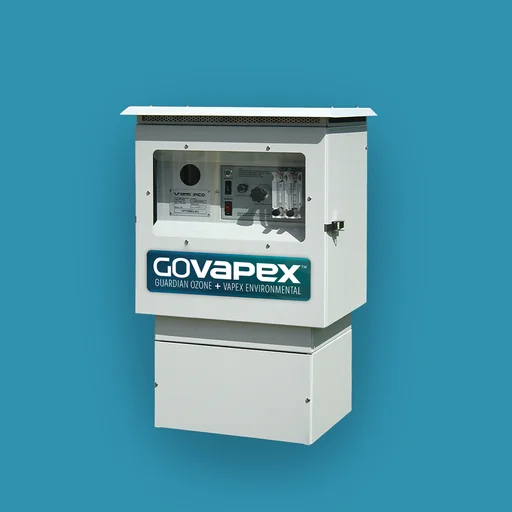
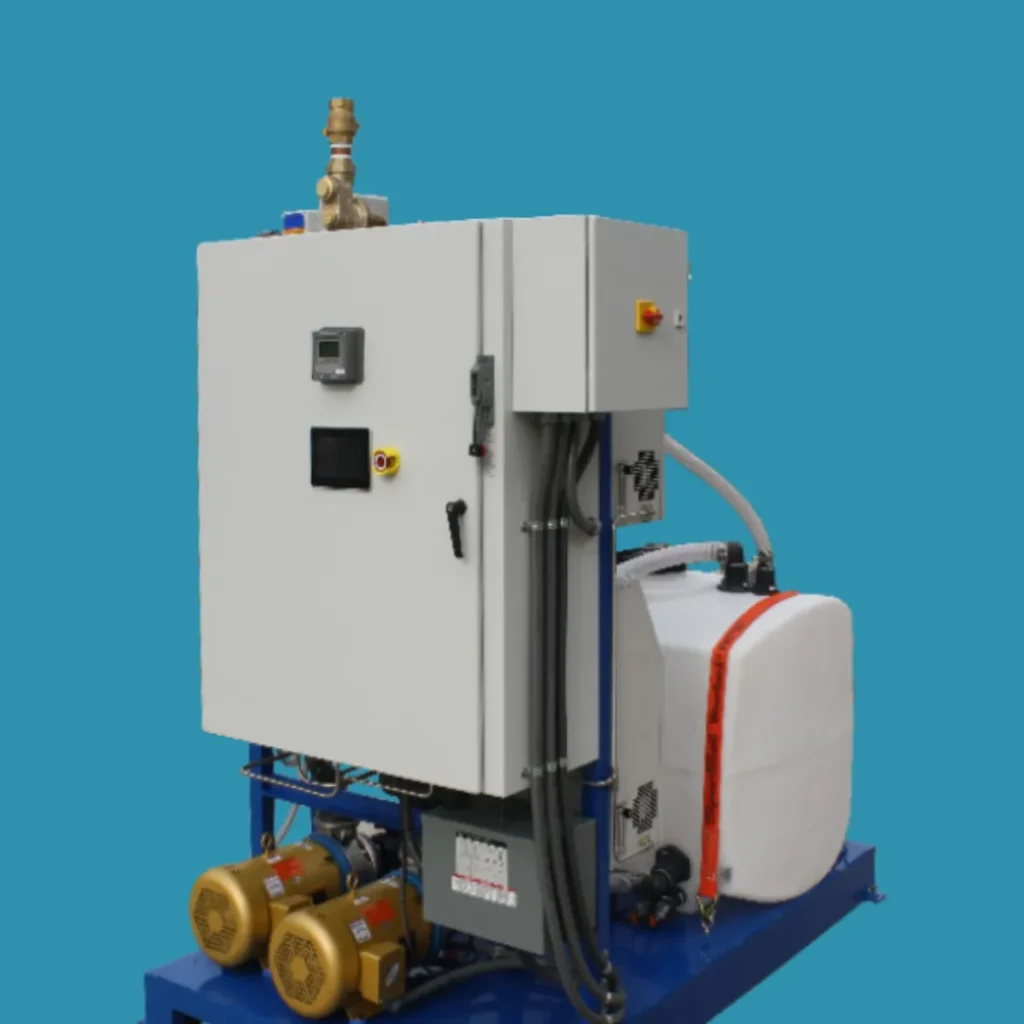
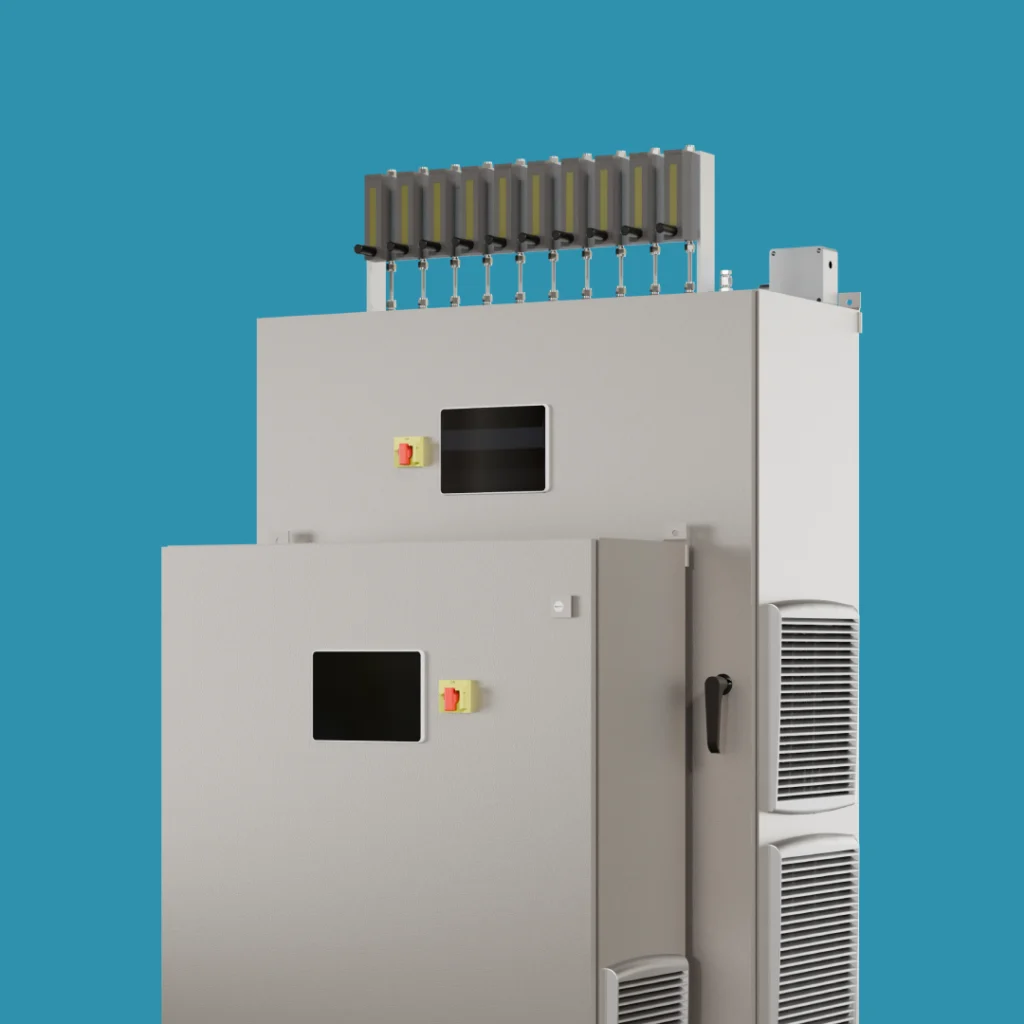

In wastewater engineering, most design focus is placed on liquid-phase processes, flow rates, detention times, and treatment efficiency. However, many of the most damaging and costly problems in collection systems occur not in the liquid phase, but in the headspace above it. Odor complaints, hydrogen sulfide exposure, and microbially induced corrosion are all driven by gas-phase chemistry that is often under-characterized or overlooked during design and operation. Understanding headspace behavior is critical for effective odor and corrosion control, and it is a key area where systems developed by GOVAPEX are applied.
The Headspace Is a Separate Chemical Environment
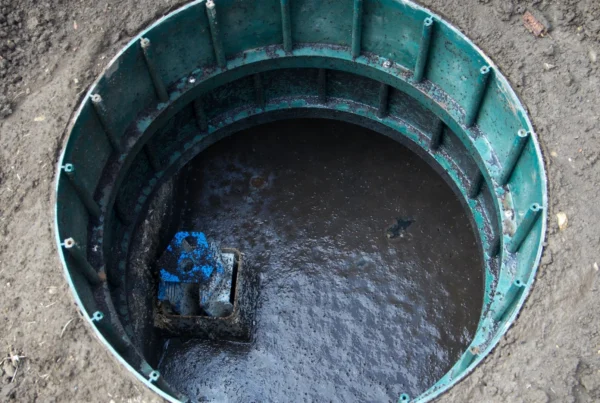
The airspace inside lift stations, wet wells, force mains at discharge points, and manholes behaves very differently from the wastewater below it.
Key characteristics of headspace environments:
- Limited air exchange
- High humidity, often near saturation
- Temperature gradients
- Accumulation of volatile compounds
- Intermittent ventilation
These conditions create a reactive gas-phase environment where hydrogen sulfide and other volatile compounds concentrate and interact with surfaces.
How Hydrogen Sulfide Transitions to the Gas Phase
Hydrogen sulfide originates in the liquid phase as dissolved sulfide. The transition to gas depends on:
- pH of the wastewater
- Temperature
- Turbulence and mixing
- Henry’s Law equilibrium
At lower pH, more sulfide converts to H₂S gas. Turbulence, such as at force main discharge points, accelerates stripping into the airspace. Once in the gas phase, hydrogen sulfide is no longer a water treatment problem, it becomes an air-phase corrosion and odor problem.
The Role of Moisture and Biofilms
Headspace surfaces are typically coated with a thin moisture layer due to high humidity. This layer becomes biologically active and supports sulfur-oxidizing bacteria.
The process:
- Hydrogen sulfide diffuses into the moisture film
- Bacteria oxidize H₂S into sulfuric acid
- Acid accumulates on concrete and metal surfaces
This is the core mechanism behind microbially induced corrosion (MIC). Importantly, this reaction occurs above the water line, which is why structures often appear intact below the surface but heavily degraded above it.
Why Ventilation Alone Does Not Solve the Problem
Ventilation is often the first attempted solution for odor and corrosion control. While it can reduce gas concentrations, it has limitations:
- Air movement may redistribute odors rather than eliminate them
- entilation rates are inconsistent in decentralized systems
- Corrosion continues even at reduced H₂S concentrations
- Energy costs increase with forced ventilation systems
Ventilation manages symptoms, but does not eliminate the underlying chemistry.
Oxidation in the Headspace
A more direct approach is to treat the airspace itself through oxidation. Vapor-phase oxidation systems introduce oxidants into the headspace, where they react with hydrogen sulfide and other reduced compounds.
Key advantages:
- Treatment occurs where the problem exists
- Immediate reduction of H₂S concentration
- Prevention of acid formation on surfaces
- Consistent performance regardless of flow variability
This approach shifts the strategy from removal or dilution to destruction.
Engineering Implications
For engineers designing or retrofitting wastewater infrastructure, headspace chemistry should be considered explicitly.
Design considerations include:
- Airspace volume and geometry
- Expected H₂S loading
- Ventilation patterns
- Surface exposure areas
- Accessibility for maintenance
Ignoring headspace behavior often leads to underperforming odor control systems and accelerated infrastructure degradation.
Conclusion
Wastewater systems are not just hydraulic systems, they are chemical environments that extend into the airspace above the liquid. Headspace chemistry drives many of the most significant operational and asset-related challenges, including odor and corrosion. By understanding and addressing gas-phase reactions directly, utilities can improve system performance, reduce maintenance costs, and extend infrastructure life.