
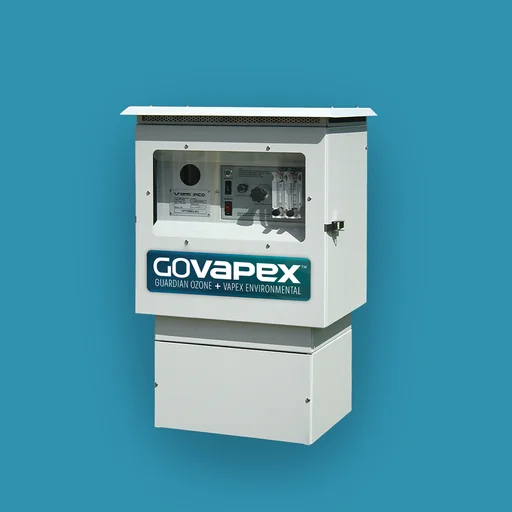
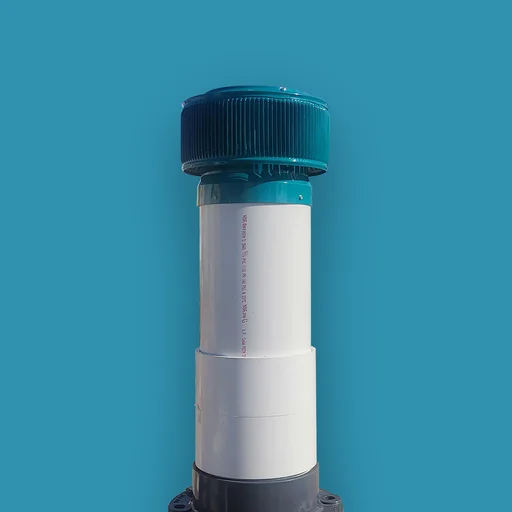
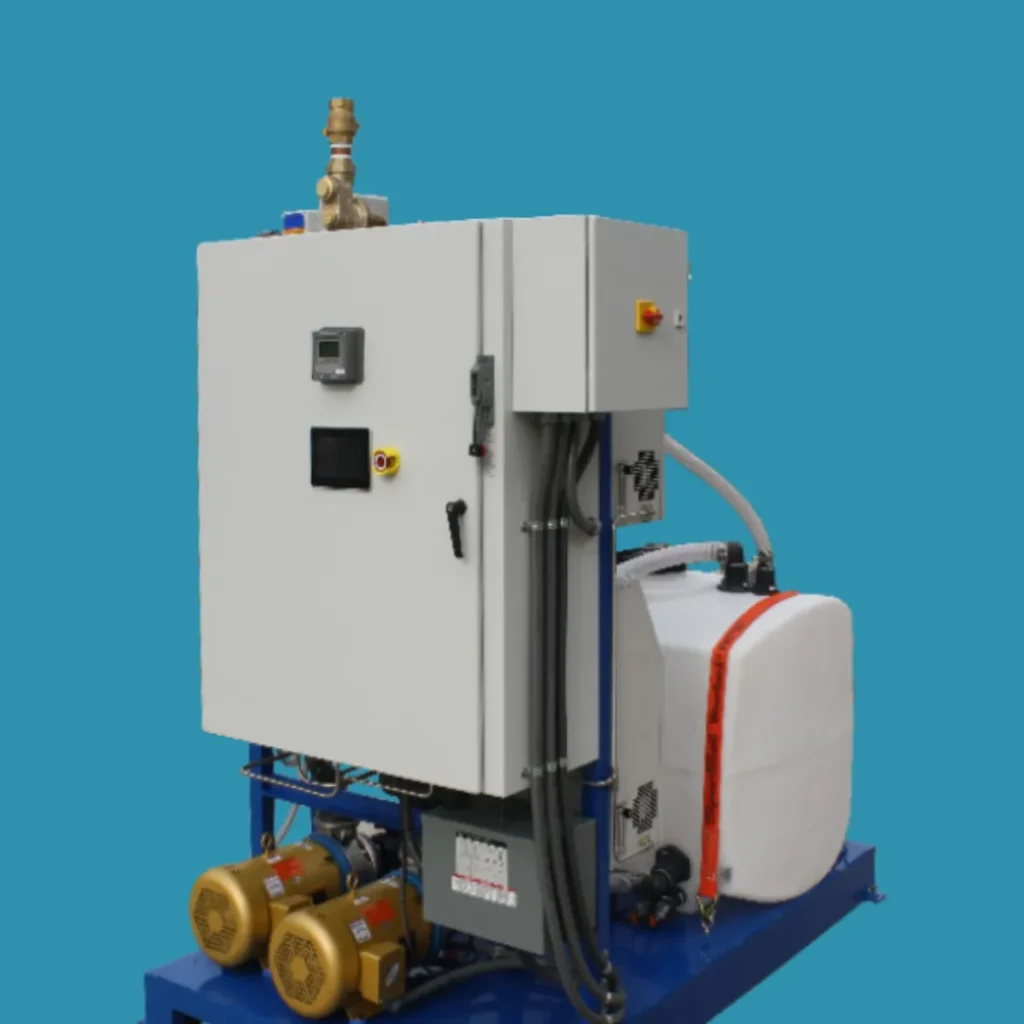
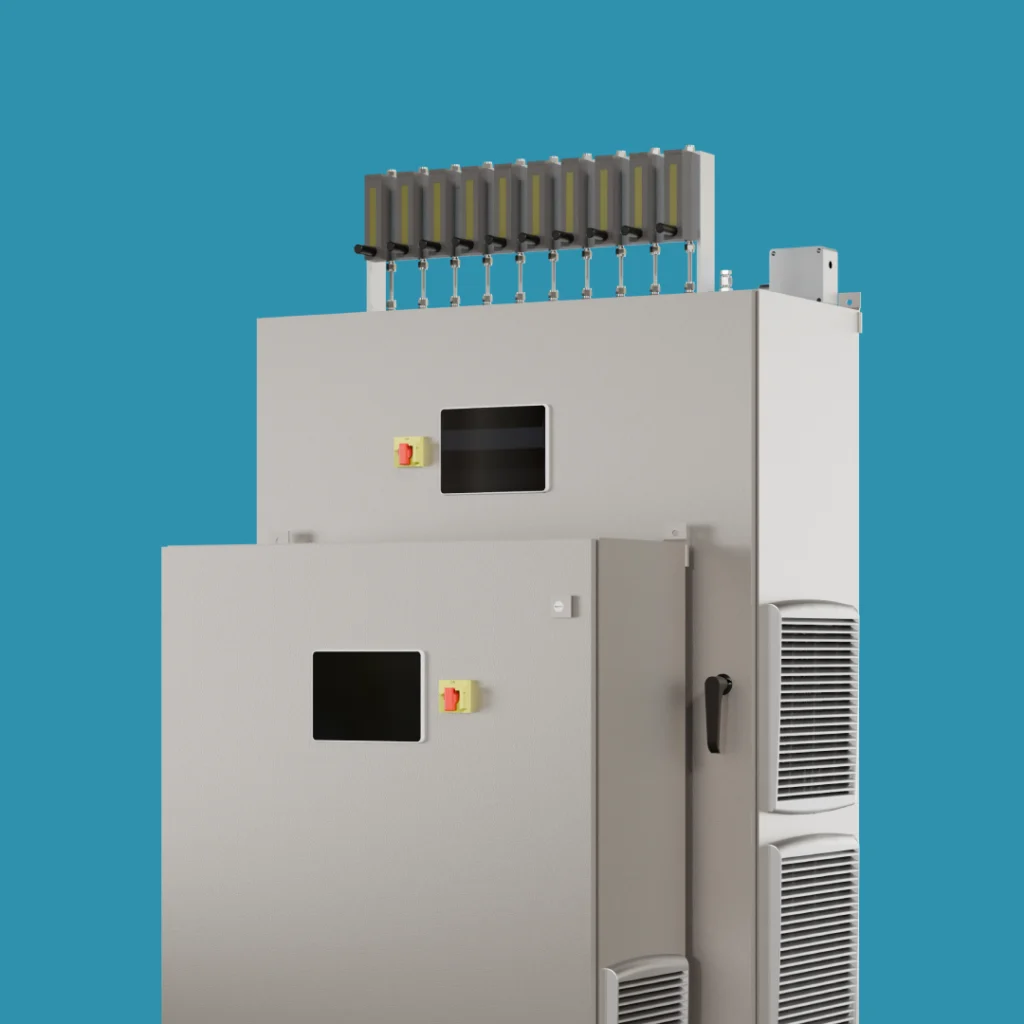
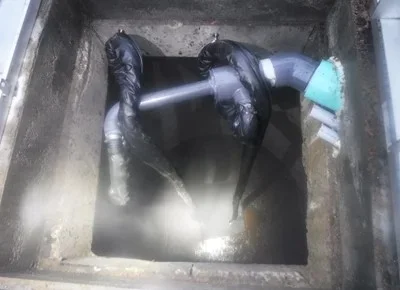
Activated carbon has long been the default solution for odor control in wastewater systems. From lift stations to headworks and force main discharge points, carbon vessels are widely used to remove hydrogen sulfide and other odor-causing compounds. However, as wastewater systems become more decentralized and operational constraints tighten, many utilities are reevaluating whether carbon-based systems are the most effective long-term solution. Vapor-phase oxidation technologies, such as those developed by GOVAPEX, offer a fundamentally different approach. Understanding the differences between these technologies is critical for engineers and operators selecting odor control strategies.
How Activated Carbon Works
Activated carbon removes odor compounds through adsorption. As contaminated air passes through the carbon bed, hydrogen sulfide and other compounds adhere to the surface of the media.
Key characteristics of carbon systems:
- Relies on media capacity
- Performance declines as media becomes saturated
- Requires periodic media replacement
- Sensitive to humidity and contaminants
Carbon does not destroy hydrogen sulfide. It stores it until the media reaches capacity, at which point breakthrough occurs.
How Vapor-Phase Oxidation Works
Vapor-phase oxidation systems operate on a different principle. Instead of capturing odor compounds, they chemically oxidize them in the airspace, converting hydrogen sulfide into non-odorous, stable compounds.
Key characteristics:
- Continuous oxidation of contaminants
- No media saturation
- No bulk chemical handling
- Consistent performance over time
This approach eliminates the need for storage-based treatment and instead focuses on real-time destruction of odor compounds.
The Fundamental Difference: Storage vs Destruction
The core difference between these technologies is simple:
- Activated carbon = storage system
- Vapor-phase oxidation = destruction system
This distinction drives nearly all operational and cost differences. Carbon systems accumulate contaminants until failure. Oxidation systems continuously eliminate them.
Performance Under Variable Conditions
Wastewater systems rarely operate under steady conditions. Hydrogen sulfide levels fluctuate based on:
- Flow variation
- Temperature
- Detention time
- Industrial loading
Carbon Performance
Carbon systems perform well under steady, predictable loading. However:
- Sudden spikes can exceed capacity
- Breakthrough can occur unexpectedly
- Performance declines as media ages
Vapor-Phase Oxidation Performance
Oxidation systems respond continuously:
- Maintain consistent treatment regardless of fluctuations
- Handle peak loading more effectively
- Do not degrade between service intervals
This makes oxidation particularly well-suited for decentralized assets and variable-flow systems.
Impact of Humidity and FOG
Wastewater environments are high in humidity and often contain oils and grease.
Carbon Systems
- Moisture occupies adsorption sites
- Reduces effective media capacity
- Can cause channeling and uneven flow
- FOG can foul media surfaces
Vapor-Phase Systems
- Designed to operate in saturated environments
- Not impacted by adsorption limitations
- Maintain performance in humid, high-FOG conditions
This is a critical advantage in lift stations, wet wells, and industrial wastewater applications.
Maintenance and Lifecycle Cost
Carbon Systems
Ongoing costs include:
- Media replacement
- Disposal of spent carbon
- Labor for changeout
- Downtime during maintenance
Costs can be unpredictable, especially when loading varies.
Vapor-Phase Oxidation
Maintenance is typically limited to:
- Routine inspection
- Minor component servicing
Because there is no consumable media, lifecycle costs are more predictable and often lower over time.
Footprint and Installation
Carbon systems often require:
- Large vessels
- Multiple units for redundancy
- Structural support
- Access for media changeout
Vapor-phase systems are typically:
- Compact
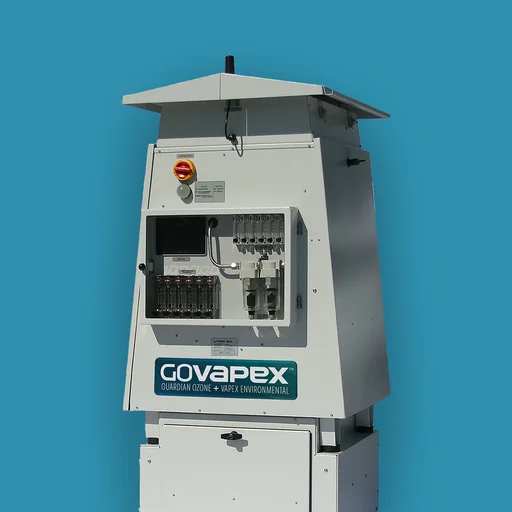
- Skid-mounted or wall-mounted
- Easier to install in tight spaces
- Well suited for retrofit applications
This is especially important in decentralized or space-constrained sites.
Safety Considerations
Carbon Systems
- Handling of spent media
- Potential for heat generation in certain conditions
- Confined space maintenance
Vapor-Phase Systems
- No chemical storage
- Reduced handling risks
- Requires standard electrical and ventilation safety practices
Field Reality: Where Carbon Still Makes Sense
Activated carbon still has a role in:
- Low, steady hydrogen sulfide concentrations
- Facilities with existing infrastructure
- Applications requiring simple, passive systems
However, as systems become more dynamic and decentralized, the limitations of carbon become more apparent.
Where Vapor-Phase Oxidation Excels
Vapor-phase oxidation is particularly effective in:
- Lift stations and wet wells
- Force main discharge points
- Remote or unmanned sites
- Systems with variable loading
- High humidity environments
These are the exact conditions where traditional systems often struggle.
Conclusion
Activated carbon has been a reliable tool for odor control, but it is inherently limited by its dependence on media capacity and susceptibility to environmental conditions.Vapor-phase oxidation represents a shift toward continuous, real-time treatment that aligns with the realities of modern wastewater systems. For utilities seeking to reduce maintenance, improve performance consistency, and adapt to decentralized infrastructure, oxidation-based systems such as VAPEX provide a compelling alternative to traditional carbon-based approaches.