
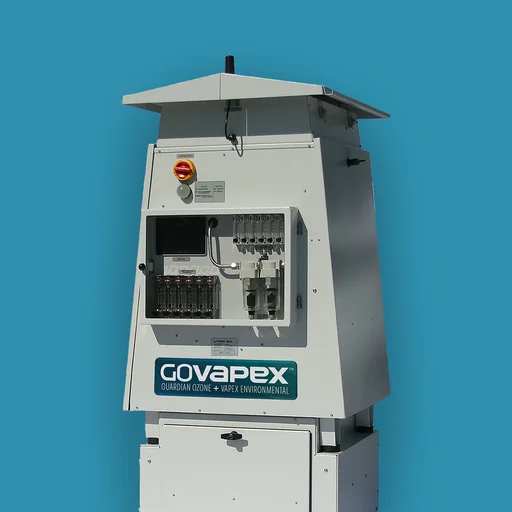
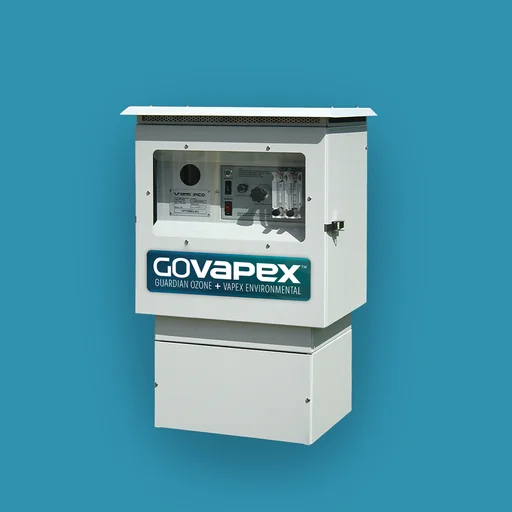
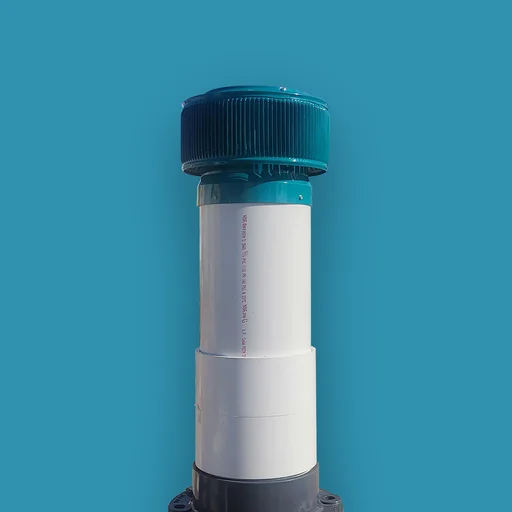
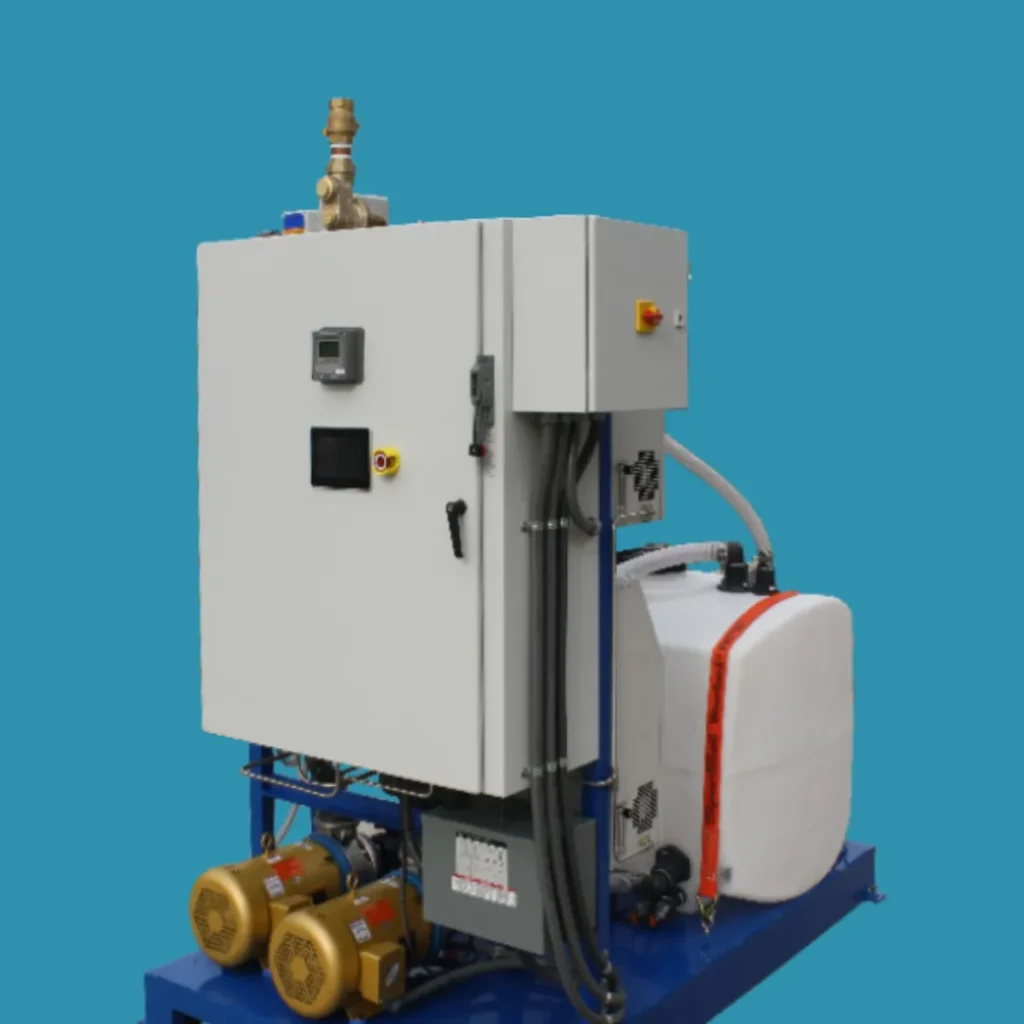
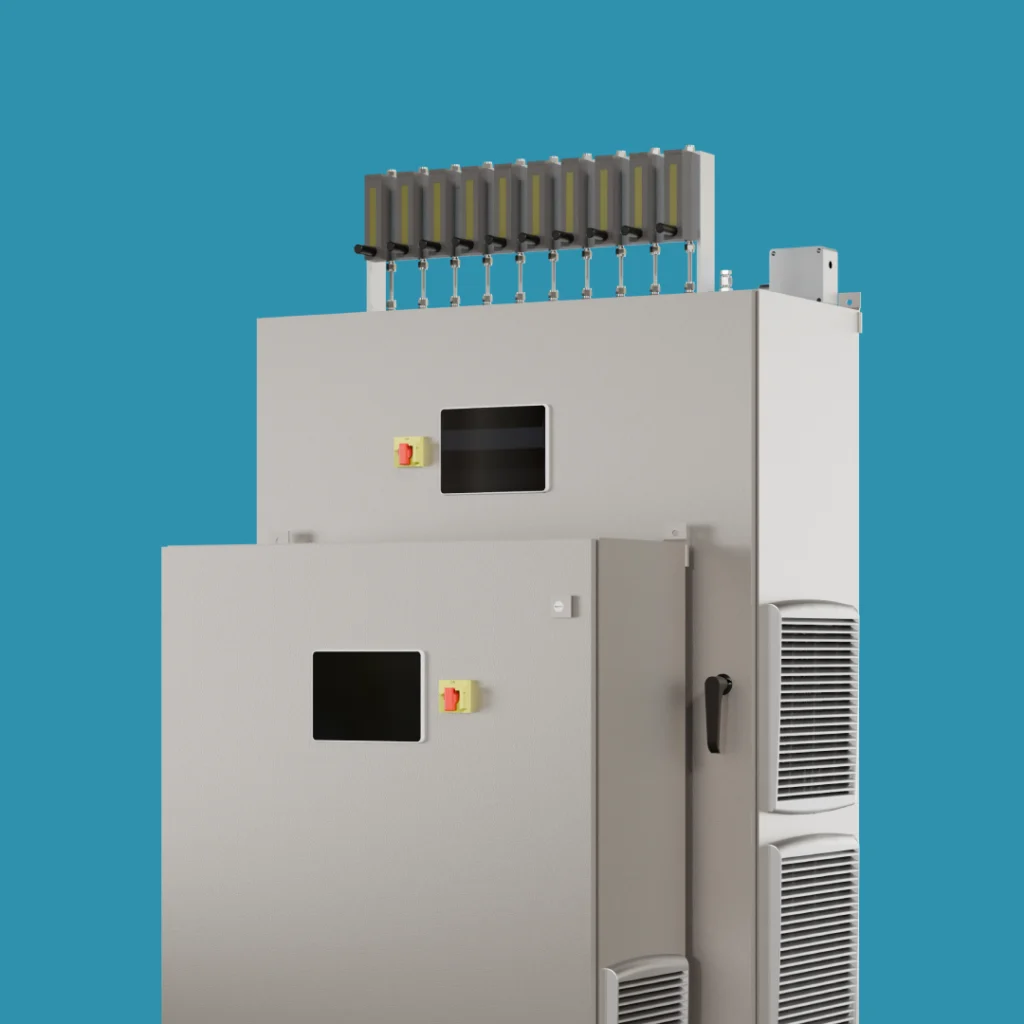
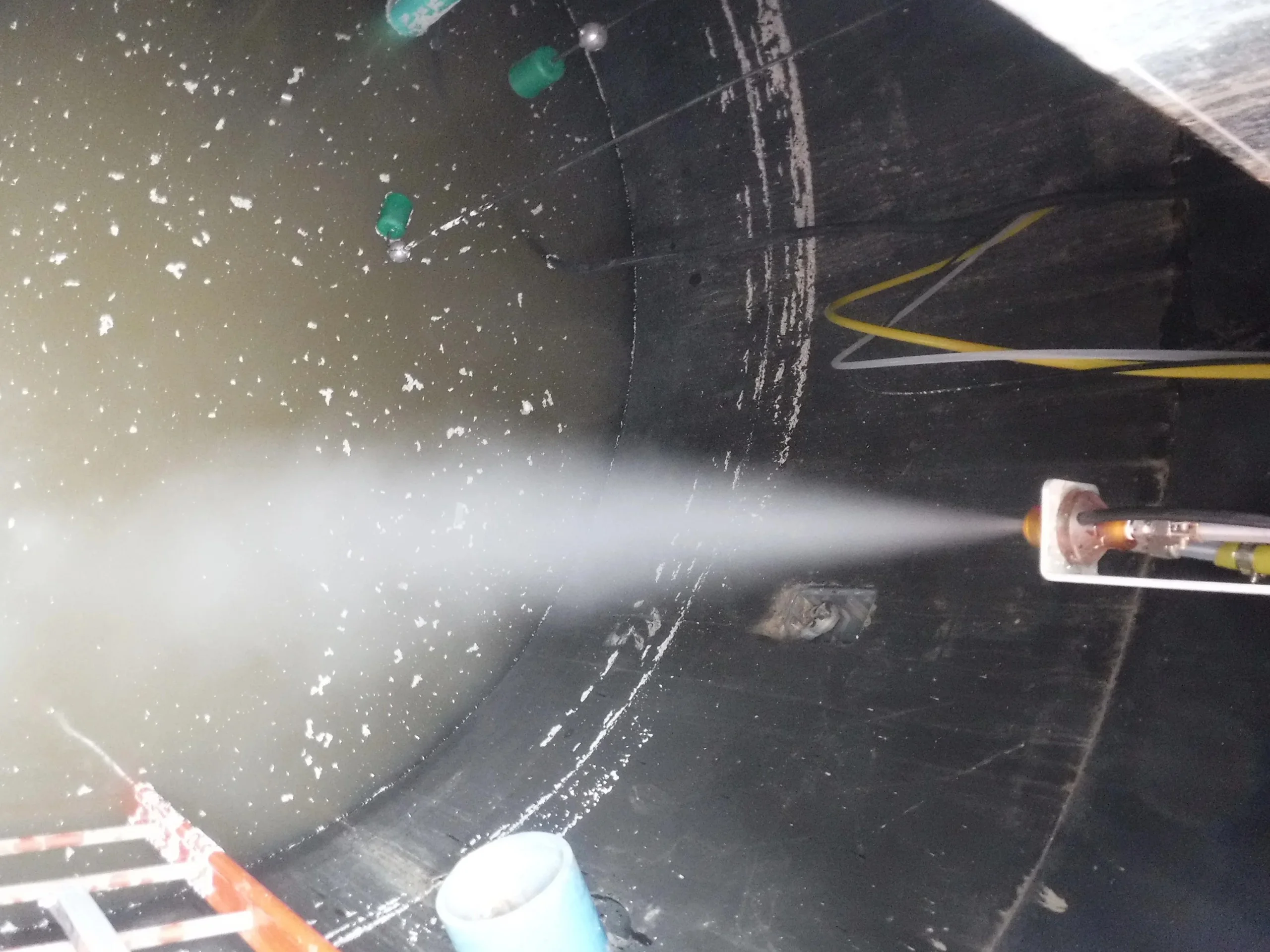
Many wastewater treatment and collection system designs are based on average or steady-state conditions. However, real-world systems rarely operate under steady-state. Instead, they are driven by transient conditions, where flow, loading, and chemistry change continuously throughout the day. These fluctuations play a major role in odor generation, hydrogen sulfide release, and odor control performance. For systems using oxidation technologies from GOVAPEX, understanding transient behavior is essential for proper sizing and consistent results.
The Reality of Diurnal Flow Patterns
Wastewater systems experience predictable daily flow variations:
- Morning peak from residential use
- Midday stabilization
- Evening peak
- Overnight low-flow conditions
During low-flow periods, wastewater spends more time in pipes and force mains, increasing detention time and allowing anaerobic conditions to develop. This is when sulfide generation accelerates.
Why Odor Peaks Occur at Unexpected Times
Operators often expect odor issues during high flow, but the opposite is frequently true. Odor spikes commonly occur:
- Early morning before peak flow dilution
- Overnight during low-flow stagnationDuring first flush after long detention periods
When flow resumes, accumulated dissolved sulfide is rapidly released as hydrogen sulfide gas, creating short-duration but high-intensity odor events.
The Problem with Designing for Average Conditions
Designing odor control systems based on average hydrogen sulfide concentrations can lead to:
- Undersized systems that fail during peak events
- Overreliance on media capacity (carbon systems)
- Inconsistent performance and breakthrough events
Transient spikes, not averages, define system performance requirements.
Transient Loading in Force Mains
Force mains are particularly prone to transient behavior:
- Variable pumping cycles
- Changing detention times
- Pressure fluctuations
- Intermittent discharge events
During pumping events, turbulence strips dissolved sulfide into the airspace at discharge structures, creating concentrated odor releases. This is why odor problems are often localized at:
- Force main discharge points
- Lift station wet wells
- Downstream manholes
Why Some Odor Control Systems Struggle
Technologies that rely on capacity or buffering struggle with transient conditions:
Carbon systems
- Saturate during peak loading
- Provide inconsistent performance
Chemical dosing
- Often set at fixed rates
- Cannot respond quickly to changing conditions
These approaches are reactive and do not adapt well to dynamic systems.
Continuous Oxidation as a Solution
Continuous oxidation systems provide a different approach. Instead of reacting to peaks, they operate continuously, maintaining low hydrogen sulfide concentrations regardless of fluctuations.
Benefits include:
- Stable performance across variable loading
- Immediate response to sulfide release
- No reliance on storage or buffering capacity
- Reduced risk of breakthrough events
This makes them particularly effective in decentralized and variable-flow systems.
Engineering Approach to Transient Systems
To design for transient conditions, engineers should:
- Evaluate diurnal flow patterns
- Measure hydrogen sulfide over time, not just spot readings
- Identify peak generation periods
- Size systems based on worst-case conditions
- Consider air-phase treatment strategies
This approach ensures consistent performance rather than average performance.
Field Insight
In many systems, hydrogen sulfide may average 5–10 ppmv, but peak events can exceed 50–100 ppmv during transient conditions. Systems designed for average conditions will fail during these peaks, leading to odor complaints and corrosion risk.
Conclusion
Wastewater systems are dynamic, not steady-state. Odor generation, sulfide release, and system performance are all driven by transient conditions that change throughout the day. Designing odor control systems without accounting for these fluctuations leads to inconsistent results and higher long-term costs. By understanding and designing for transient behavior, utilities can achieve more reliable odor control, better infrastructure protection, and improved operational performance.