

Secondary and tertiary treatment processes remove most contaminants from wastewater, but trace organics, color, and emerging pollutants often remain. This “last mile” of cleanup, known as wastewater polishing, is increasingly essential for discharge and reuse compliance. GOVAPEX ozone systems provide a proven, chemical-free method to achieve advanced oxidation polishing efficiently and reliably.
The Function of Ozone in Polishing
After biological treatment, residual organics (COD 10–40 mg/L) and color-causing compounds persist. Ozone reacts with these molecules through direct electron transfer or radical-mediated oxidation, converting them into carbon dioxide and water. Hydroxyl radicals formed during ozone decay further enhance breakdown of refractory organics such as pharmaceuticals, phenols, and surfactants.
Additionally, ozone improves UV transmittance and reduces fouling in downstream filtration and UV systems, boosting overall plant performance.
GOVAPEX System Configuration
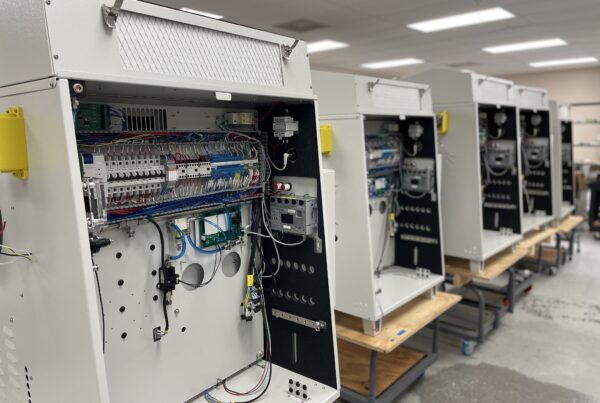
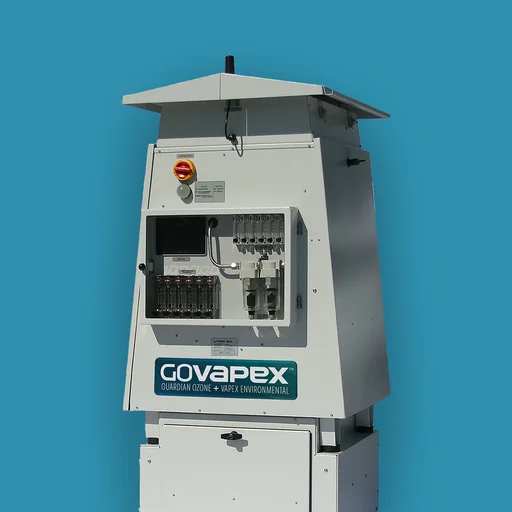
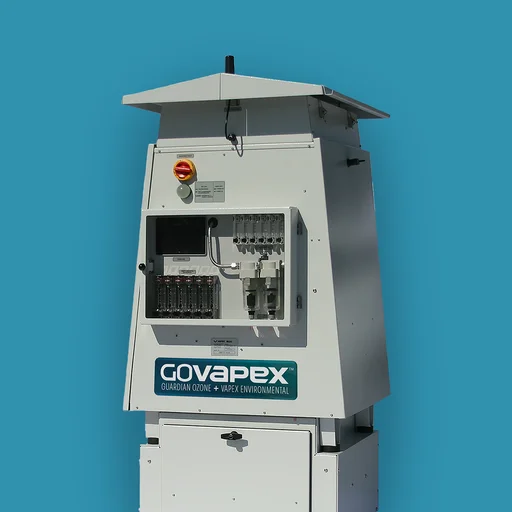
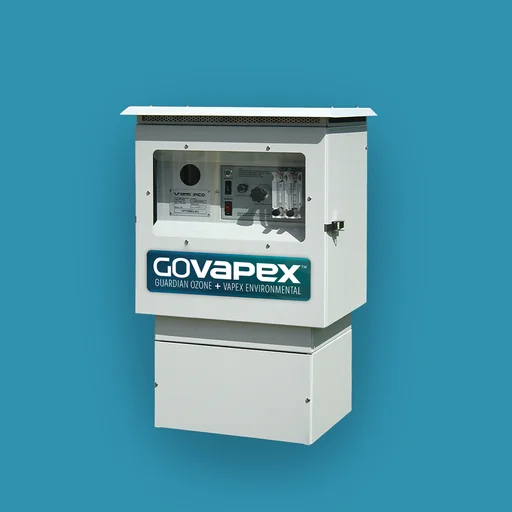
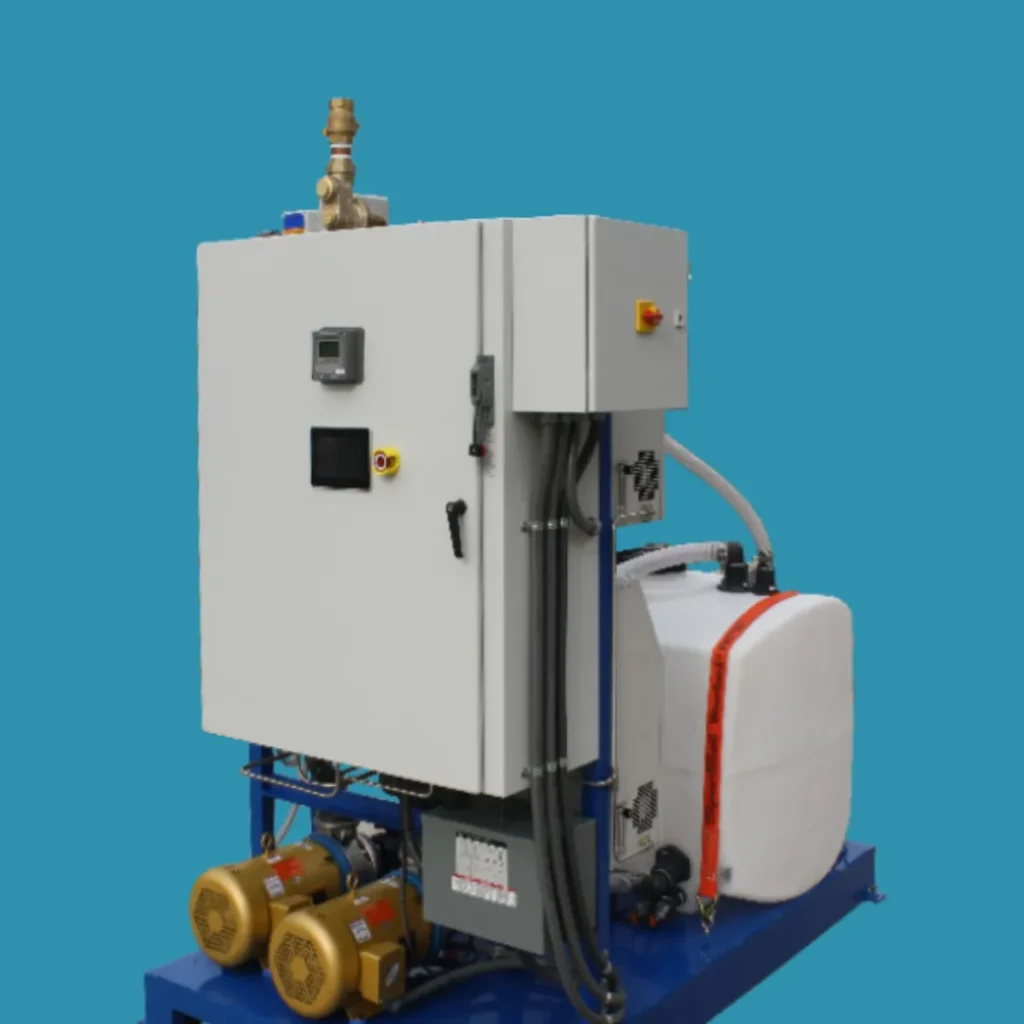
GOVAPEX polishing skids are compact, air-cooled, and fully integrated with contact tanks or venturi injection manifolds. They maintain dissolved ozone levels between 0.5–5.0 mg/L depending on target parameters. Off-gas destruct units ensure worker safety by converting unused ozone back to oxygen.
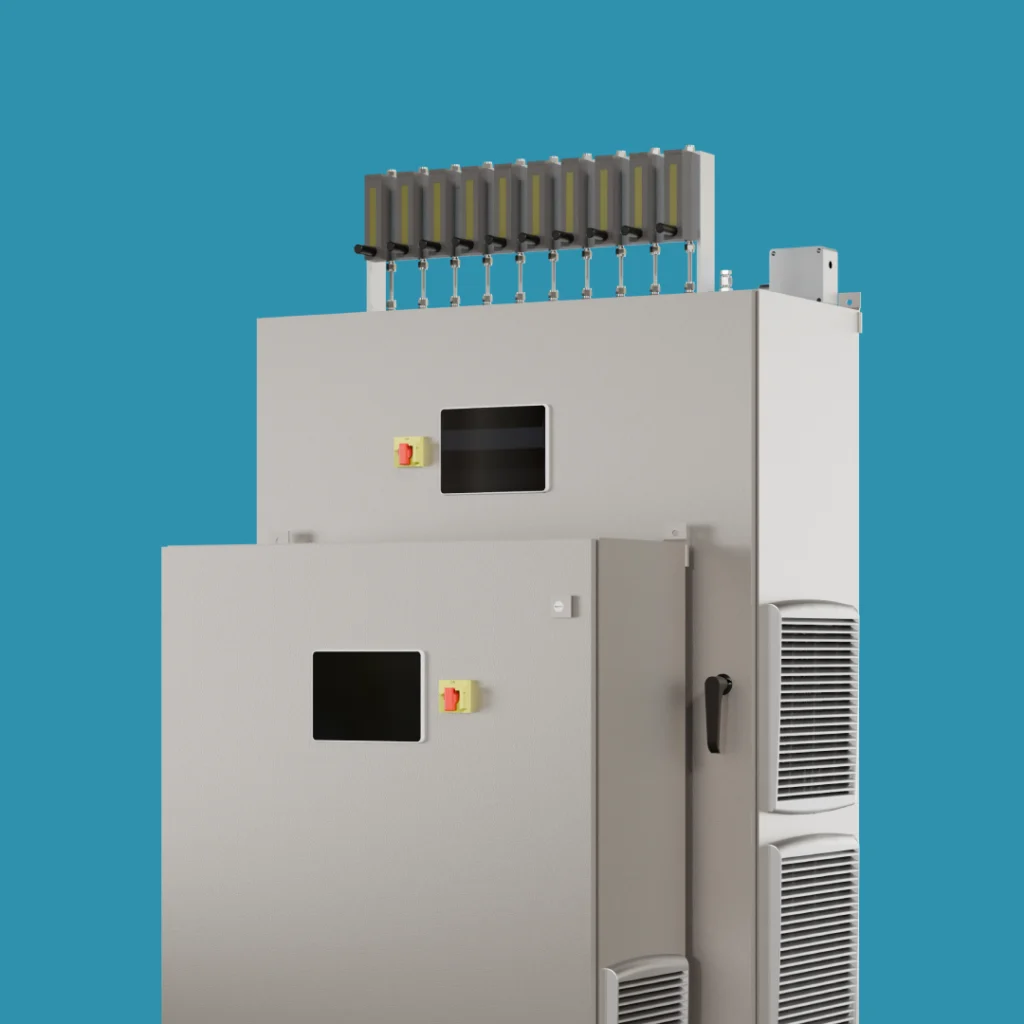
Each system includes PLC-based automation for DO₃ and ORP monitoring, ensuring consistent oxidation without overdosing.
Case Study: Florida Coastal Reuse Facility
A 2.5 MGD advanced wastewater treatment facility along the Gulf Coast added a GOVAPEX 300 g/hr polishing unit in 2024 before its sand filtration stage. The goal was to reduce residual COD and improve water clarity for reuse irrigation.
| Parameter | Before Ozone | After GOVAPEX Polishing |
| COD | 32 mg/L | 19 mg/L |
| Color (Pt-Co) | 38 | 7 |
| UV Transmittance | 63% | 87% |
| Odor | Noticeable | Non-detect |
| Energy Cost | — | $0.025/m3 treated |
The plant achieved consistent reuse compliance while reporting 22% energy savings due to reduced UV lamp power requirements.
Engineering and Chemical Mechanisms
Ozone reacts with dissolved organic matter via multiple pathways:
- Direct molecular oxidation: Cleavage of double bonds and aromatic rings.
- Radical chain reactions: Formation of hydroxyl radicals through self-decomposition.
- Coagulation enhancement: Oxidation alters colloid charge, improving filterability.
GOVAPEX designs its systems for optimal mass transfer efficiency, typically achieving >90% ozone utilization. The result is high oxidation yield with minimal waste.
Sustainability Impact
By replacing chlorine-based polishing or activated carbon adsorption, ozone reduces secondary waste generation. Spent carbon disposal and chemical handling are eliminated, and ozone decomposes naturally. Utilities adopting ozone polishing report better environmental performance and reduced operator exposure.
Conclusion
Polishing with ozone is now considered a best practice for advanced wastewater treatment. GOVAPEX enables this with engineered reliability, precise control, and proven energy efficiency. For facilities seeking to close the loop on water reuse and discharge quality, ozone provides a clean finish, literally and operationally.
- U.S. EPA (2012). Guidelines for Water Reuse.
- Von Gunten, U. (2003). Water Research, 37(7): 1443–1467.
- Water Environment Federation (2017). MOP 25.