
Chemical scrubbers have been a standard approach for odor control in wastewater treatment for decades. Designed to remove hydrogen sulfide and other odorous compounds from air streams, scrubbers are commonly used at headworks, large pump stations, and enclosed process areas.
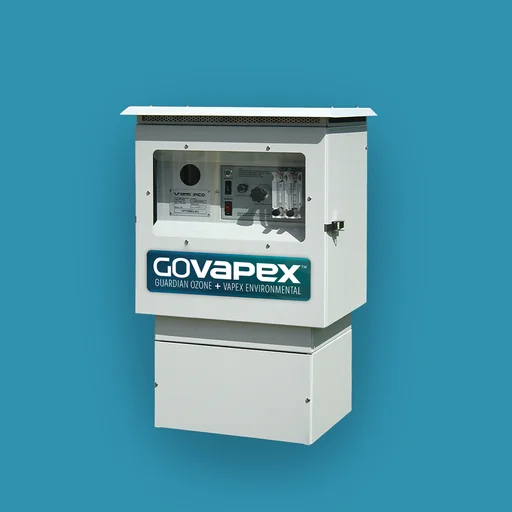
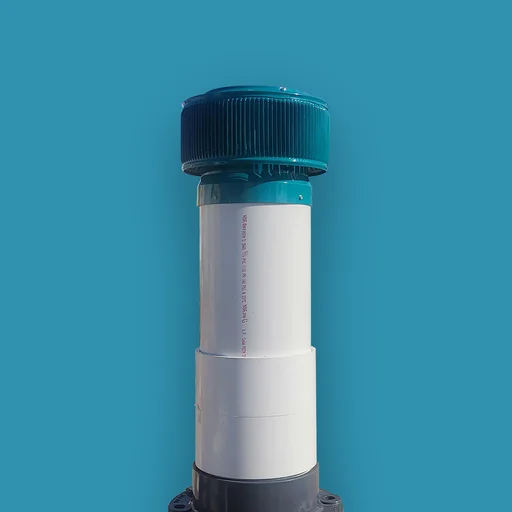
However, as wastewater infrastructure becomes more decentralized and operational expectations evolve, many utilities are reevaluating whether chemical scrubbers are the best fit for all applications. Vapor-phase oxidation systems, such as those developed by GOVAPEX, offer a different approach that aligns more closely with modern system requirements.
This article compares these technologies from an engineering and operational perspective.
How Chemical Scrubbers Work
Chemical scrubbers remove odor compounds by transferring them from the air phase into a liquid phase, where they react with chemical solutions.
Typical scrubber configurations include:
- Packed towers with high surface area media
- Caustic (NaOH) for hydrogen sulfide absorption
- Oxidants such as sodium hypochlorite (NaOCl) for chemical conversion
- Acid stages for ammonia removal in multi-stage systems
The process relies on mass transfer from gas to liquid, followed by chemical reaction.
How Vapor-Phase Oxidation Works
Vapor-phase oxidation systems operate directly in the airspace. Instead of transferring contaminants into another phase, they oxidize odor compounds in place.
Key features:
- Oxidation of hydrogen sulfide and reduced sulfur compounds
- Continuous treatment of airspace
- No liquid chemicals or recirculation systems
- No phase transfer step
This simplifies the treatment process and reduces system complexity.
System Complexity and Infrastructure
Chemical Scrubbers
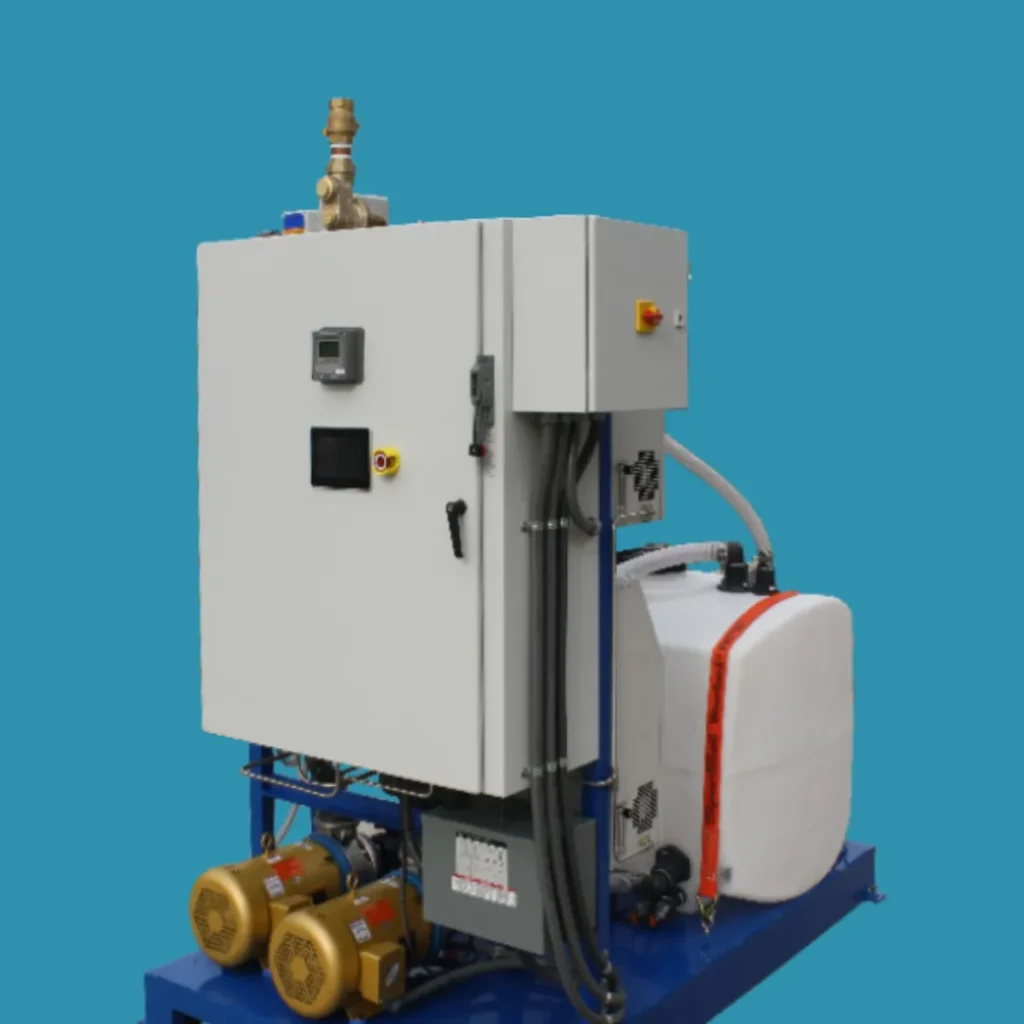
Scrubber systems are engineered systems that require:
- Recirculation pumps
- Chemical storage tanks
- Dosing systems
- Instrumentation for pH and ORP control
- Mist eliminators and packing media
They also require structural support and footprint allocation, especially for vertical towers.
Vapor-Phase Systems
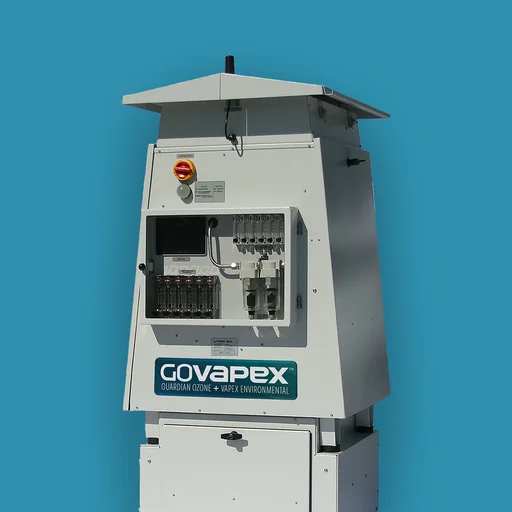
Vapor-phase oxidation systems are typically:
- Compact and skid-mounted
- Installed directly at the odor source
- Minimal piping and infrastructure
- No liquid handling systems
This makes them easier to deploy, especially in retrofit or decentralized environments.
Chemical Consumption and Handling
Scrubbers
Scrubbers depend on continuous chemical consumption:
- Caustic for absorption
- Oxidants for reaction
- Acid for multi-stage systems
This requires:
- Ongoing chemical procurement
- Storage and handling protocols
- Safety training and compliance
Chemical costs can fluctuate and represent a significant portion of lifecycle cost.
Vapor-Phase Oxidation
Vapor-phase systems:
- Do not require bulk chemical storage
- Generate oxidants within the system
- Eliminate chemical delivery logistics
This reduces operational burden and safety concerns.
Performance Under Variable Conditions
Wastewater systems are inherently variable, with fluctuating hydrogen sulfide concentrations.
Scrubber Performance
Scrubbers are effective when:
- Airflow is consistent
- Loading is predictable
- Chemical dosing is properly maintained
However:
- Sudden spikes can overwhelm the system
- Poor tuning leads to reduced efficiency
- Performance depends heavily on operator attention
Vapor-Phase Performance
Vapor-phase systems:
- Operate continuously
- Respond immediately to changes in loading
- Maintain consistent performance across variable conditions
This is particularly valuable in lift stations and force main discharge points.
Maintenance Requirements
Scrubbers
Maintenance includes:
- Chemical replenishment
- Pump and instrumentation upkeep
- Packing replacement
- Scale and fouling management
Scrubbers can become maintenance-intensive over time, especially in harsh environments.
Vapor-Phase Systems
Maintenance is typically limited to:
- Periodic inspection
- Routine component checks
With fewer moving parts and no liquid recirculation, maintenance demands are significantly reduced.
Footprint and Installation Constraints
Scrubbers
- Large vertical or horizontal footprint
- Require structural support
- Often centralized systems
- Less flexible for small or remote sites
Vapor-Phase Systems
- Compact footprint
- Easily installed at point sources
- Ideal for decentralized assets
- Minimal site modification required
This makes vapor-phase systems well suited for modern collection systems with distributed infrastructure.
Cost Considerations
Capital Cost
- Scrubbers may have higher upfront installation costs due to size and complexity
- Vapor-phase systems are typically lower cost for small to mid-scale applications
Operating Cost
Scrubbers:
- Ongoing chemical costs
- Labor and maintenance
- Disposal considerations
Vapor-phase systems:
- Primarily electrical cost
- Lower maintenance
- Predictable operating expenses
Over time, many facilities find that oxidation systems offer lower total cost of ownership.
Where Each Technology Fits
Chemical Scrubbers Are Best Suited For:
- Large centralized facilities
- High, steady airflow systems
- Applications requiring multi-contaminant removal
Vapor-Phase Oxidation Excels In:
- Lift stations and wet wells
- Force main discharge points
- Decentralized systems
- Variable loading environments
- Sites with limited footprint
Conclusion
Chemical scrubbers have long been a proven solution for odor control, particularly in large, centralized applications. However, they come with complexity, chemical dependency, and maintenance requirements that may not align with today’s decentralized wastewater systems.
Vapor-phase oxidation represents a simpler, more adaptable approach. By treating odor compounds directly in the airspace, these systems eliminate the need for chemical handling and provide consistent performance under variable conditions.
For many modern wastewater applications, particularly smaller or distributed assets, systems like VAPEX offer a practical and efficient alternative to traditional scrubber technology.