
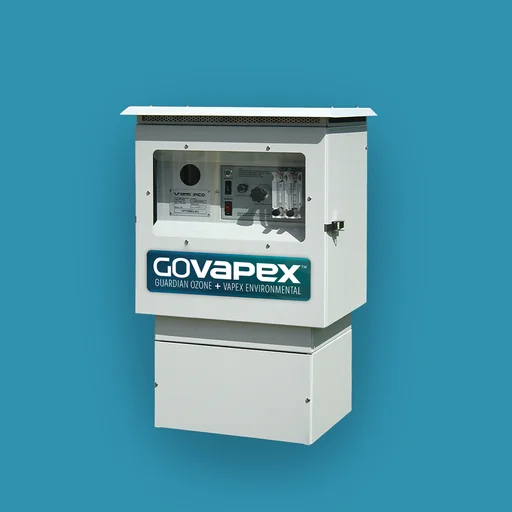

Water treatment technologies are evolving rapidly as municipalities and industrial facilities seek solutions that balance public health protection, environmental responsibility, and operational efficiency. Ozone has re-emerged as a cornerstone of this transition. Recognized by the U.S. Environmental Protection Agency (EPA) as a primary disinfectant since 1982, ozone provides broad-spectrum oxidation and pathogen inactivation without generating harmful chlorinated byproducts. GOVAPEX ozone systems make this powerful chemistry accessible and reliable for modern water and wastewater operations through air-cooled design, precise control, and low-maintenance engineering.
Why Ozone Matters
Ozone (O3) is a triatomic form of oxygen with an oxidation potential of 2.07 volts, higher than chlorine (1.36 V) and chlorine dioxide (1.57 V). This high oxidation strength allows ozone to attack bacteria, viruses, protozoa, and a wide range of organic compounds through two complementary mechanisms:
- Direct oxidation, Ozone reacts directly with compounds such as phenols, sulfides, and iron, breaking chemical bonds and producing smaller, less reactive molecules.
- Indirect oxidation, In water, ozone decomposes into hydroxyl radicals (•OH), which react even faster and more non-selectively than ozone itself.
This combination of direct and radical-driven oxidation underpins ozone’s ability to disinfect and oxidize pollutants simultaneously.
Ozone vs. Traditional Disinfection
Chlorine remains the most common disinfectant globally, but its drawbacks are well established: formation of trihalomethanes (THMs), haloacetic acids (HAAs), and other regulated disinfection byproducts. These compounds are known carcinogens and subject to strict regulatory limits under the Safe Drinking Water Act. Ozone, by contrast, leaves no chemical residuals and produces only oxygen as a byproduct.
The comparison between the two oxidants is summarized below:
| Parameter | Ozone | Chlorine |
| Oxidation potential (V) | 2.07 | 1.36 |
| Reaction speed | Instantaneous | Moderate |
| Disinfection byproducts | None (O2) | THMs, HAAs |
| Residual control | Decomposes naturally | Requires dechlorination |
| Material compatibility | Excellent with stainless steel, PVC, PTFE | Corrosive to metals |
| Safety/handling | Generated on-site, no transport | Bulk chemical storage required |
Ozone’s advantages become particularly clear when viewed through the lens of sustainability and lifecycle cost. No chemicals are stored, transported, or disposed of, and operational oversight is reduced to routine inspection.
Engineering Design: The GOVAPEX Approach
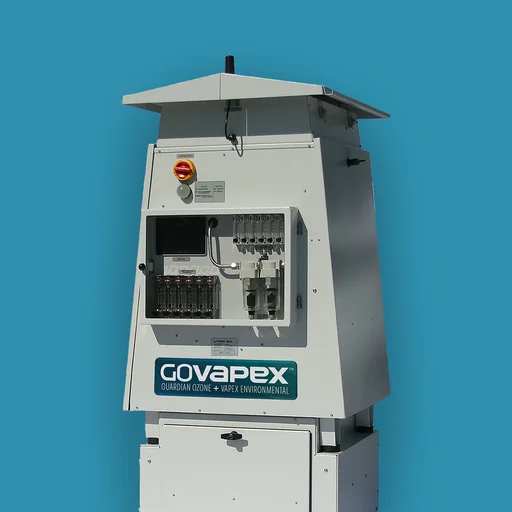
GOVAPEX systems use corona discharge technology to generate ozone from ambient air. Air is first dried and filtered, then passed through a high-voltage discharge gap that splits oxygen molecules (O2) into atomic oxygen, which recombines as ozone (O3). The system then dissolves ozone into water via venturi injection or fine-bubble diffusion, depending on process design.
Key engineering attributes include:
- Air-cooled generators: Eliminate water loops, reducing complexity and maintenance.
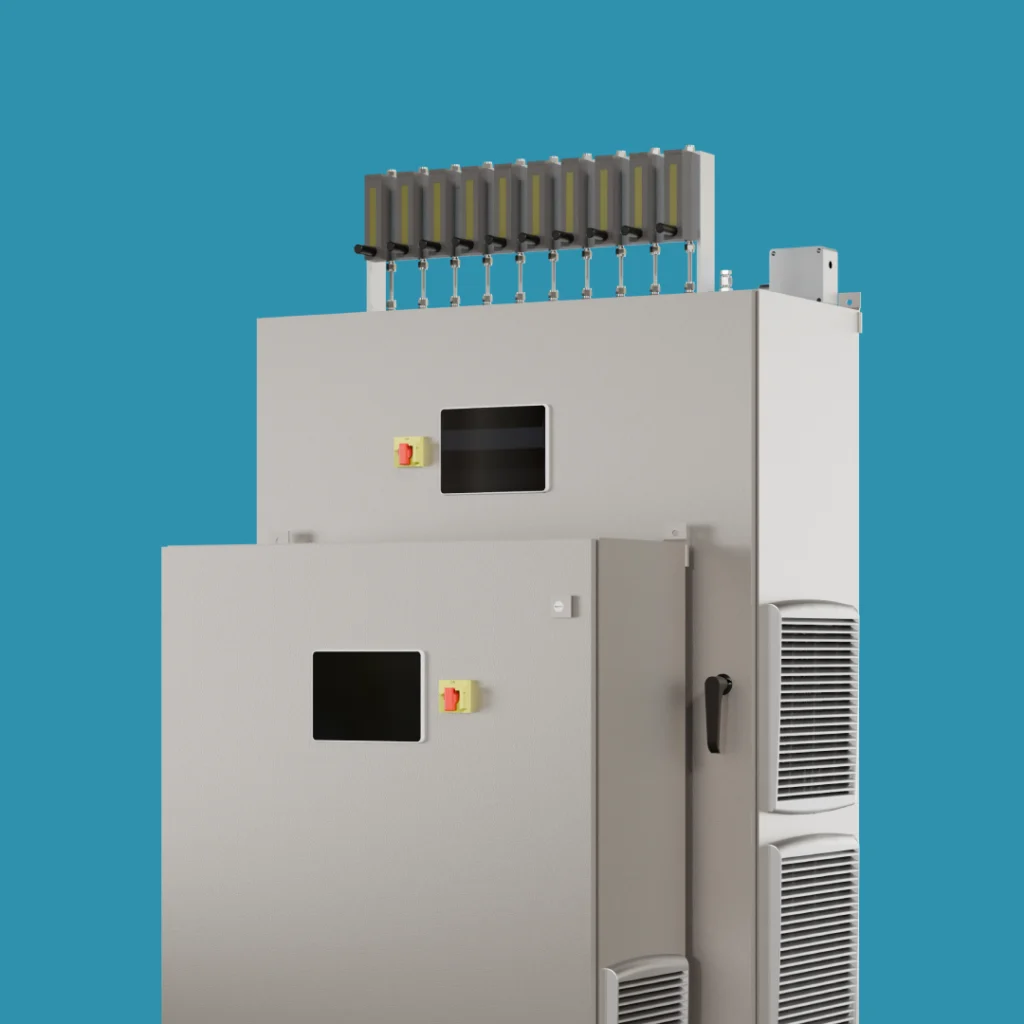
- PLC-based control: Maintains constant ozone output and safety interlocks.
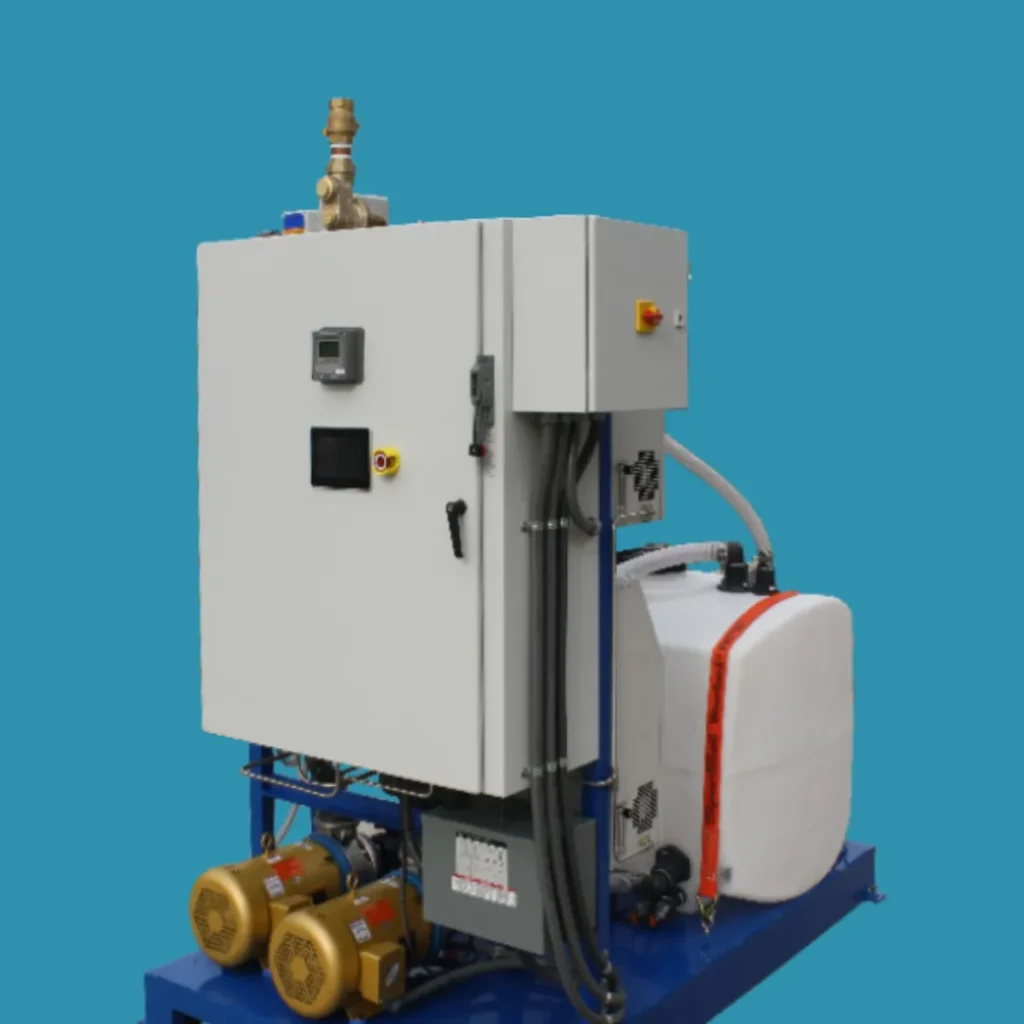
- Compact footprint: Skid-mounted systems range from 20–300 g/hr output.
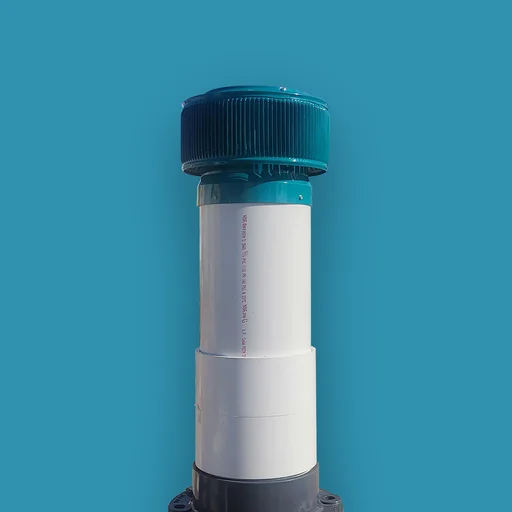
- Safety features: Off-gas destructors convert residual ozone to oxygen before venting.
Each system is designed to integrate with existing plant controls, providing dissolved ozone or oxidation-reduction potential (ORP) feedback for real-time process optimization.
Case Example: Municipal Water Reuse
A 1.5 MGD Florida water reuse facility faced escalating costs from chlorine and bisulfite handling. After retrofitting a GOVAPEX 250 g/hr ozone system in 2024, the plant achieved equivalent disinfection while eliminating chemical deliveries and dechlorination steps.
Performance data collected over six months showed:
| Parameter | Pre-GOVAPEX (Chlorine) | Post-GOVAPEX (Ozone) |
| Disinfection efficiency | 2-log virus reduction | 3-log virus reduction |
| THM concentration | 72 µg/L | Non-detect (<1 µg/L) |
| Chemical deliveries/month | 6 | 0 |
| OPEX savings | — | 42% reduction |
| Operator maintenance time | 12 hrs/mo | < 1 hr/mo |
Operators reported improved safety, no odor, and smoother integration.
Industrial Water and Cooling Applications
Ozone also serves as a high-performance oxidant in industrial cooling systems, where biofilm and scaling present persistent challenges. Because ozone destroys organic biofilm while converting iron and manganese into filterable oxides, it reduces both biological growth and corrosion potential. GOVAPEX air-cooled systems have been installed in multiple food and beverage plants for cooling water and rinse applications, replacing chlorine and bromine while maintaining microbial control.
Regulatory Alignment and Environmental Benefits
Ozone is approved for potable water under EPA and NSF/ANSI Standard 60. Its rapid decomposition means no chemical residuals enter downstream processes or effluent discharges. For wastewater reuse, ozone satisfies disinfection requirements in states such as California, Florida, and Texas without dechlorination, simplifying compliance with Title 22 and FDEP standards.
From an environmental standpoint, GOVAPEX ozone systems contribute to lower carbon emissions by removing the need for chemical transport and reducing waste disposal. Power consumption is typically less than 1.5 kWh per pound of ozone produced, making the systems efficient even for continuous operation.
System Integration and Maintenance
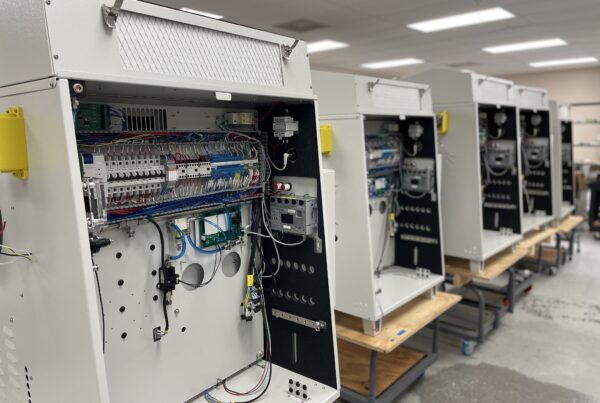
Each GOVAPEX skid is factory-tested and delivered ready for connection to plant utilities. Installation time averages less than two days, with commissioning performed by a certified technician. Routine maintenance includes visual checks, filter replacement every six months, and occasional air-dryer service. No chemical cleaning or confined-space entry is required.
Conclusion
Ozone represents the modern standard for disinfection and oxidation, powerful, sustainable, and safe. GOVAPEX brings this chemistry to practical application through reliable engineering, automation, and field support. Whether applied to municipal reuse or industrial water, ozone provides measurable improvements in performance, safety, and lifecycle cost, setting a new benchmark for modern oxidation systems.
- U.S. EPA (1999). Ozone Applications for Municipal Wastewater Disinfection, EPA 832-F-99-063.
- Von Gunten, U. (2003). Ozonation of Drinking Water: Part I – Oxidation Kinetics and Product Formation, Water Research, 37(7), 1443–1467.
- Water Environment Federation (2017). Odor Control in Wastewater Treatment Plants, MOP 25.