
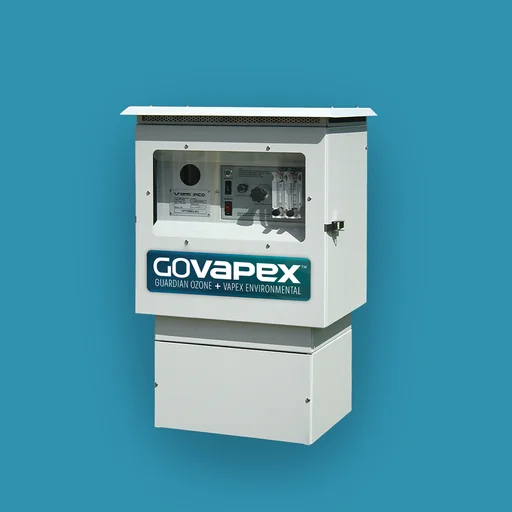
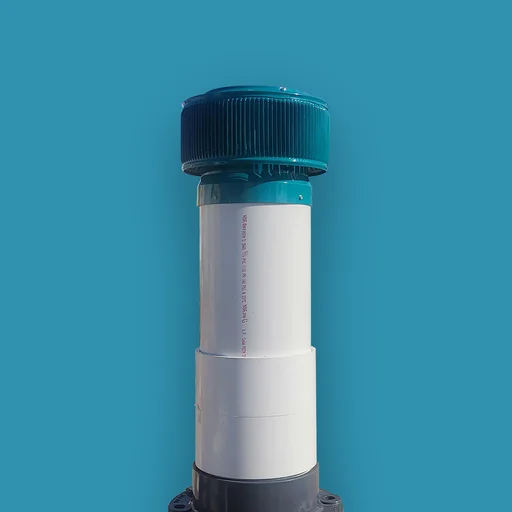
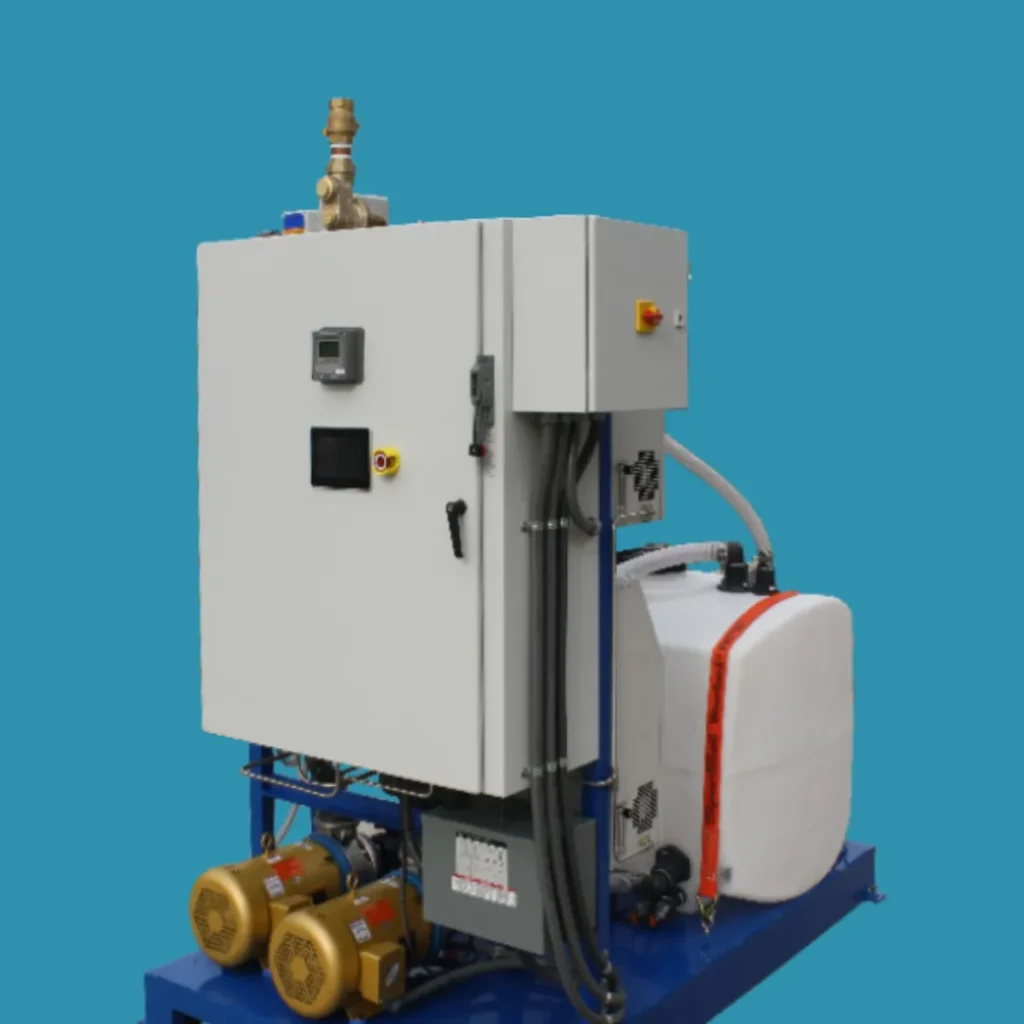
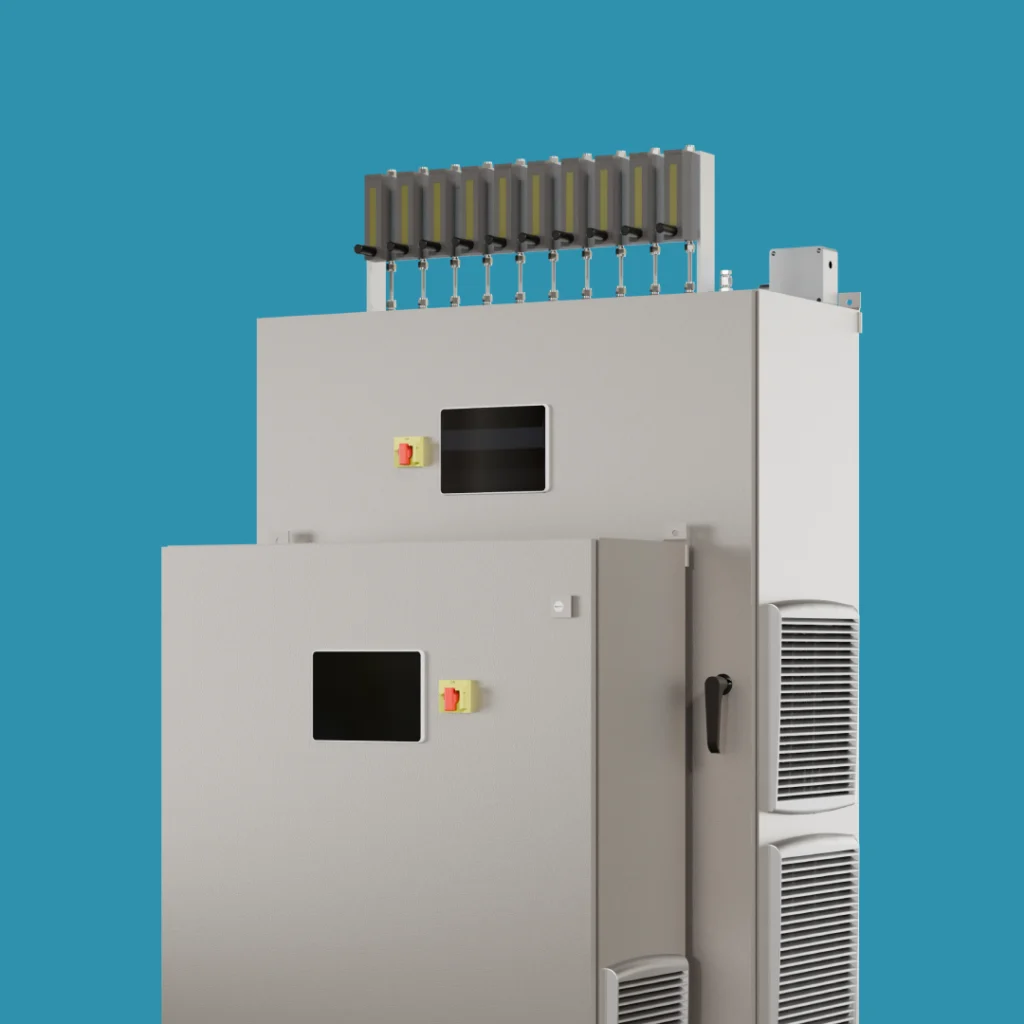

At budget meetings, odor control often ranks low on capital priorities. However, the operational cost of maintaining outdated systems can be significant. GOVAPEX has helped municipalities quantify these hidden costs, revealing that chemical scrubbers and carbon systems often cost more to operate over ten years than replacing them with vapor-phase oxidation systems.
Understanding True Lifecycle Cost
Traditional cost evaluations focus on purchase and installation. For odor control, the real expenses accumulate over time in media, chemicals, maintenance, and labor. According to EPA data, wet scrubbers and carbon systems can represent up to 10 percent of a small wastewater facility’s annual O&M budget.
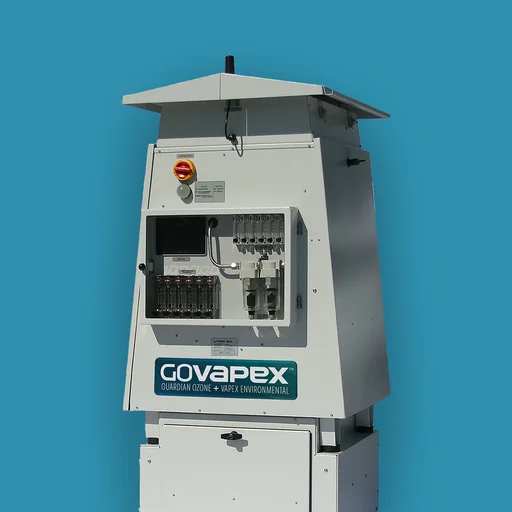
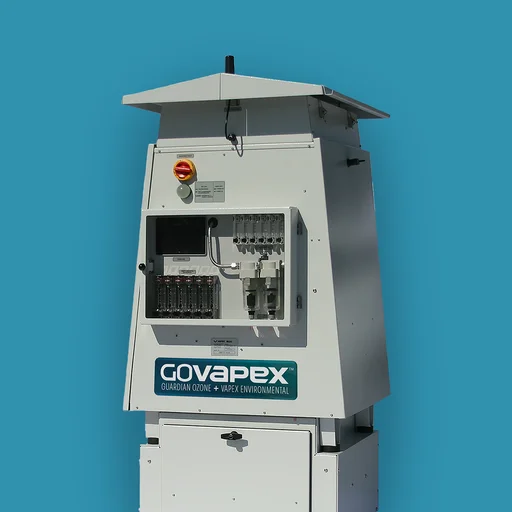
GOVAPEX systems avoid these ongoing costs because they use no consumables. Air and water are converted on-site into oxidants that regenerate continuously, and energy usage remains low due to air-cooled design efficiency.
Quantifying the Hidden Costs
- Chemicals: A 1,000-cfm chemical scrubber typically consumes 3,000–5,000 gallons of caustic and bleach annually.
- Carbon Media: Replacement every 6–12 months can cost $10,000–$20,000, excluding disposal.
- Labor: Operators spend 100–200 hours per year handling media, deliveries, and cleaning.
- Safety and Compliance: Annual training, PPE, and chemical reporting add administrative burden.
Comparative Cost Example
In a recent Florida installation, a wastewater utility replaced two parallel chemical scrubbers with GOVAPEX vapor-phase units. Over the first year, operating costs dropped from $19,600 to $2,100, driven primarily by elimination of chemical purchases and reduced labor. Payback occurred in less than 18 months.
Beyond Cost: Risk Reduction and Sustainability
Chemical scrubbers require bulk storage of hazardous substances that pose spill and exposure risks. Activated carbon systems require confined-space entry for media changes. GOVAPEX eliminates these hazards, aligning with OSHA safety principles and supporting sustainability objectives by removing chemical transport and waste generation.
Engineering Recommendation
When selecting odor control technologies, engineers should perform a full lifecycle analysis including reagent costs, maintenance time, and operator exposure. For small to mid-size odor control zones, GOVAPEX consistently demonstrates lower total cost of ownership, improved safety, and measurable odor elimination performance.
References
- U.S. EPA (2003). Control of Odors and Emissions from Wastewater Treatment Plants, EPA/625/R-03/009.
- Water Environment Federation (2017). Odor Control in Wastewater Treatment Plants, MOP 25.
- OSHA (2023). Confined Spaces Standard, 29 CFR 1910.146.