

As water reuse expands across the United States, utilities face increasing regulatory pressure to ensure disinfection reliability while minimizing operational cost and chemical dependency. Ozone offers one of the most effective disinfection pathways available, but its implementation method determines whether a project succeeds technically and financially. Side-stream disinfection, a design strategy championed by GOVAPEX, enables municipalities to achieve high microbial reduction at a fraction of the cost of full-flow systems.
The Concept of Side-Stream Ozonation
Traditional ozone systems treat the entire process flow. While this ensures uniform oxidation, it also demands large contactors, high ozone production rates, and elevated capital expense. In side-stream configurations, only a portion of the flow, typically 5–20%, is diverted through an ozone contact loop, where ozone is dissolved at high concentration. The ozonated stream then blends back with the main flow, distributing oxidation potential across the entire effluent.
This approach multiplies ozone’s efficiency because the side-stream water achieves near-saturation dissolved-ozone levels (1–3 mg/L), which then react with residual organic and microbial matter when recombined.
The GOVAPEX System Configuration
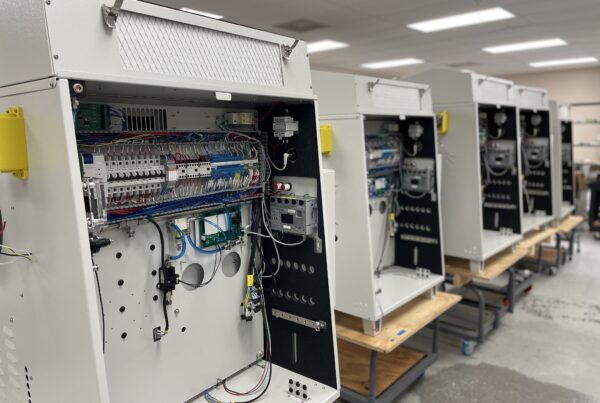
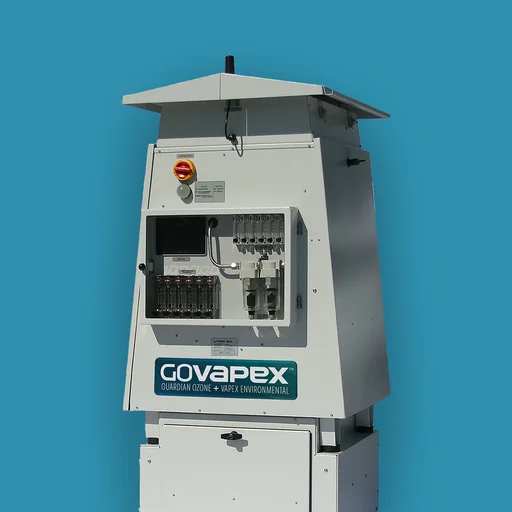
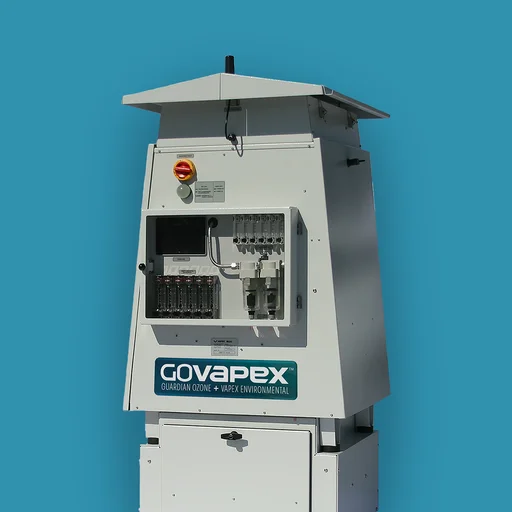
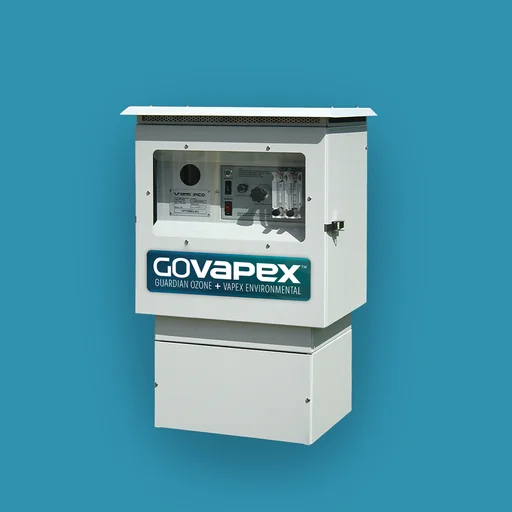
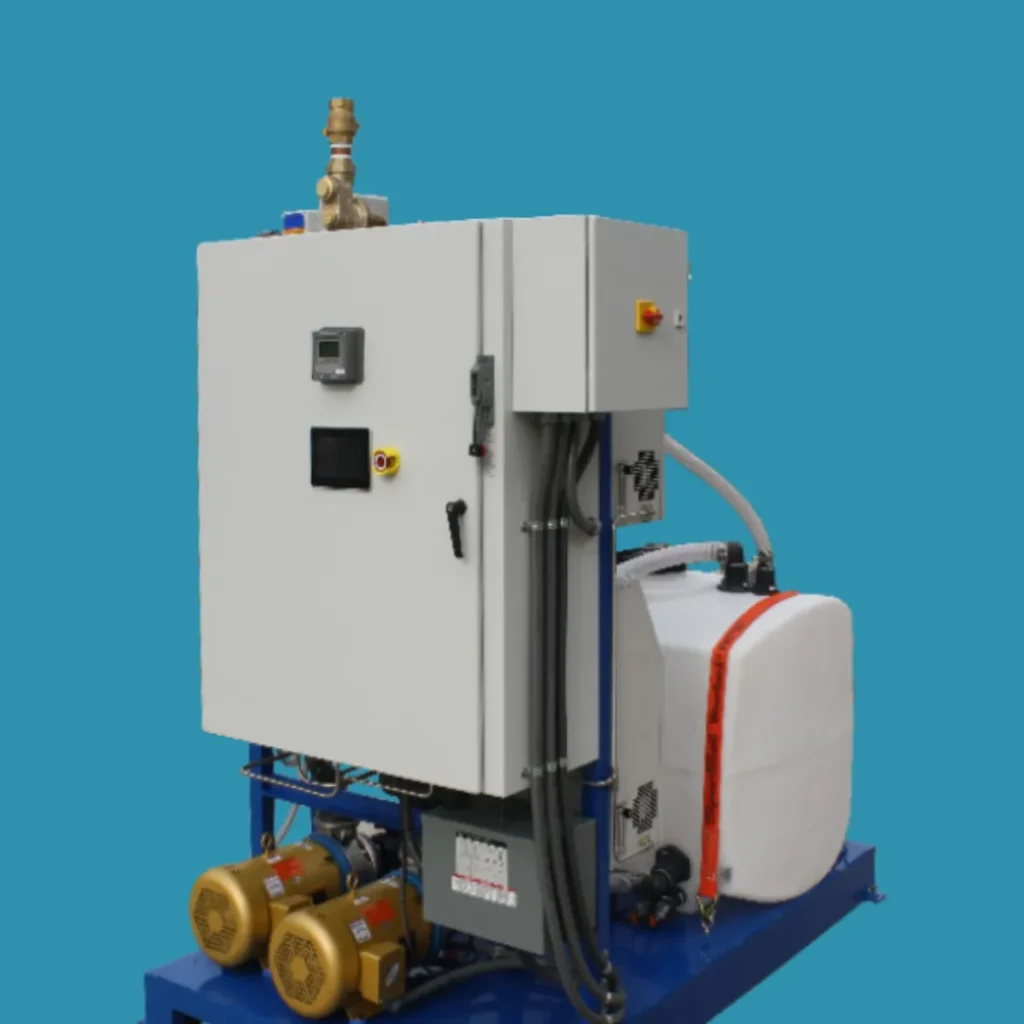
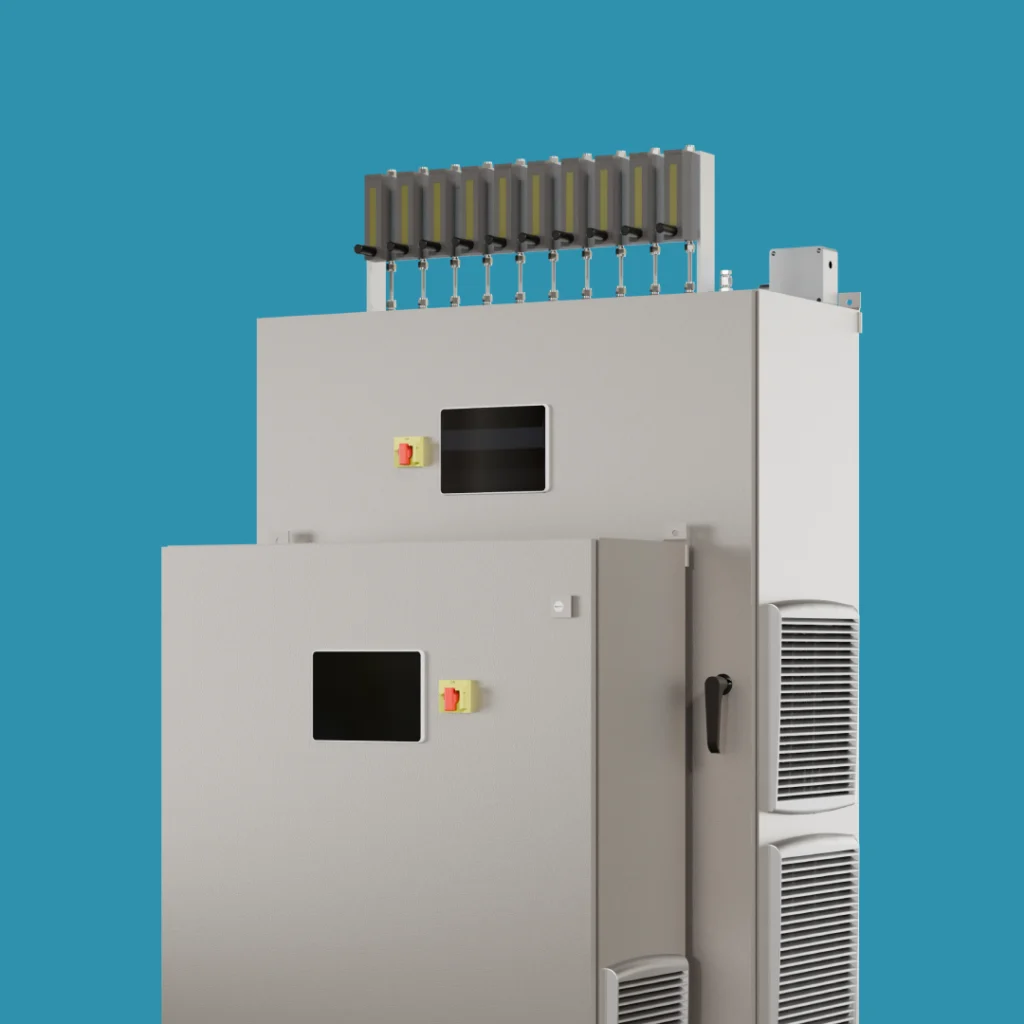
GOVAPEX designs side-stream systems as self-contained skids integrating air preparation, ozone generation, venturi injection, contact column, and off-gas destruct. Each system is controlled by PLC logic tied to dissolved ozone (DO3) or oxidation-reduction potential (ORP) sensors.
Typical operating parameters:
- Side-stream flow fraction: 10% of total plant flow
- Dissolved ozone: 1.5–2.5 mg/L
- Contact time: 2–5 minutes
- Transfer efficiency: 85–92%
This setup minimizes energy use while achieving full disinfection compliance.
Field Example: California Title 22 Reuse Plant
A 1.2 MGD tertiary treatment plant in Southern California installed a GOVAPEX 200 g/hr air-cooled ozone system configured for 10% side-stream operation. The plant had previously used sodium hypochlorite and sulfur dioxide for disinfection and dechlorination.
Measured data after six months of continuous operation:
| Parameter | Pre-GOVAPEX (Chlorine) | Post-GOVAPEX (Ozone Side-Stream) |
| Total coliform | 12 MPN/100 mL | <1 MPN/100 mL |
| THMs | 84 µg/L | Non-detect (<1 µg/L) |
| Dechlorination chemical | 400 gal/month | None |
| OPEX reduction | — | 56% |
| Energy use | 6.5 kWh/lb O3 | 6.2 kWh/lb O3 |
The system met Title 22 requirements without producing regulated byproducts or requiring chemical deliveries.
Engineering Advantages
- Reduced Capital and OPEX: Lower ozone generation demand decreases both system size and energy consumption.
- Process Stability: Independent side-stream control allows disinfection optimization without affecting main-plant hydraulics.
- Simplified Retrofits: Minimal footprint makes ozone integration feasible in existing chlorine contact basins.
- Safety: No hazardous chemical handling or storage.
Design and Control Considerations
Key to performance is maintaining the correct ratio of side-stream ozone concentration to main-flow organic load. GOVAPEX engineers use computational fluid dynamics (CFD) to predict mixing efficiency and ensure homogeneous distribution of residual ozone. Systems automatically adjust generator power based on real-time sensor feedback, preventing under- or over-oxidation.
Sustainability and Long-Term Impact
Side-stream ozone systems not only improve microbial control but also enhance color, odor, and microcontaminant removal. Utilities adopting GOVAPEX technology report improved community perception and reduced environmental risk due to elimination of chlorine handling and residual toxicity.
Conclusion
For municipalities pursuing safe and cost-effective reuse, side-stream ozone disinfection delivers the ideal balance of performance and sustainability. GOVAPEX’s engineered systems provide precise control, low energy demand, and chemical-free operation, demonstrating that effective disinfection does not require complex or hazardous infrastructure.
- U.S. EPA (2012). Guidelines for Water Reuse, EPA/600/R-12/618.
- Rice, R.G. (1982). Handbook of Ozone Technology and Applications.
- California State Water Resources Control Board (2021). Recycled Water Criteria, Title 22.