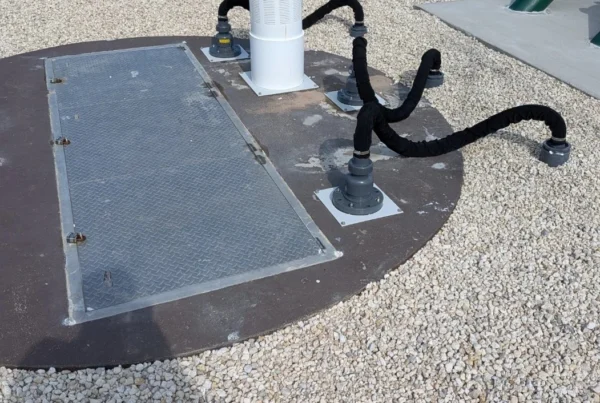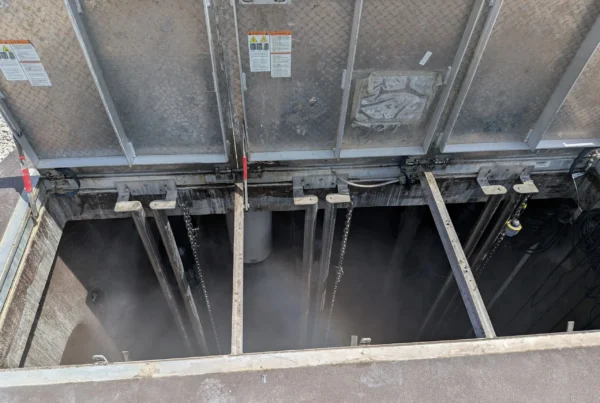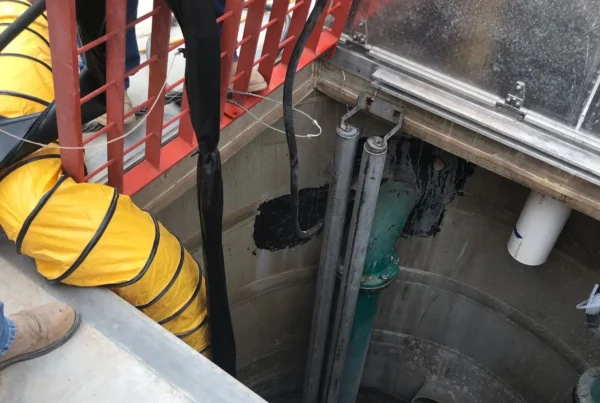

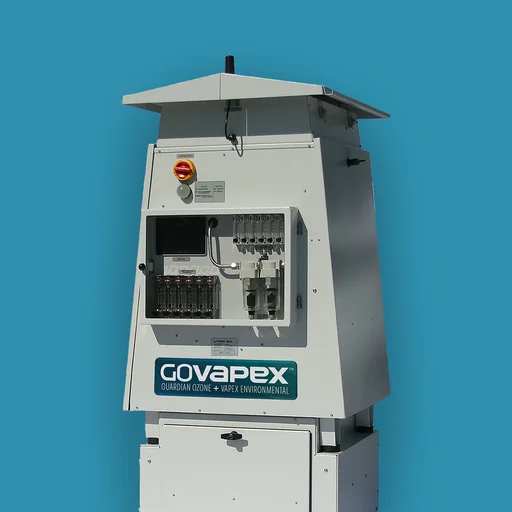
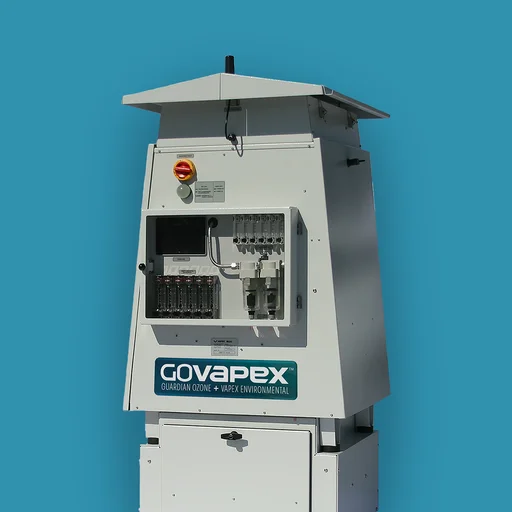
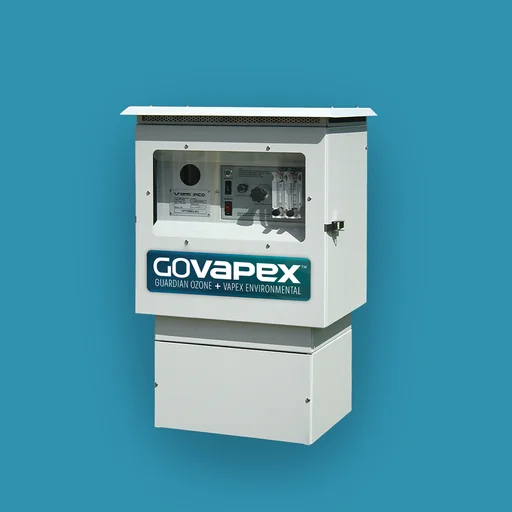
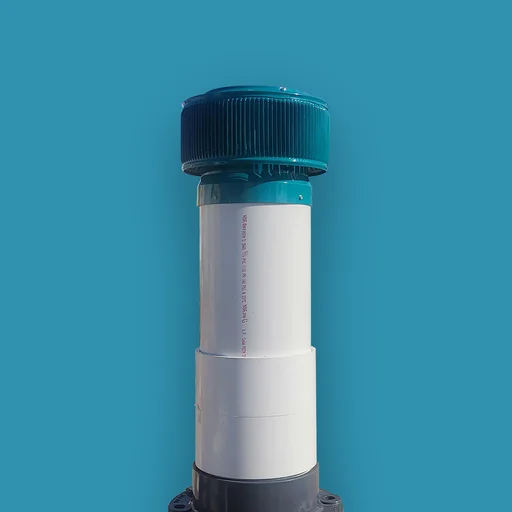
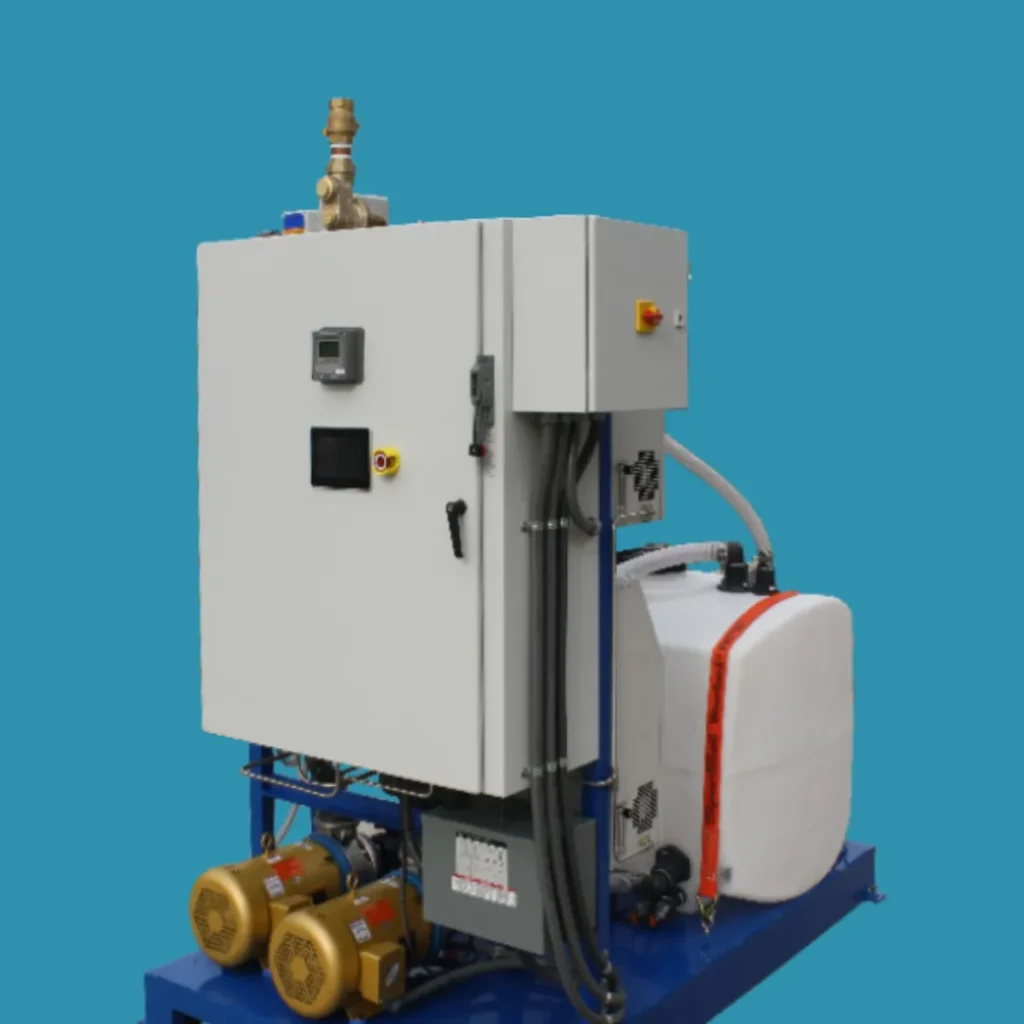
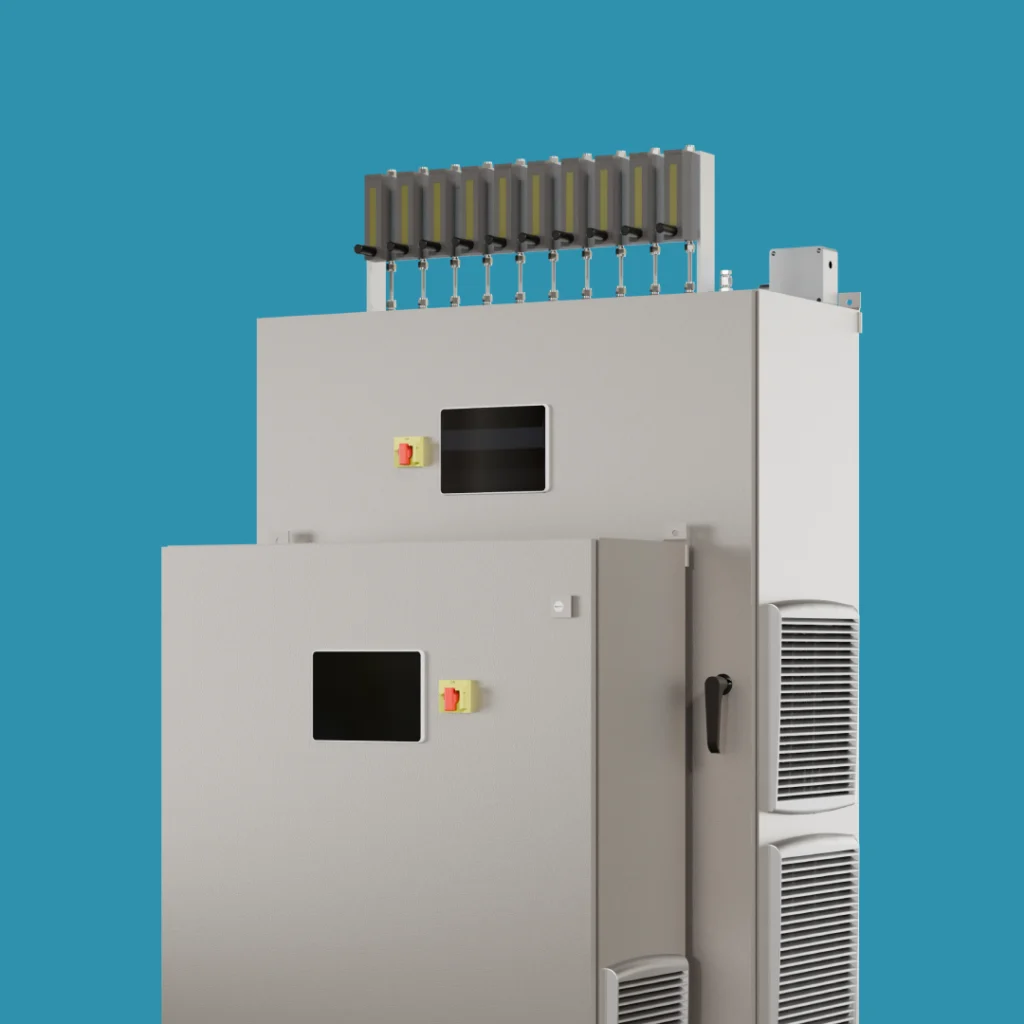
Force mains and wet wells are key nodes in wastewater collection networks and also among the most common sources of odor and corrosion. Closed-pipe transport, long retention times, and high organic loading create ideal anaerobic conditions for hydrogen sulfide (H2S) generation. When wastewater discharges into a wet well, pressure changes release H2S gas into the headspace, leading to odor complaints and structural damage. GOVAPEX systems offer an engineered vapor-phase solution that addresses these challenges at their source.
The Engineering Problem
In force mains, dissolved sulfide concentrations can exceed 10 mg/L. When the flow transitions to atmospheric pressure at the discharge, H2S is released almost instantaneously. In confined wet wells, this gas accumulates, creating localized concentrations above 100 ppmv. Beyond the nuisance odor, this environment accelerates corrosion of concrete, ductile iron, and protective coatings.
Conventional odor control methods, such as chemical scrubbers and carbon vessels, are designed to treat vented air but not the internal headspace where odor and corrosion originate. This leaves the underlying issue unresolved.
The GOVAPEX Solution
GOVAPEX vapor-phase systems treat the problem where it begins. By spraying hydroxyl radicals directly into the airspace above the wet well or discharge structure, the system destroys H2S and VOCs before they escape to the atmosphere. The oxidants also inhibit microbial activity that contributes to ongoing H2S generation.
Each system is engineered to deliver a fine mist of oxidants evenly throughout the structure. This ensures maximum gas–liquid contact and prevents localized zones of untreated air.
Performance in Real Systems
A Gulf Coast municipality operating a 1.2 MGD force main observed persistent odor issues despite dual carbon scrubbers. After installing GOVAPEX units at the force main discharge and adjacent wet well, H2S levels dropped from 125 ppmv to less than 0.3 ppmv within 24 hours. Carbon usage was eliminated entirely, and the odor complaint log dropped to zero for the following year.
At another site in the Midwest, operators reported reduced scaling on submersible pump housings and rail systems after six months of continuous vapor-phase operation. The improved air quality also lowered corrosion rates on aluminum covers and ductwork.
Key Engineering Benefits
- Simultaneous odor and corrosion control: One system handles both.
- Minimal footprint: Typically less than 25 square feet.
- No chemicals: Uses only air, water, and electricity.
- Regulatory compliance: No chemical storage or air permitting required in most jurisdictions.
Integration and Maintenance
GOVAPEX systems integrate easily into existing lift stations and wet wells without hydraulic modifications. The modular design allows placement near vent stacks, headspace entries, or valve chambers. Maintenance consists primarily of periodic nozzle inspection..
Conclusion
Force mains and wet wells represent the intersection of odor nuisance, corrosion risk, and community impact. GOVAPEX vapor-phase technology provides a single, sustainable solution by eliminating hydrogen sulfide and protecting infrastructure. The system’s simplicity, safety, and proven field performance make it a preferred choice for modern collection system design and rehabilitation.
References
- U.S. EPA (2003). Control of Odors and Emissions from Wastewater Treatment Plants.
- Water Environment Federation (2017). Odor Control in Wastewater Treatment Plants, MOP 25.
- Parker, C.D. (1945). “The Corrosion of Concrete,” Australian Journal of Experimental Biology and Medical Science.