
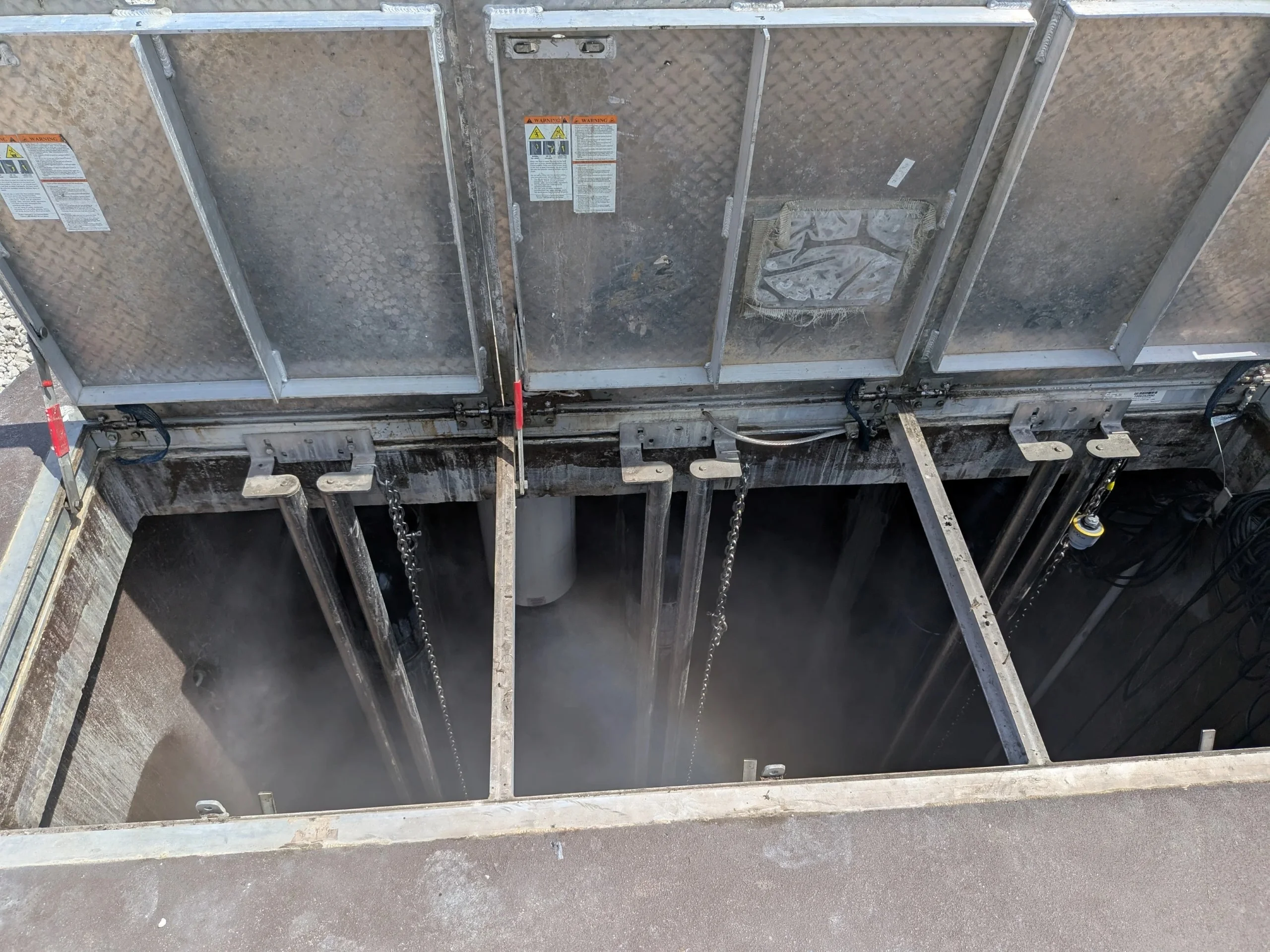
Odor control decisions in wastewater systems are often made reactively. A complaint is received, corrosion is observed, or hydrogen sulfide is detected during a confined space entry, and a solution is quickly implemented. However, one of the most overlooked components of effective odor and corrosion control is accurate measurement.
Before selecting a carbon system, chemical scrubber, media bed, or vapor-phase oxidation unit, utilities must understand the behavior of hydrogen sulfide in their specific system. Without measurement, odor control becomes guesswork. With measurement, it becomes engineering.
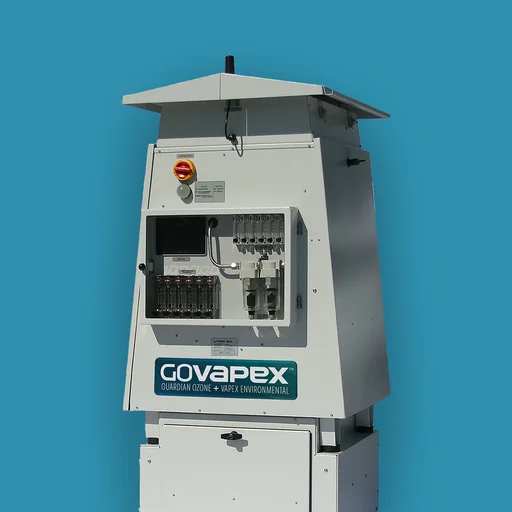
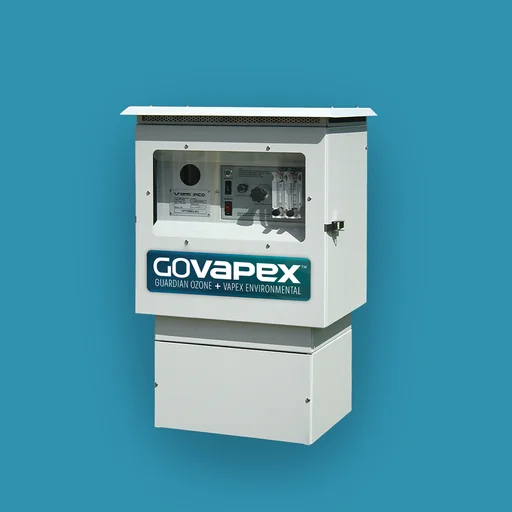
For systems deployed by GOVAPEX, proper monitoring ensures right-sizing, predictable performance, and measurable asset protection.
Why Hydrogen Sulfide Is Difficult to Predict
Hydrogen sulfide generation depends on multiple variables:
- Wastewater temperature
- Detention time in force mains
- Sulfate concentration
- Organic loading
- Flow variability
- Ventilation conditions
In decentralized assets such as lift stations and wet wells, hydrogen sulfide concentrations can vary dramatically throughout the day. Morning peak flows may dilute sulfide levels, while overnight low-flow periods may allow concentrations to spike.
Spot measurements taken during one site visit rarely represent true system behavior. Engineers must instead consider patterns over time.
Airspace vs Liquid Phase Measurements
Hydrogen sulfide exists in both dissolved and gaseous forms. While dissolved sulfide is important for understanding upstream generation, corrosion and odor impacts occur primarily in the airspace.
Air-phase monitoring provides actionable insight for odor control system design because:
- Odor complaints correlate directly with air concentrations
- Corrosion risk increases with sustained air-phase H2S exposure
- Headspace conditions determine treatment requirements
In many cases, utilities focus on dissolved sulfide data but neglect airspace monitoring, leading to undersized or improperly applied solutions.
Monitoring Technologies and Best Practices
Several tools are available for hydrogen sulfide measurement:
- Portable electrochemical sensors for spot checks
- Fixed continuous monitors for trend analysis
- Data loggers for time-based concentration tracking
- Colorimetric tubes for quick verification
Best practice includes:
- Monitoring over at least 24–72 hours
- Capturing peak and off-peak conditions
- Measuring near walls and ceilings where accumulation occurs
- Recording temperature and ventilation conditions
This data informs treatment intensity and system sizing.
Designing Odor Control Based on Data
When odor control systems are selected without reliable data, common problems occur:
- Carbon systems saturate prematurely
- Chemical scrubbers are oversized or underperform
- Media replacement frequency is underestimated
- Oxidation systems are incorrectly tuned
By contrast, when monitoring data is used:
- Vapor-phase systems can be properly sized
- Oxidant output can be calibrated to peak loading
- Performance benchmarks can be established
- Maintenance intervals become predictable
Data-driven design reduces lifecycle cost and increases operator confidence.
Monitoring After Installation
Measurement does not end at installation. Post-install monitoring is equally important.
For vapor-phase oxidation systems, follow-up measurement verifies:
- Reduction in peak hydrogen sulfide concentrations
- Stability across variable flow conditions
- Long-term performance consistency
Utilities that implement post-install monitoring gain measurable proof of corrosion risk reduction and odor mitigation, strengthening internal support for future deployments.
Field Example: Data-Driven Lift Station Upgrade
A southeastern municipality experienced recurring odor complaints at a residential lift station. Initial spot measurements showed 15 ppmv hydrogen sulfide. However, continuous 48-hour monitoring revealed overnight peaks exceeding 75 ppmv.
Based on the trend data, a properly sized GOVAPEX vapor-phase system was installed. Follow-up monitoring showed sustained concentrations below 1 ppmv under all flow conditions.
Without extended monitoring, the system would likely have been undersized based on initial spot readings.
Engineering Perspective: Monitoring as Risk Management
Hydrogen sulfide monitoring should be treated as part of asset management strategy, not merely odor troubleshooting. Sustained exposure to concentrations above 20 ppmv significantly increases corrosion rates in moist environments. Early detection allows utilities to intervene before structural damage accelerates.
Monitoring also helps differentiate between:
- True sulfide generation issues
- Ventilation deficiencies
- Isolated odor sources
- Upstream loading changes
This clarity improves technology selection and capital planning.
Conclusion
Effective odor and corrosion control begins with measurement. Hydrogen sulfide monitoring transforms odor control from a reactive response into a data-driven engineering decision.
By integrating proper monitoring with right-sized vapor-phase oxidation systems, utilities can reduce risk, extend infrastructure life, and improve operational predictability.
For municipalities and industrial operators evaluating odor control strategies, the first question should not be “What system should we install?” but rather “What does the data show?”