
Per and polyfluoroalkyl substances, commonly referred to as PFAS, have become one of the most discussed topics in water and wastewater treatment over the past decade. Often described as “forever chemicals,” PFAS compounds are extremely resistant to environmental degradation due to the strength of the carbon–fluorine bond, one of the strongest chemical bonds in organic chemistry.
As regulatory attention increases and utilities begin evaluating long-term treatment strategies, many engineers and operators are asking the same question: how should PFAS be managed within wastewater systems?
While most current treatment approaches focus on drinking water systems, the role of wastewater treatment plants is increasingly recognized as a critical part of the broader PFAS management framework.
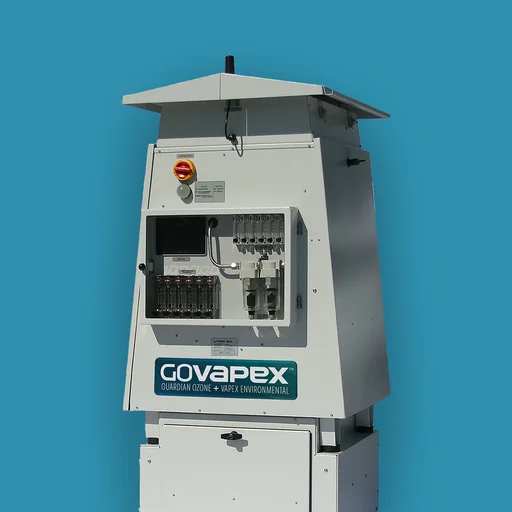
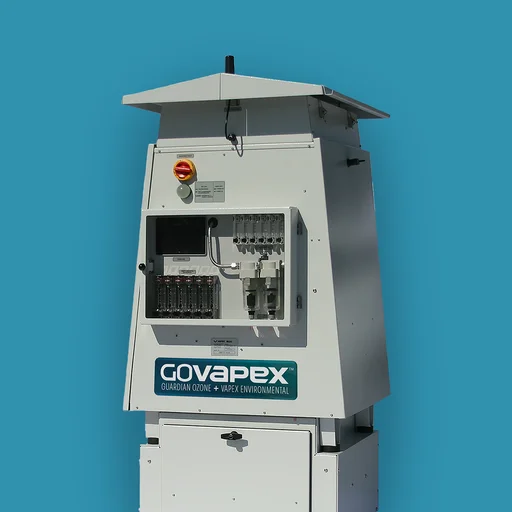
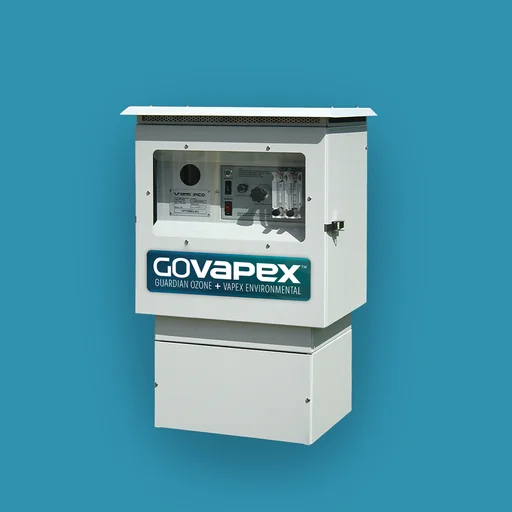
Companies such as GOVAPEX work with municipalities and industrial operators addressing oxidation challenges in water and wastewater systems, and understanding PFAS behavior is becoming an important part of that conversation.
Why PFAS Are So Difficult to Treat
PFAS compounds are widely used in industrial processes and consumer products due to their resistance to heat, oil, water, and chemical reactions. Common sources include:
- Firefighting foams
- Industrial manufacturing processes
- Surface coatings and textiles
- Food packaging materials
- Electronics and semiconductor manufacturing
When these compounds enter wastewater systems, they tend to remain dissolved and are poorly removed by conventional biological treatment processes.
The reason lies in the molecular structure. PFAS molecules contain carbon chains fully bonded with fluorine atoms, forming highly stable fluorinated compounds. These bonds resist the biological degradation mechanisms that normally break down organic contaminants in wastewater treatment plants.
As a result, PFAS compounds can pass through treatment processes and ultimately enter receiving waters or biosolids streams.
Current PFAS Removal Technologies
Most currently implemented PFAS treatment technologies focus on removal rather than destruction. The most widely used approaches include:
Granular Activated Carbon (GAC)
Carbon adsorption can remove certain long-chain PFAS compounds from water, but media exhaustion occurs over time and replacement costs can be significant.
Ion Exchange Resins
Specialized resins can capture PFAS with high efficiency but also require periodic regeneration or disposal.
Membrane Filtration
Processes such as reverse osmosis provide high removal efficiency but generate concentrated brine streams that must be managed.
These technologies are effective for drinking water applications but are often difficult to scale economically for wastewater treatment plants handling large volumes of flow.
Advanced Oxidation and PFAS Research
Because PFAS compounds are chemically stable, destroying them requires extremely strong oxidation or reduction processes. Researchers are investigating several advanced oxidation technologies capable of attacking the carbon–fluorine bond.
These include:
- Ozone combined with hydrogen peroxide
- UV-based advanced oxidation processes
- Electrochemical oxidation
- Plasma-based treatment systems
However, PFAS destruction remains challenging because many advanced oxidation systems that work well for other contaminants are not strong enough to fully break down fluorinated compounds.
In most cases, treatment approaches currently focus on transforming PFAS into shorter-chain compounds or concentrating them for further treatment rather than complete mineralization.
Where Ozone and Oxidation Fit
Ozone-based oxidation systems are widely used for removing organic contaminants, reducing color and taste compounds, and breaking down many industrial pollutants. In wastewater systems, oxidation technologies also help address compounds that contribute to odor formation, corrosion, and difficult-to-treat organic loading.
While ozone alone is not currently considered a primary PFAS destruction technology, oxidation processes can play several supporting roles in treatment systems.
These include:
- Breaking down precursor compounds that may form PFAS
- Improving downstream treatment efficiency
- Reducing organic loading prior to advanced PFAS removal processes
- Supporting tertiary treatment and water reuse systems
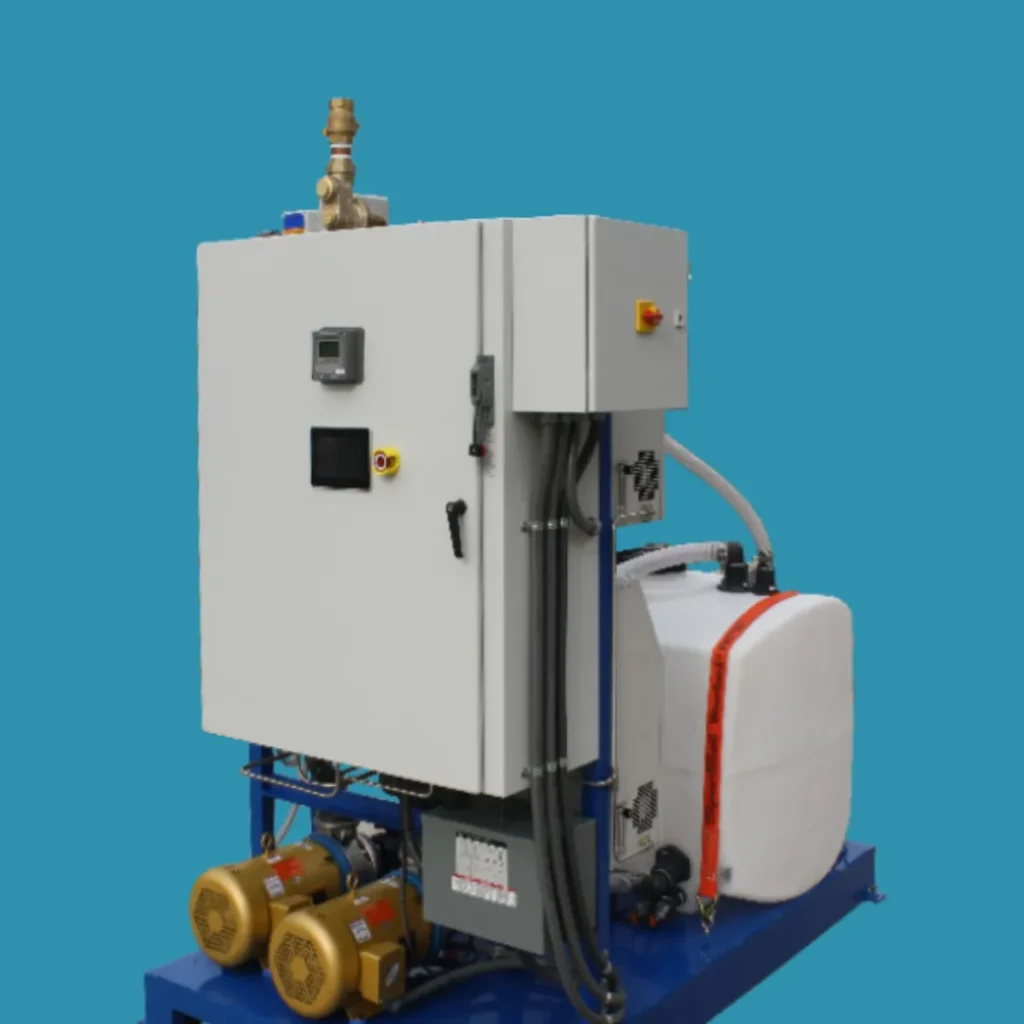
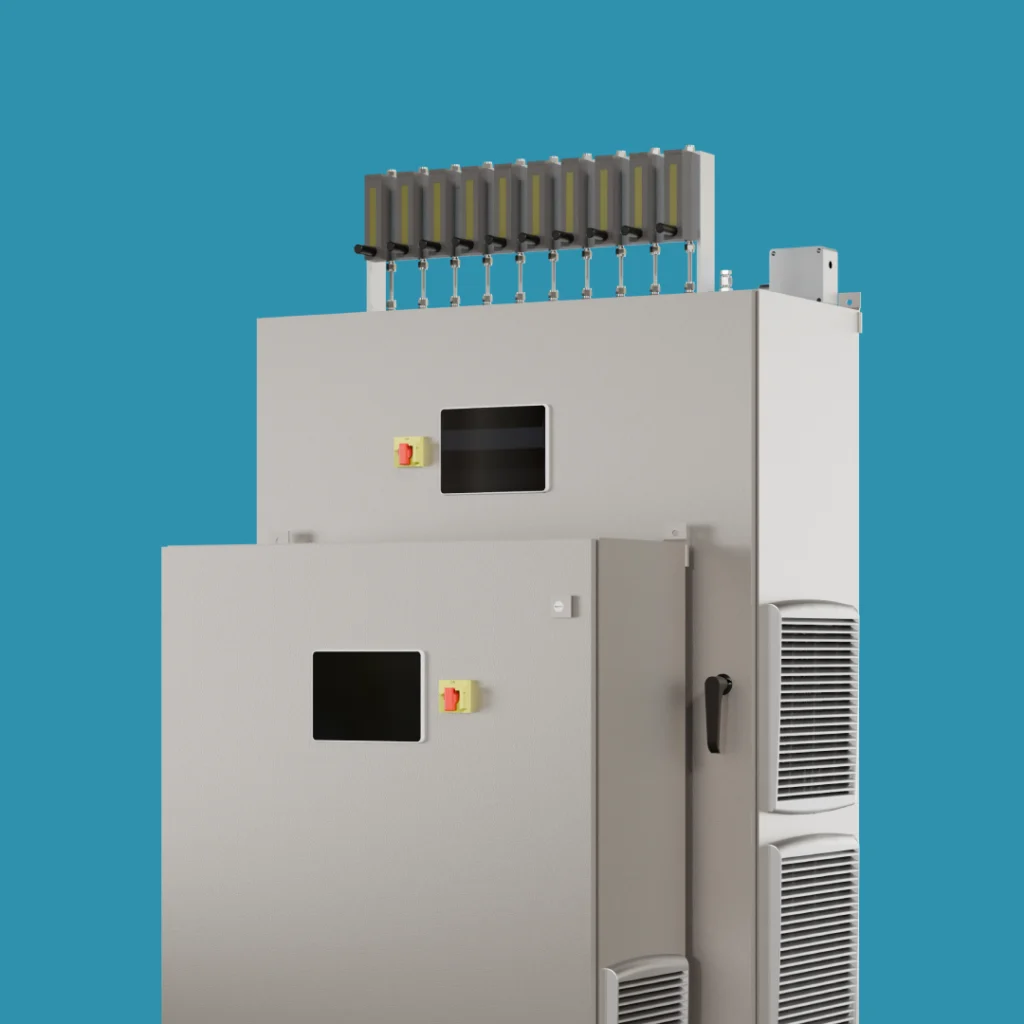
This is why oxidation platforms such as those developed by GOVAPEX continue to be relevant as utilities build multi-barrier treatment strategies.
The Growing Role of Wastewater Utilities
Historically, PFAS regulation focused primarily on drinking water. However, regulatory agencies are increasingly examining the role of wastewater treatment plants as potential pathways for PFAS transport into the environment.
Future regulatory frameworks may include:
- Industrial pretreatment programs targeting PFAS discharges
- Monitoring requirements for wastewater effluent
- Biosolids management considerations
- Source control requirements for industrial facilities
As these regulations evolve, wastewater utilities will likely play a larger role in tracking and managing PFAS loading within their service areas.
Why Source Control Matters
One of the most effective strategies for PFAS management is controlling industrial sources before they enter municipal systems.
Pretreatment programs can work with industrial users to:
- Identify PFAS-containing processes
- Reduce discharge concentrations
- Implement on-site treatment technologies
- Substitute alternative chemicals when possible
By reducing PFAS loading upstream, utilities can significantly reduce the burden on downstream treatment systems.
The Path Forward
PFAS treatment remains one of the most active areas of research in water and wastewater engineering. New technologies capable of destroying fluorinated compounds are being developed, but widespread implementation will require further validation, cost reduction, and regulatory clarity.
In the meantime, utilities are focusing on practical strategies that combine monitoring, source control, and multi-barrier treatment approaches.
As oxidation technologies continue to evolve, companies like GOVAPEX remain engaged with utilities and engineers addressing emerging treatment challenges across water and wastewater systems.
Conclusion
PFAS compounds represent a new class of contaminants that challenge many traditional treatment methods. Their chemical stability requires innovative approaches and collaboration between utilities, regulators, and technology providers.
While no single technology currently solves the PFAS challenge alone, integrated treatment strategies that combine source control, adsorption, membrane processes, and oxidation will likely define the next generation of water and wastewater treatment.
Understanding the role of each technology within this broader framework will help utilities prepare for the regulatory and operational realities of PFAS management in the years ahead.