
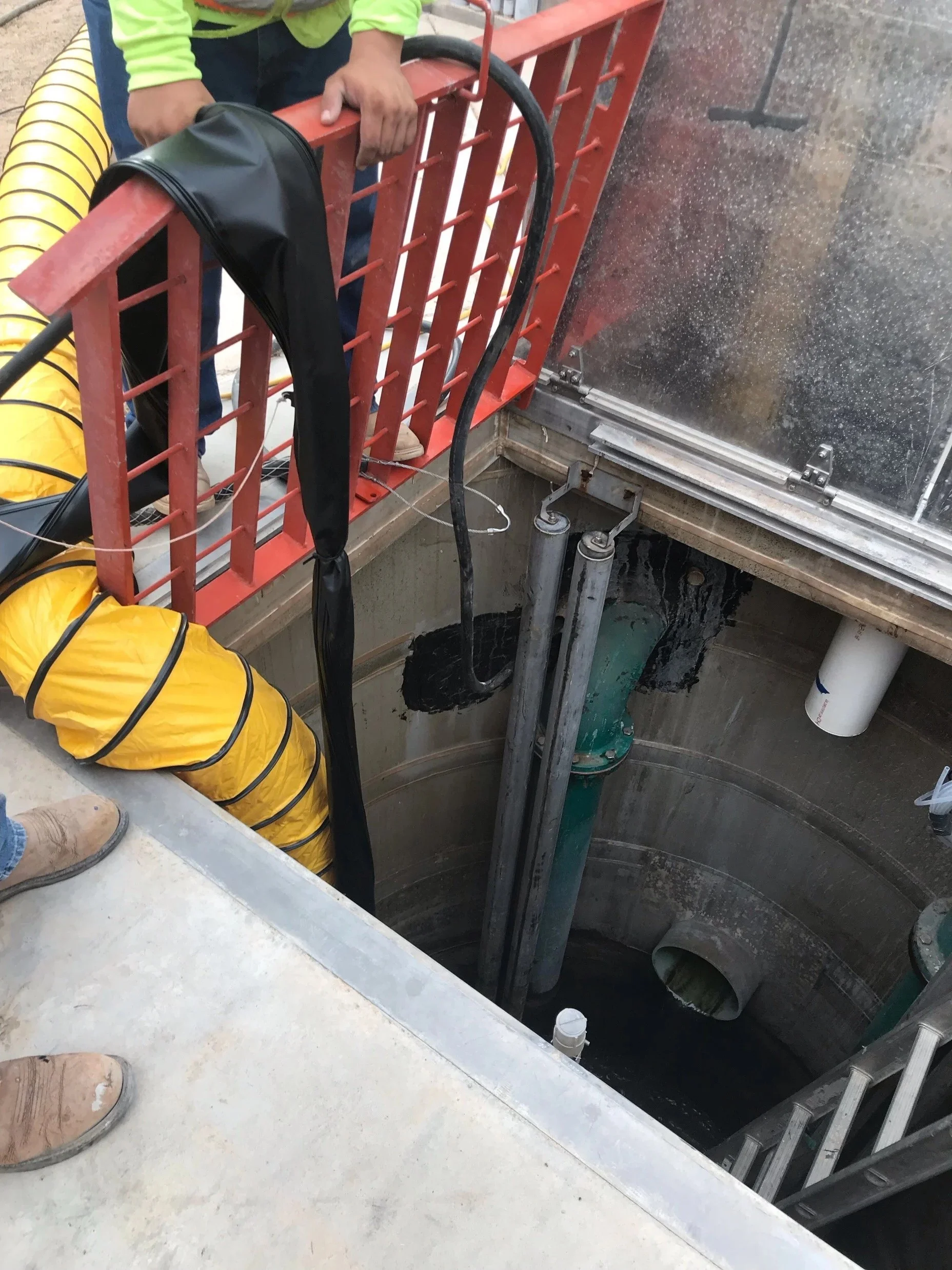
Wastewater infrastructure is becoming increasingly decentralized. New developments, expanding service areas, and aging collection systems are forcing utilities to operate a growing number of remote lift stations, wet wells, splitter boxes, and force main discharge points. While decentralization improves hydraulic flexibility, it also creates a new set of operational challenges, particularly around odor, corrosion, and maintenance consistency.
Traditional odor control strategies were developed for centralized treatment plants with dedicated staff and ample space. Applying those same approaches to decentralized assets often results in oversized systems, high operating costs, and inconsistent performance. This shift is why right-sized, low-maintenance odor control technologies are becoming essential for modern wastewater operations, and where GOVAPEX is increasingly being deployed.
The Reality of Decentralized Odor Problems
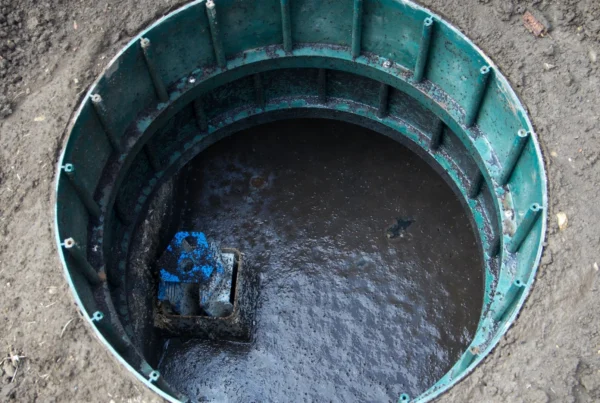
Decentralized assets experience many of the same biochemical processes as large treatment plants, but without the benefit of constant oversight. Long detention times, anaerobic conditions, and intermittent flow patterns promote sulfide generation upstream, which later manifests as hydrogen sulfide in the airspace.
Common problem locations include:
- Remote lift stations with limited ventilation
- Force main discharge structures
- Wet wells serving small service areas
- Splitter boxes and diversion structures
- Headworks at satellite treatment facilities
These assets are often located near residential or commercial developments, increasing sensitivity to odor complaints. At the same time, utilities may only visit these sites periodically, making reactive odor control both costly and disruptive.
Why Conventional Solutions Struggle at Remote Sites
Carbon vessels and chemical scrubbers remain common odor control tools, but their limitations become more pronounced in decentralized applications.
Carbon systems rely on adsorption capacity. At remote sites with variable hydrogen sulfide loading, media can saturate unexpectedly, leading to breakthrough events and emergency changeouts. Humidity further reduces performance, increasing operating cost and labor requirements.
Chemical scrubbers require bulk chemical storage, pumps, instrumentation, and frequent operator attention. For small or remote assets, this level of complexity is rarely sustainable. Chemical deliveries, safety training, and confined space maintenance add cost without addressing the underlying variability of sulfide generation.
As a result, many decentralized sites cycle between underperforming odor control and costly temporary fixes.
The Importance of Right-Sizing Odor Control
Right-sizing is not simply about selecting a smaller system. It is about matching treatment intensity, footprint, and maintenance requirements to the realities of the site.
For decentralized assets, effective odor control must:
- Operate continuously without frequent adjustment
- Tolerate fluctuating hydrogen sulfide concentrations
- Require minimal operator intervention
- Fit within tight spatial constraints
- Avoid hazardous chemical handling
Vapor-phase oxidation systems meet these requirements by treating odor directly in the airspace, where hydrogen sulfide causes odor and corrosion, rather than relying on media capacity or chemical consumption.
Vapor-Phase Oxidation in Decentralized Applications
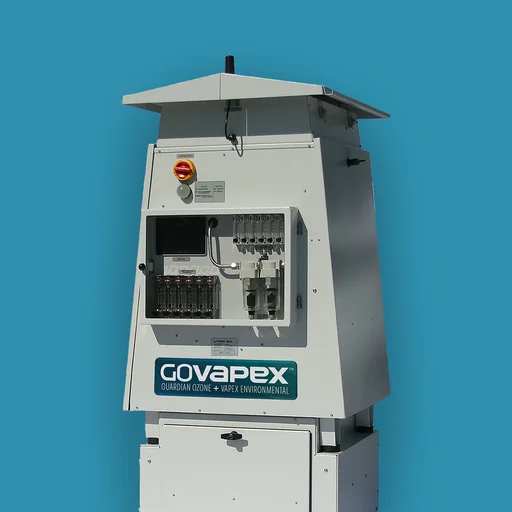
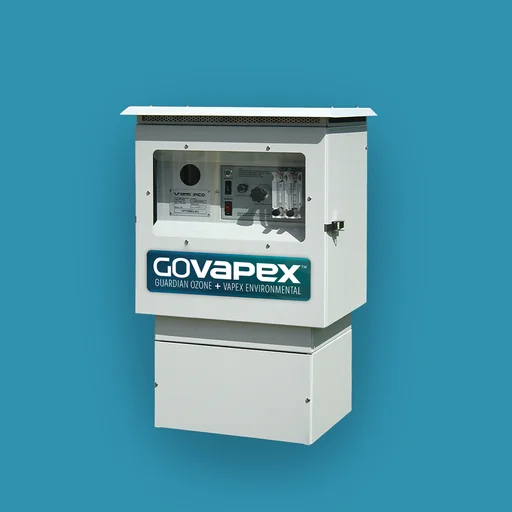
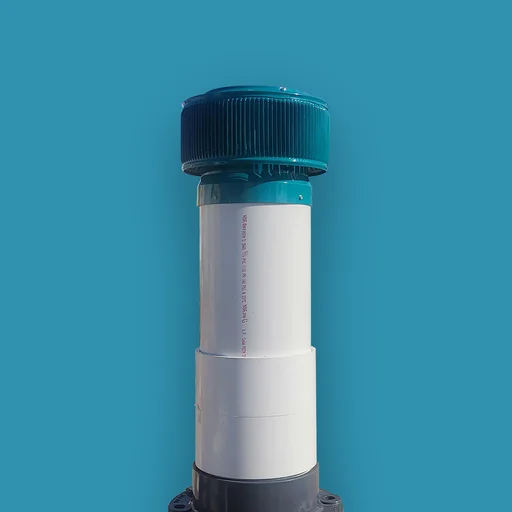
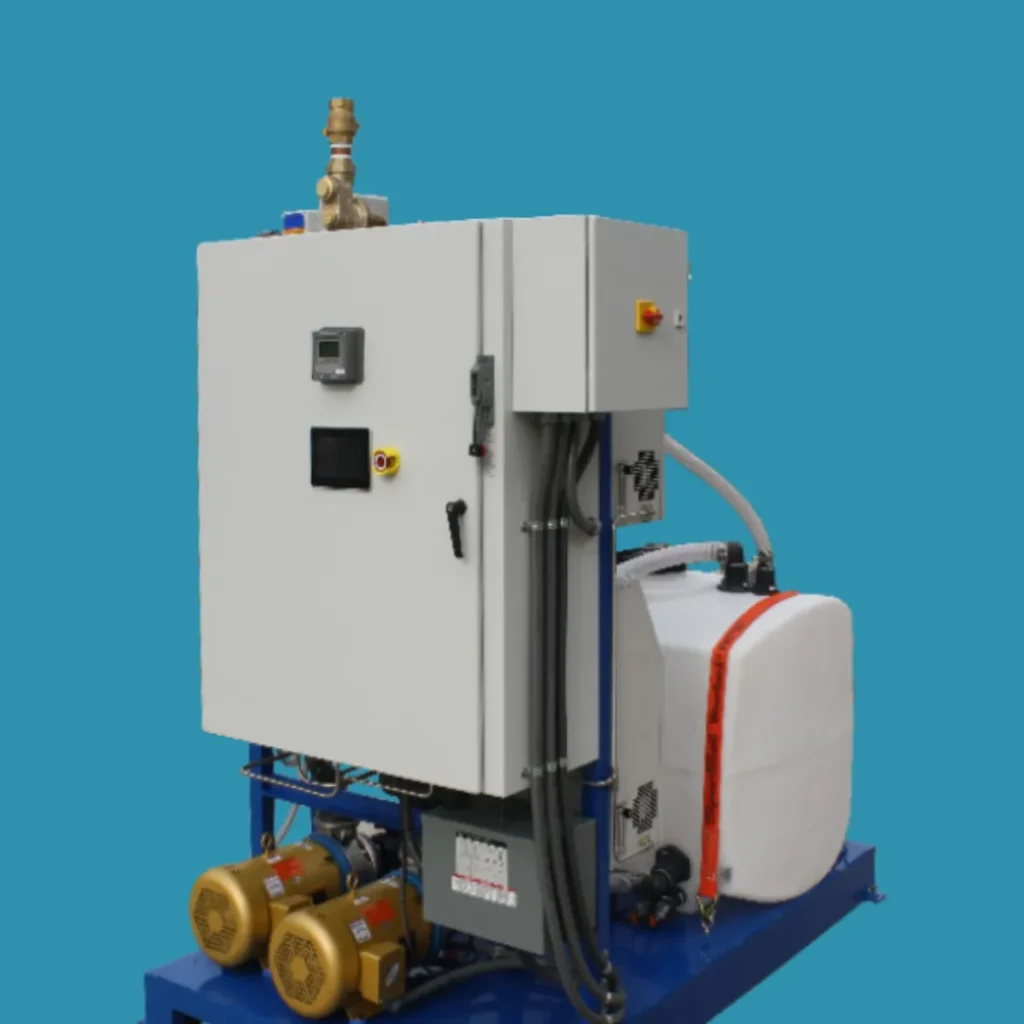
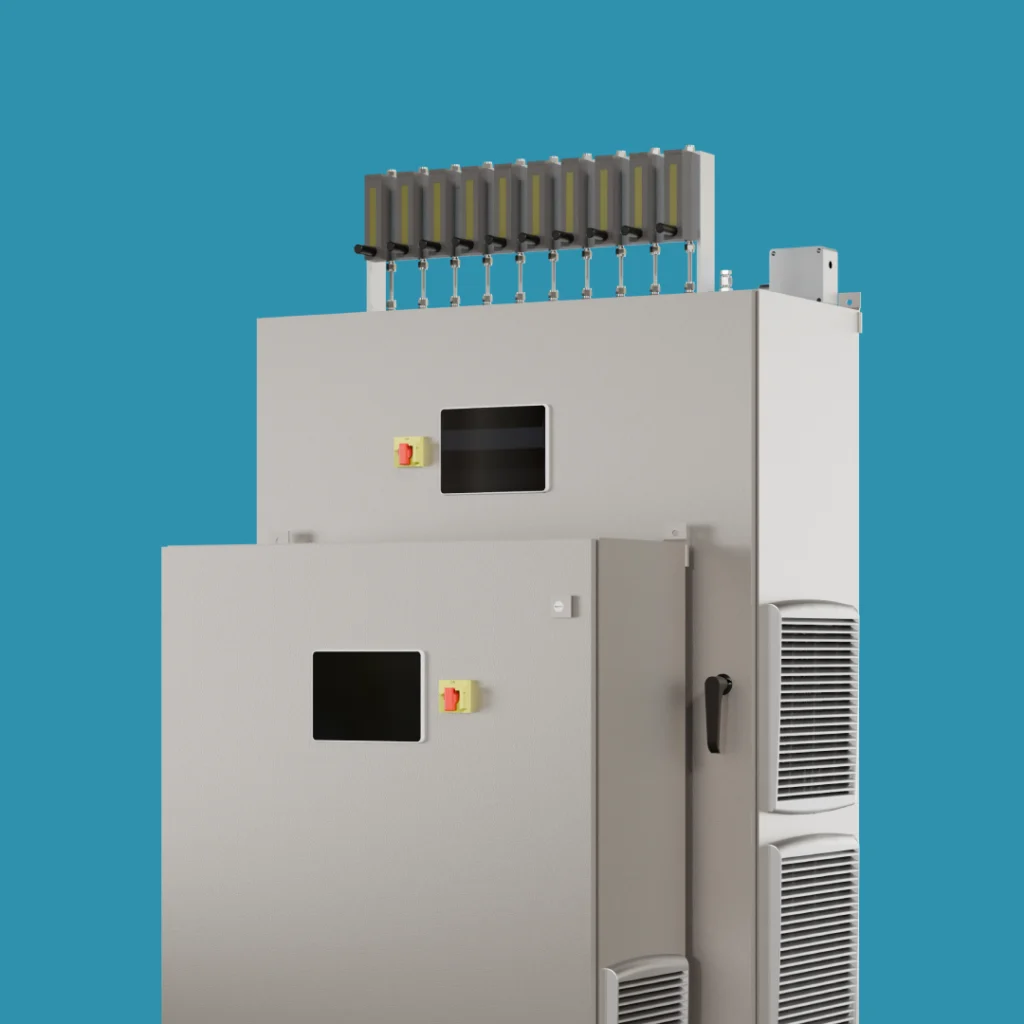
GOVAPEX vapor-phase systems generate oxidants on-site and disperse them into the headspace of lift stations and other odor-prone structures. Hydrogen sulfide and other reduced sulfur compounds are oxidized into stable, non-odorous byproducts before they can accumulate or interact with surfaces.
For decentralized sites, this approach offers several advantages:
Consistent Performance
Because oxidation destroys hydrogen sulfide rather than capturing it, performance does not degrade over time or between service visits. Systems remain effective across changing flow and loading conditions.
Minimal Maintenance
Without carbon media or bulk chemicals, routine maintenance is limited to basic inspection and verification. This is particularly valuable for utilities managing dozens or hundreds of remote assets.
Small Footprint
Compact system design allows installation at sites where traditional scrubbers or carbon vessels are impractical or impossible.
Infrastructure Protection
By eliminating hydrogen sulfide in the airspace, vapor-phase oxidation prevents sulfuric acid formation on concrete and metal surfaces, reducing corrosion risk at unattended sites.
Field Example: Remote Lift Station Deployment
A midwestern utility operating multiple satellite lift stations experienced repeated odor complaints following new residential development. The affected stations were visited only once per month, and carbon systems installed at two locations required frequent emergency media replacement due to unpredictable sulfide loading.
After deploying right-sized GOVAPEX vapor-phase systems, measured hydrogen sulfide concentrations dropped below 1 ppmv at all monitored sites. Over the following year, the utility eliminated emergency maintenance visits related to odor control and deferred planned structural rehabilitation at one station where corrosion had been progressing.
The key outcome was not only odor reduction, but operational predictability. Maintenance planning shifted from reactive to routine.
Engineering Perspective: Designing for Decentralization
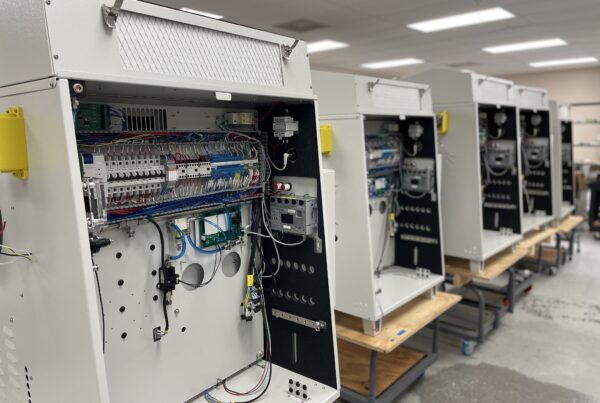
From an engineering standpoint, decentralized odor control should be approached as a distributed network rather than isolated installations. Right-sized systems allow utilities to standardize equipment, simplify spare parts, and reduce training requirements across multiple sites.
By deploying similar vapor-phase systems at multiple locations, utilities gain:
- Consistent performance expectations
- Simplified maintenance procedures
- Improved budgeting and lifecycle planning
- Reduced risk of odor-related compliance issues
This standardization is difficult to achieve with media-based or chemical systems that require site-specific sizing and ongoing adjustment.
Conclusion
Decentralization is no longer an exception in wastewater infrastructure, it is the norm. As collection systems expand and assets multiply, odor control strategies must evolve to match this reality.
Right-sized vapor-phase oxidation provides a practical, scalable solution for decentralized wastewater assets. By delivering consistent odor and corrosion control with minimal maintenance, GOVAPEX systems help utilities manage remote sites proactively rather than reactively.
For engineers and operators tasked with protecting infrastructure while managing limited resources, right-sizing odor control is not just an optimization, it is a necessity.