
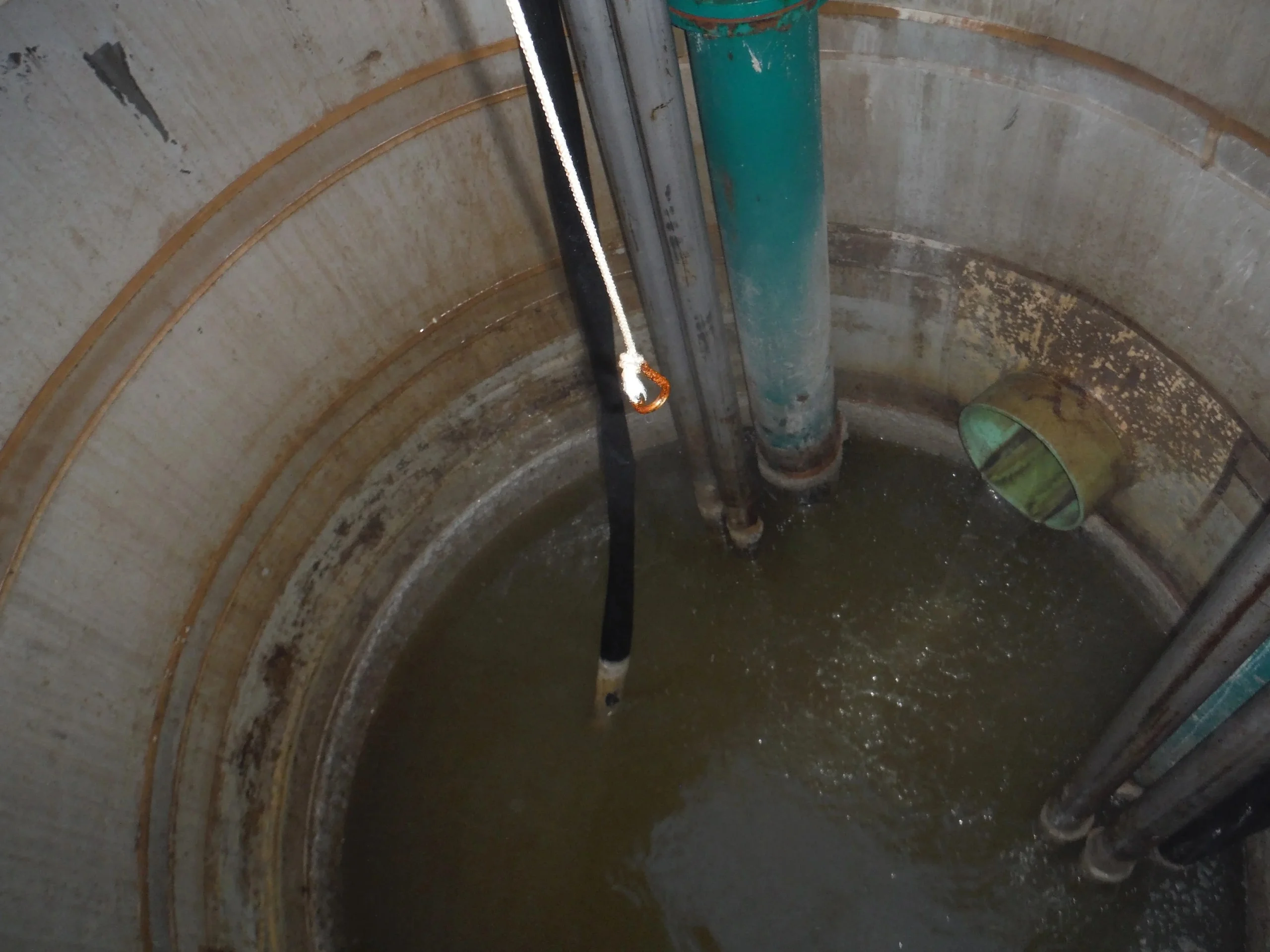
Fats, oils, and grease, commonly referred to as FOG, remain one of the most persistent operational challenges in municipal and industrial wastewater systems. While grease-related blockages are often associated with food service establishments, the downstream impacts are felt throughout collection systems, lift stations, force mains, and treatment facilities. Excessive FOG accumulation contributes to odor generation, reduced hydraulic capacity, equipment fouling, and costly emergency maintenance.
Traditional FOG management strategies focus primarily on source control and mechanical removal. While these approaches are necessary, they do not address how grease behaves once it enters the collection system. This is where vapor-phase oxidation technologies, such as those deployed by GOVAPEX, provide an additional layer of protection by targeting FOG-related impacts in the airspace.
How FOG Behaves Inside Collection Systems
Once FOG enters a sewer system, it undergoes several physical and chemical changes:
- Grease cools and solidifies on pipe walls, wet well surfaces, and mechanical components
- FOG traps debris, forming dense deposits that restrict flow
- Anaerobic conditions promote biological breakdown, producing hydrogen sulfide and other odorous compounds
- Grease-coated surfaces create ideal conditions for microbial-induced corrosion
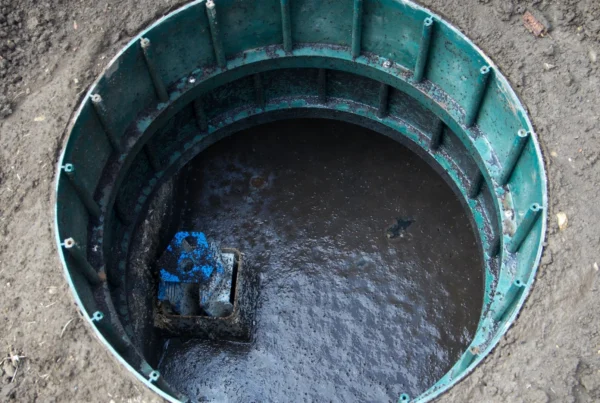
At lift stations and wet wells, FOG accumulation is especially problematic. Floating grease layers interfere with level sensors, clog pumps, and create stagnant zones where odor and corrosion accelerate. Even with routine cleaning, grease often re-accumulates rapidly, increasing maintenance frequency and operational cost.
The Link Between FOG, Odor, and Corrosion
FOG does not exist as an isolated issue. Its presence directly contributes to odor and corrosion problems.
As grease degrades under anaerobic conditions, sulfate-reducing bacteria generate dissolved sulfide. This sulfide volatilizes into the airspace as hydrogen sulfide gas. Once present, hydrogen sulfide reacts on moist surfaces to form sulfuric acid, accelerating corrosion of concrete and metal.
In this way, FOG becomes a catalyst for broader infrastructure damage. Treating grease buildup without addressing the resulting airspace chemistry leaves utilities vulnerable to recurring odor complaints and structural deterioration.
Why Mechanical and Chemical Methods Have Limits
Common FOG control approaches include jetting, manual removal, enzyme treatments, and grease traps. While effective at reducing bulk accumulation, these methods have limitations:
- Mechanical cleaning is reactive and labor-intensive
- Enzyme treatments are slow and performance varies with temperature and loading
- Chemical treatments introduce ongoing cost and handling considerations
- None address airspace odors or corrosion risk
As a result, many utilities find themselves repeatedly cleaning the same assets without achieving long-term improvement.
Vapor-Phase Oxidation and FOG-Related Impacts
Vapor-phase oxidation systems do not replace grease traps or mechanical cleaning. Instead, they address the secondary effects of FOG accumulation by treating the airspace where odor and corrosion develop.
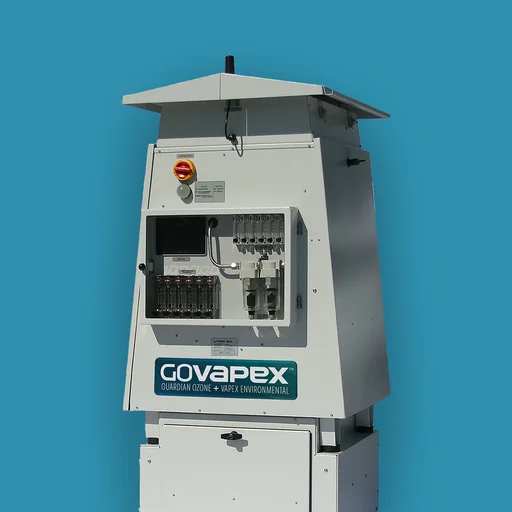
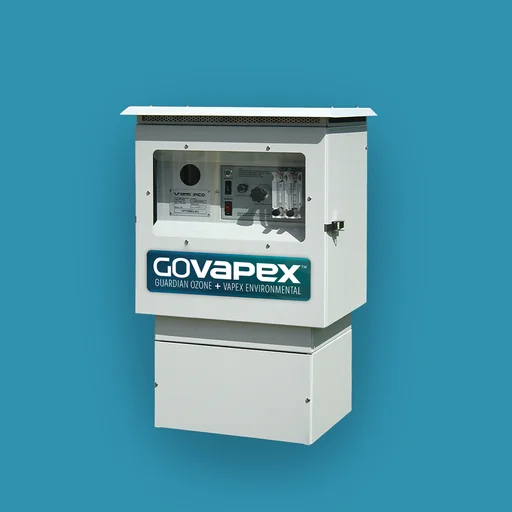
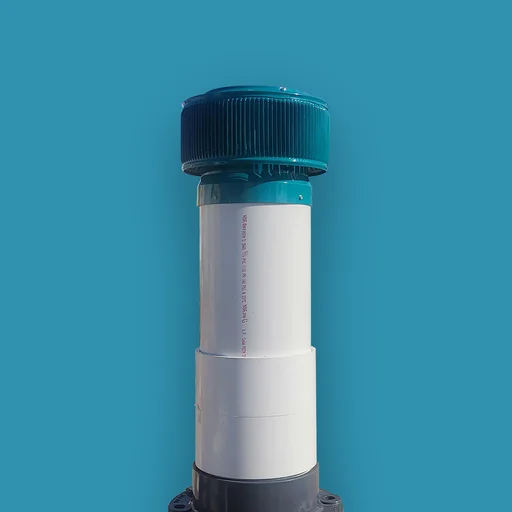
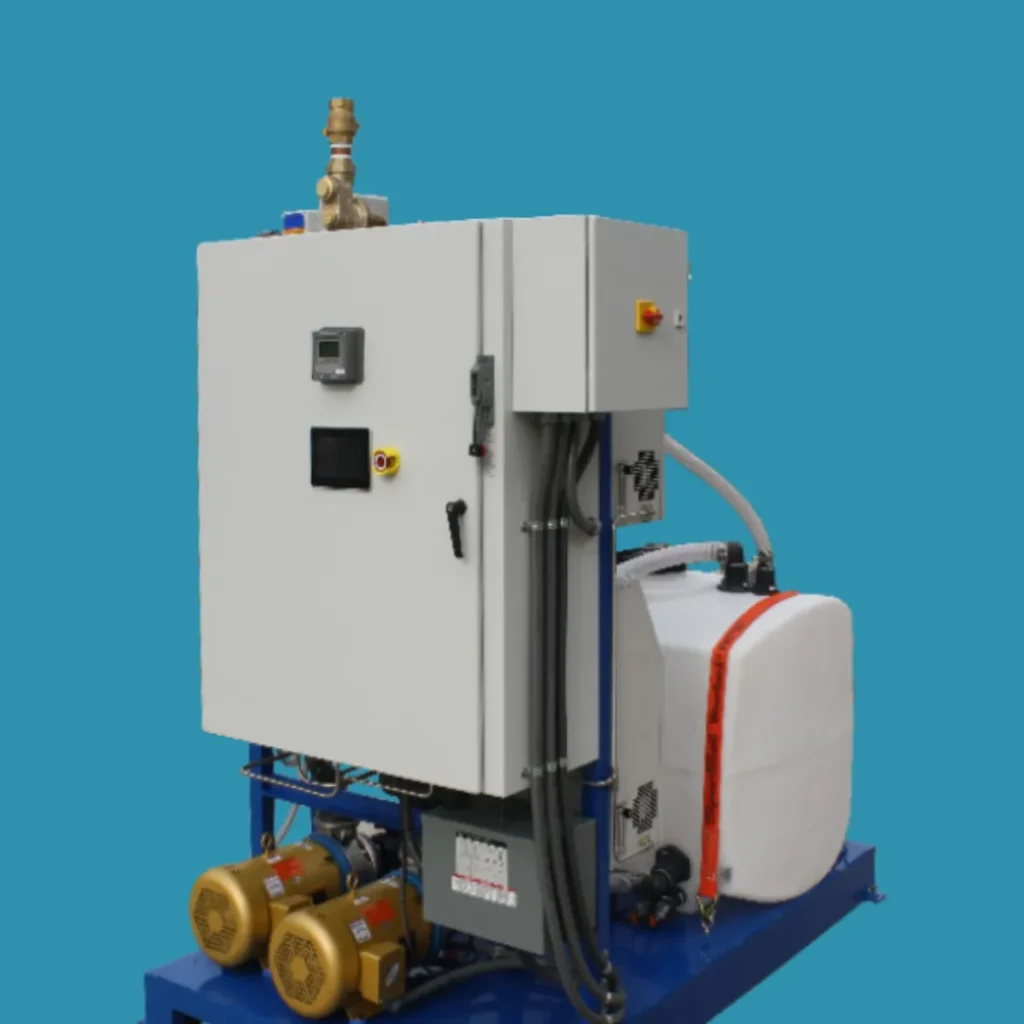
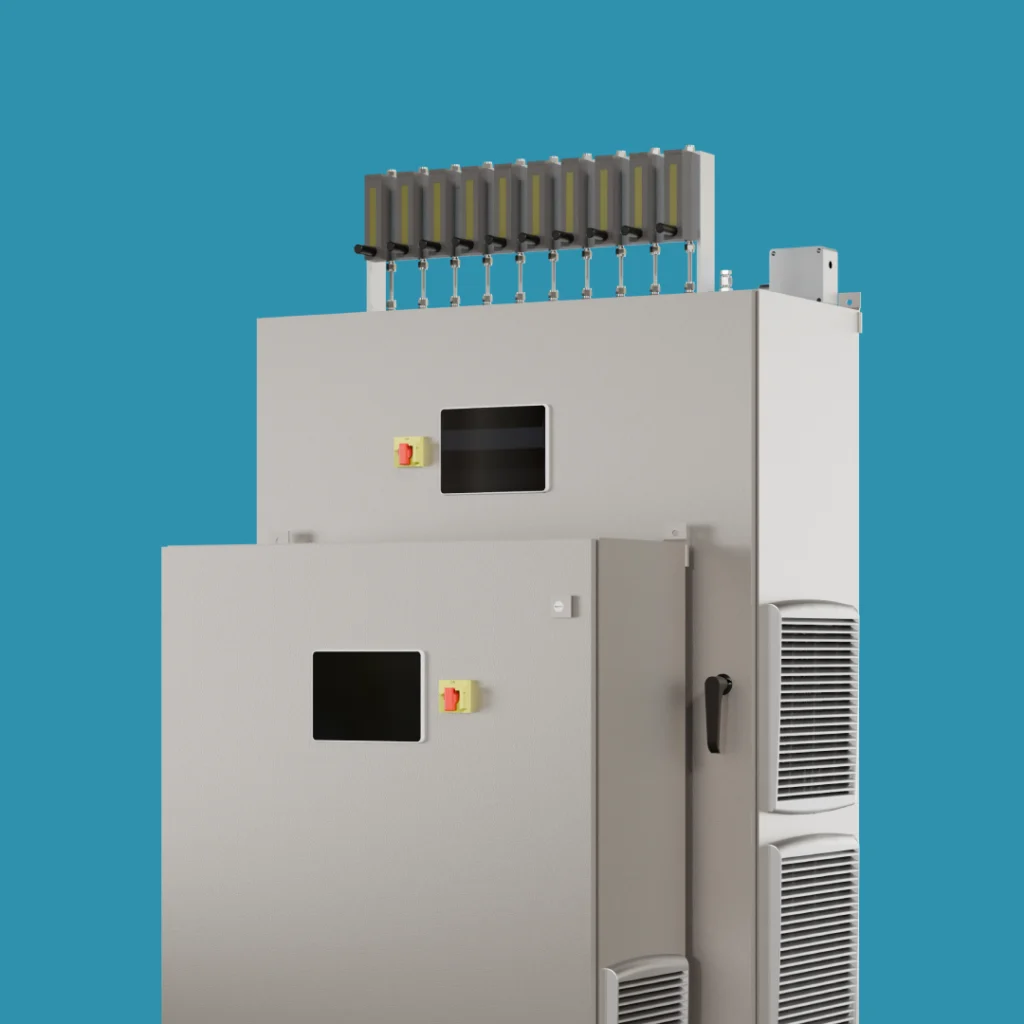
GOVAPEX systems generate ozone and convert it into a hydroxyl-rich vapor that is dispersed into the headspace of wet wells and lift stations. These oxidants react with hydrogen sulfide and other reduced sulfur compounds generated during FOG degradation.
While the primary target is odor-causing gas, the benefits extend further:
- Reduced hydrogen sulfide slows corrosion of grease-coated surfaces
- Oxidation limits biofilm growth associated with grease deposits
- Odor intensity decreases even when grease layers remain present
- Asset cleaning intervals can be extended due to improved conditions
In some applications, operators report that grease deposits become less cohesive over time, making routine cleaning easier and faster. This is not due to direct oxidation of bulk grease, but to changes in the microbial and chemical environment that normally stabilize FOG buildup.
Engineering Perspective: Managing the Whole System
From an engineering standpoint, effective FOG management requires a layered approach:
- Source control through grease interceptors and enforcement
- Mechanical cleaning to remove existing deposits
- Airspace treatment to control odor and corrosion
Vapor-phase oxidation fits into this framework by stabilizing conditions between cleanings. Instead of allowing grease degradation to drive hydrogen sulfide production unchecked, the airspace is actively treated, protecting infrastructure and improving operational reliability.
Field Example: Lift Station with Chronic Grease Issues
A municipal utility serving a dense restaurant corridor experienced repeated lift station failures due to grease accumulation. Despite quarterly cleanings, hydrogen sulfide levels routinely exceeded 40 ppmv, and odor complaints were frequent.
After installing a GOVAPEX vapor-phase system, measured H₂S concentrations dropped below 2 ppmv within days. While grease accumulation still required periodic removal, odor complaints ceased, corrosion rates slowed, and maintenance crews reported improved working conditions. The utility ultimately extended cleaning intervals from quarterly to semi-annual, reducing operating cost without increasing risk.
Why This Matters for Utilities
FOG management is rarely solved with a single technology. However, ignoring the airspace impacts of grease allows odor, corrosion, and safety risks to persist even when mechanical controls are in place.
By integrating vapor-phase oxidation into FOG-prone assets, utilities gain:
- Better odor control without chemicals
- Reduced corrosion risk in grease-heavy environments
- Improved reliability of sensors and mechanical equipment
- Lower long-term maintenance burden
Conclusion
FOG may start in the liquid phase, but its most damaging effects often occur in the airspace. Odor generation, corrosion, and operational failures are downstream consequences of grease accumulation that mechanical methods alone cannot fully address.
GOVAPEX vapor-phase oxidation systems provide a practical, non-chemical way to manage these impacts. By controlling the airspace environment where FOG-related degradation manifests, utilities can protect infrastructure, improve working conditions, and reduce the true cost of grease in wastewater systems.