

Fats, oils, and grease, commonly referred to as FOG, represent one of the most expensive and persistent challenges in wastewater collection systems. Although often considered a maintenance nuisance, FOG directly contributes to odor generation, blockages, and infrastructure damage. It is also a hidden driver of hydrogen sulfide formation and the resulting corrosion. By addressing the biological and chemical mechanisms behind FOG accumulation, municipalities can reduce maintenance costs, prevent odor complaints, and extend asset life. GOVAPEX vapor-phase systems play a critical role in achieving these goals through chemical-free oxidation and airspace treatment.
The Source and Chemistry of FOG
FOG primarily originates from residential kitchens, food service establishments, and industrial food processors. As warm wastewater cools, FOG solidifies and adheres to pipe walls. Over time, it combines with calcium and organic matter to form dense deposits known as “fatbergs.” These blockages constrict flow and trap solids, creating localized anaerobic conditions.
Under anaerobic conditions, sulfate-reducing bacteria (SRB) metabolize organic matter and produce hydrogen sulfide (H2S) as a byproduct. This gas is not only the main odorant responsible for the “rotten egg” smell but also a precursor to microbially-induced corrosion (MIC). As SRB colonize biofilms beneath grease layers, they establish microenvironments with little oxygen, intensifying sulfide generation.
The True Cost of FOG
FOG-related maintenance is both frequent and expensive. According to data from the U.S. Environmental Protection Agency (EPA), over 40% of all wastewater system blockages in North America are caused by FOG buildup. A single mechanical cleaning can cost several thousand dollars in labor, equipment, and disposal fees. When these blockages occur in force mains or lift stations, the impact extends beyond maintenance, emergency callouts, odor complaints, and process interruptions become recurring events.
In addition, FOG contributes to higher H2S emissions, which increase the frequency of carbon changeouts or chemical dosing events at odor control systems. The long-term financial impact is often hidden, appearing in increased corrosion repair, pump replacements, and coating failures.
How GOVAPEX Prevents FOG-Driven Odor and Corrosion
GOVAPEX vapor-phase systems address FOG-related challenges by oxidizing both airborne and surface-level odor compounds. hydroxyl radicals (•OH) generated on-site react with H2S, volatile organics, and fatty acid vapors before they can condense and contribute to film formation.
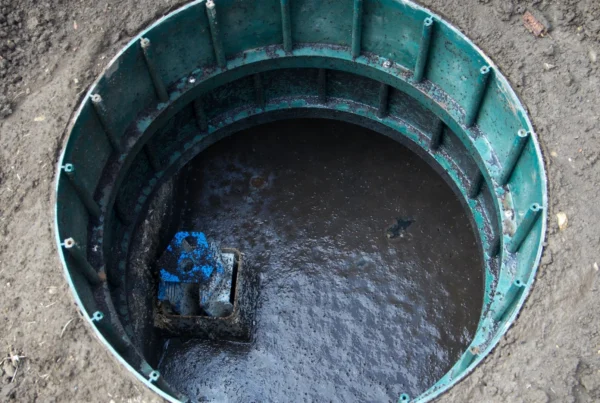
In lift stations and wet wells, the presence of oxidizing radicals helps maintain a slightly aerobic atmosphere at the liquid–air interface. This discourages the establishment of SRB colonies and minimizes the production of H2S gas beneath grease layers. Over time, the frequency of cleaning and odor control interventions decreases significantly.
A Florida municipality operating multiple neighborhood lift stations reported a 60% reduction in wet-well cleaning frequency within the first year of installing GOVAPEX systems, alongside complete elimination of odor complaints.
Operational Integration
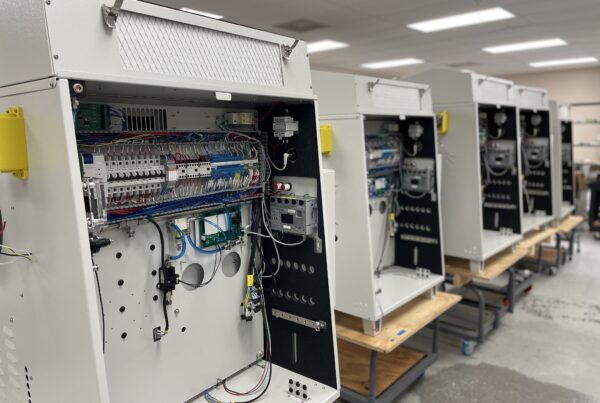
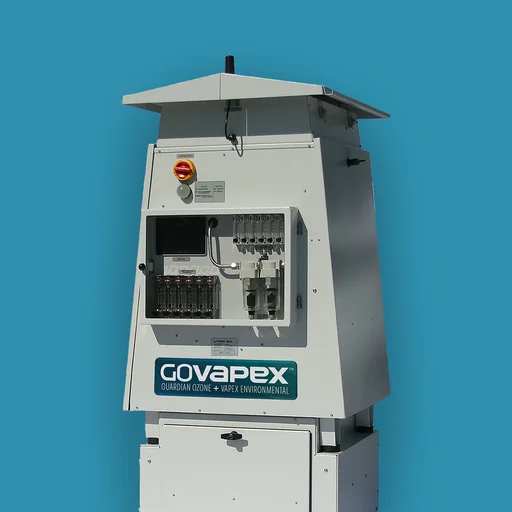
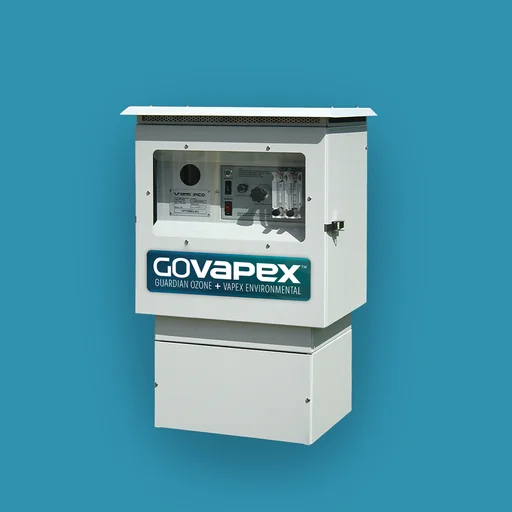
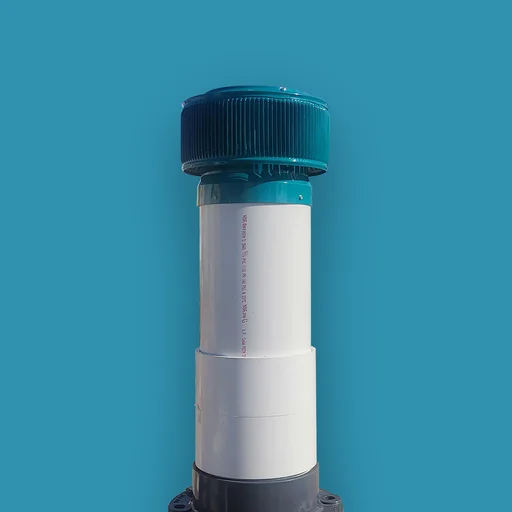
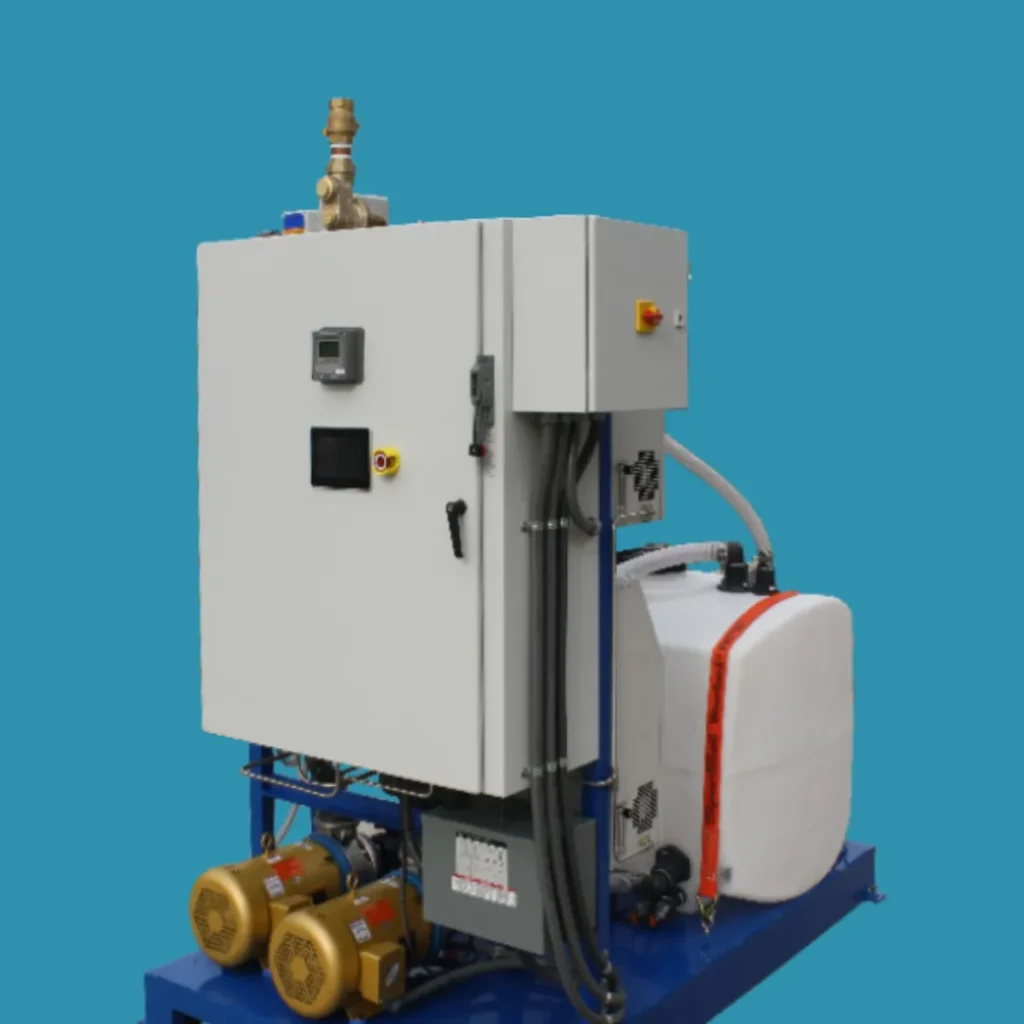
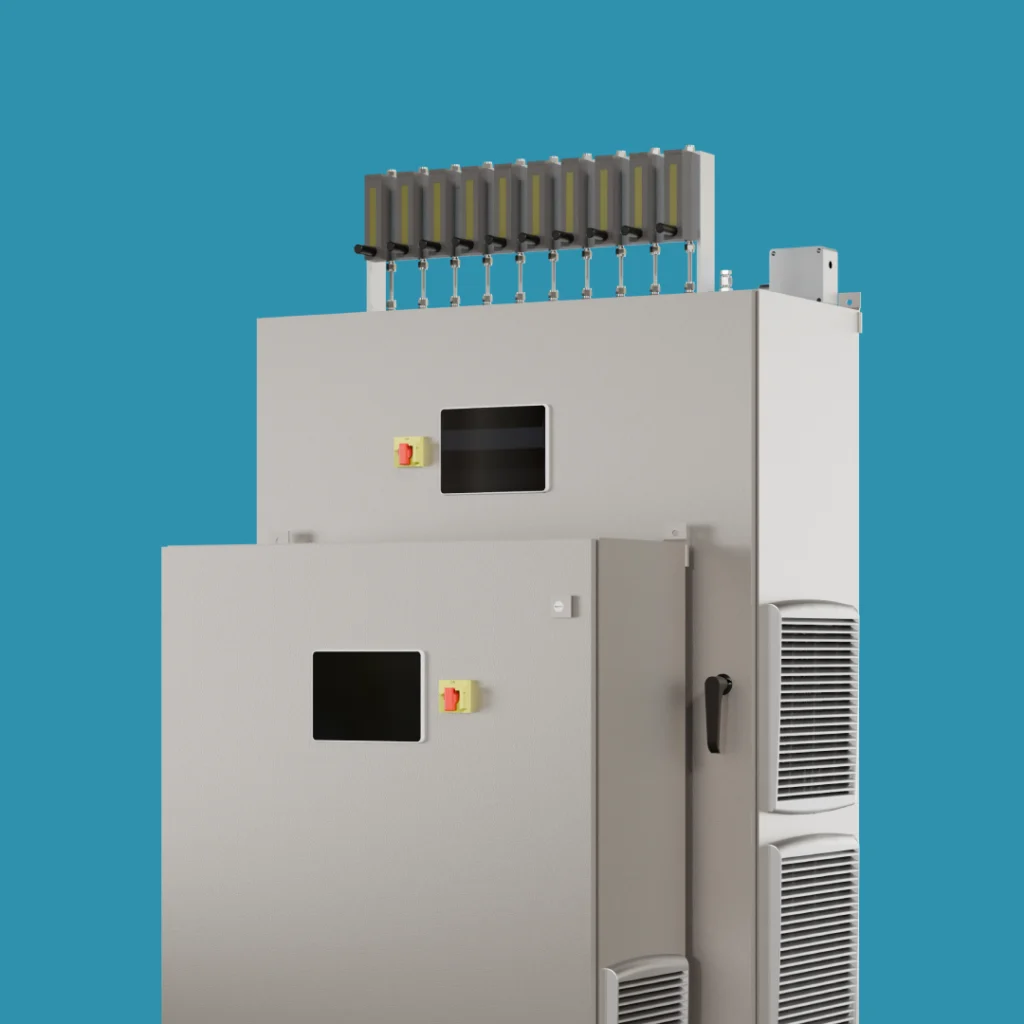
GOVAPEX systems can be installed directly at lift stations, headworks, or other FOG-prone sites. The skid-mounted configuration requires only air, water, and electrical supply. Once installed, the vapor-phase system continuously treats headspace air, ensuring constant oxidation of odorants and volatile compounds associated with grease decomposition.
Maintenance is minimal, operators typically perform monthly nozzle checks and visual inspections, eliminating the confined-space work associated with manual cleanouts or media changeouts.
Sustainability and Long-Term Impact
By replacing chemical treatment and minimizing maintenance truck rolls, GOVAPEX systems reduce the environmental footprint of FOG control. The process consumes only air and water, producing no hazardous waste or byproducts. In addition, reduced corrosion translates into extended infrastructure life, aligning with long-term asset management and sustainability goals.
Conclusion
FOG may begin as a minor operational nuisance, but its impacts, odor, corrosion, and maintenance costs, compound rapidly. Addressing the problem through proactive vapor-phase oxidation provides both immediate and long-term benefits. GOVAPEX technology eliminates odor at its source, reduces grease accumulation, and prevents the conditions that promote corrosion. For utilities seeking to reduce costs and complaints without chemicals, it represents a clear engineering solution.
- U.S. EPA (2003). Control of Odors and Emissions from Wastewater Treatment Plants, EPA/625/R-03/009.
- Water Environment Federation (2013). Collection Systems: Operation and Maintenance.
- U.S. EPA (2009). Reducing Fats, Oils, and Grease Discharges to the Sanitary Sewer System.