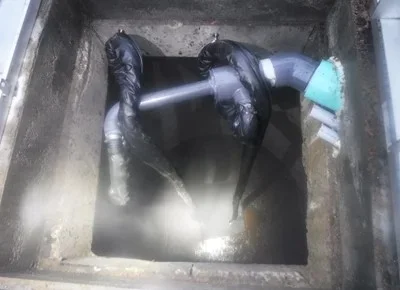

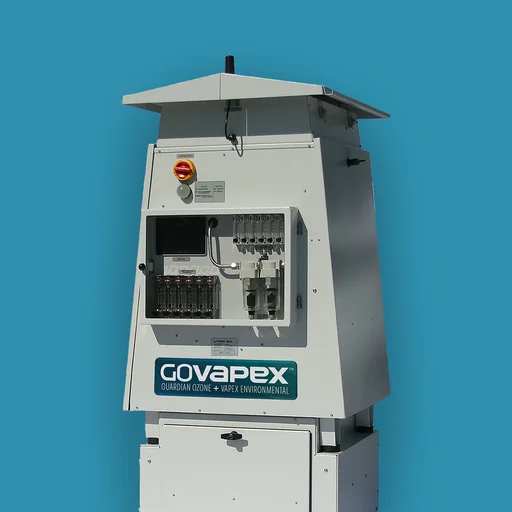
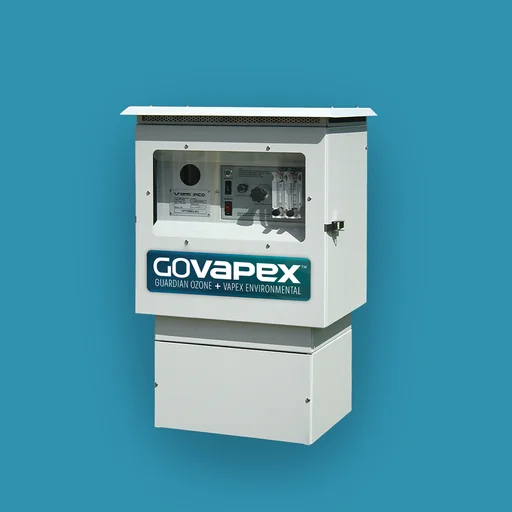
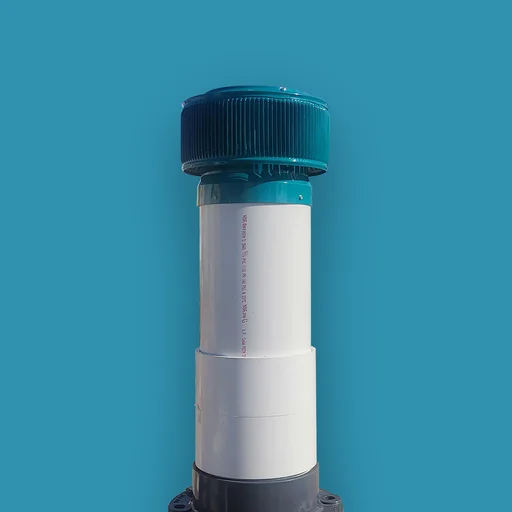
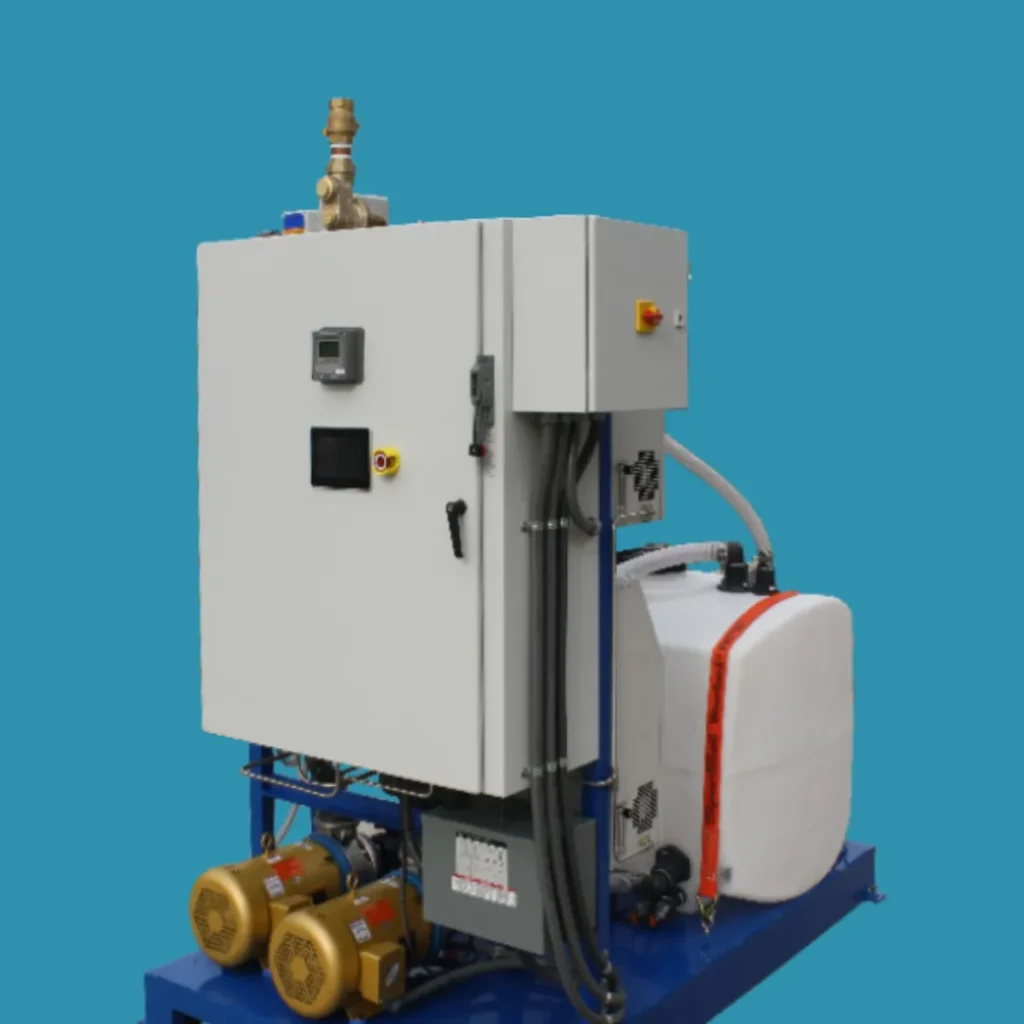
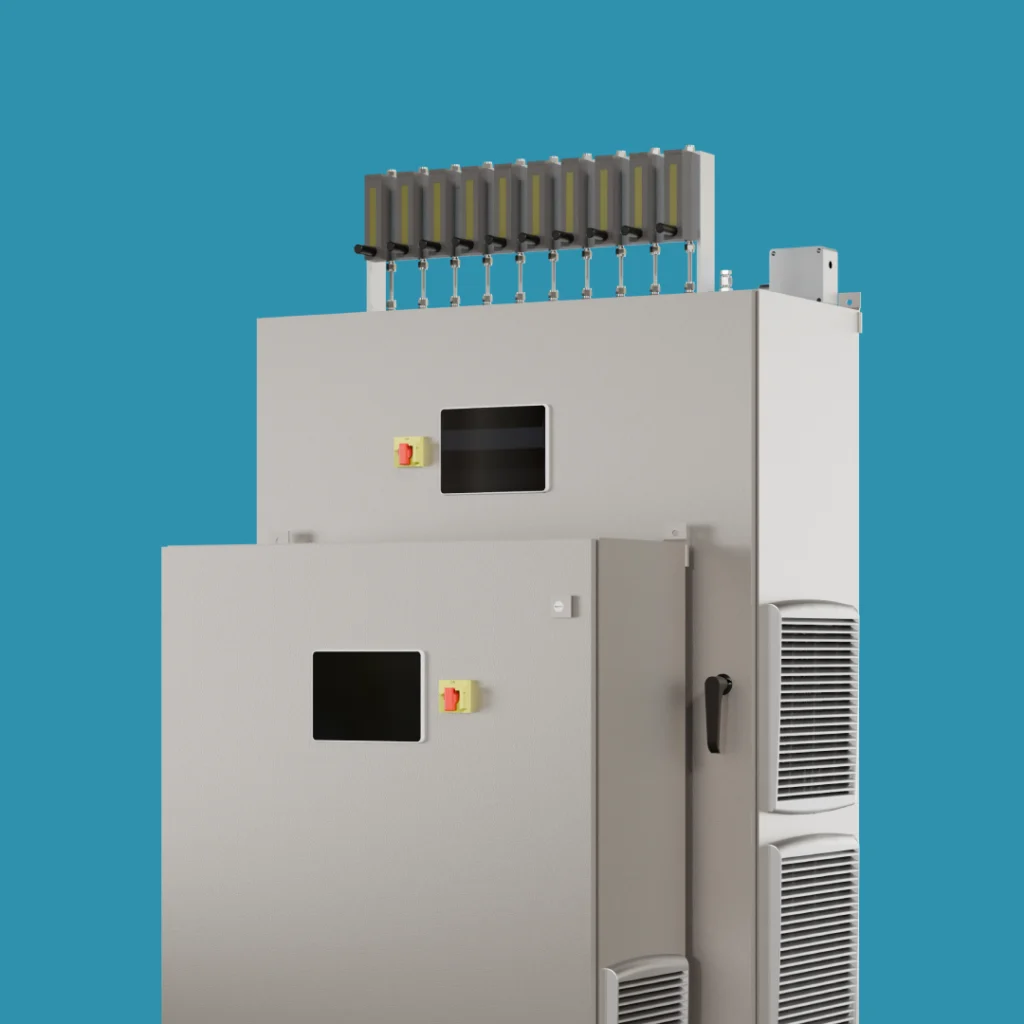
Temperature management defines ozone system performance. The corona discharge process that creates ozone from oxygen is exothermic, meaning heat is both a byproduct and a limiting factor. The challenge for system designers is simple: control temperature while maintaining reliability, efficiency, and uptime. Historically, this was done through water-cooling circuits, complex systems that added pumps, chillers, and plumbing. GOVAPEX reimagined this architecture. By developing a robust, air-cooled ozone generation platform, GOVAPEX delivers reliable oxidation performance with a fraction of the maintenance, footprint, and energy demand of traditional systems.
The Engineering Behind Ozone Generation
Ozone (O3) is generated when oxygen (O2) passes through a high-voltage electric field known as a corona discharge. The electrical energy splits oxygen molecules, allowing atomic oxygen to recombine as ozone. The process efficiency depends on four factors: voltage intensity, frequency, dielectric material, and, critically, temperature.
As discharge cells heat up, ozone yield decreases. At 40 °C, yield can drop by over 30% compared to standard 20°C operation. Early ozone generator designs relied on water jackets or external chillers to remove this heat. While effective, these systems created new issues: scaling, leaks, corrosion, and additional power demand.
GOVAPEX engineers solved this problem through a precision-controlled air-cooling design. High-efficiency fans, heat sinks, and intelligent temperature sensors keep the generator chamber within ±1.5 °C of the optimal range without auxiliary water systems. This mechanical simplicity translates into major reliability and cost advantages.
Comparative System Architecture
| Feature | Traditional Water-Cooled | GOVAPEX Air-Cooled |
| Cooling method | Chiller and water loop | Forced air convection |
| Maintenance | Pumps, filters, descaling | Fan inspection only |
| Leak potential | Moderate to high | None |
| Installation | Requires plumbing | Plug-and-play |
| Energy demand | High (pump + chiller) | Low (fans only) |
| Reliability | Sensitive to scaling, leaks | 99% uptime reported |
Field Performance: Case Example
In 2023, a Midwestern food-processing plant upgraded from a 10-year-old water-cooled ozone system to a GOVAPEX Sentry 150 g/hr air-cooled unit. The original system required monthly shutdowns for scaling removal in the cooling loop and used a 0.75 HP pump and 2-ton chiller for temperature control.
After conversion, operating parameters showed the following:
| Parameter | Legacy Water-Cooled | GOVAPEX Air-Cooled |
| Ozone production | 150 g/hr nominal | 150 g/hr nominal |
| Energy consumption | 7.6 kWh/lb O3 | 6.3 kWh/lb O3 |
| Maintenance frequency | Monthly | Quarterly |
| Downtime | 18 hrs/yr | <2 hrs/yr |
| O&M cost (annual) | $4,200 | $600 |
The facility realized a 35% energy reduction and virtually eliminated maintenance downtime. Operators also reported lower noise levels and easier system monitoring.
Thermal Efficiency and Control
In GOVAPEX air-cooled systems, temperature sensors embedded within the corona cell continuously feed data to the programmable logic controller (PLC). When discharge temperature approaches threshold limits, the control system modulates fan speed and adjusts power frequency automatically. This ensures consistent ozone output even under variable ambient conditions, a key advantage for decentralized installations without climate-controlled rooms.
Reliability in Real Environments
Municipal and industrial water treatment plants are often dusty, humid, and subject to vibration. Traditional water-cooled systems are sensitive to such conditions. GOVAPEX air-cooled generators are sealed to IP54 or better, with corrosion-resistant aluminum and stainless-steel housings. Fan filters are easily replaceable and designed for long service intervals. No internal water reduces electrical hazard and freeze risk for outdoor installations.
Simplicity in Integration
Air-cooled units also simplify design for engineers. Skid-mounted ozone systems from GOVAPEX arrive fully assembled, pre-wired, and factory-tested. Installation requires only electrical and process-gas connections, no chillers, plumbing, or glycol systems. This not only reduces first cost but also shortens commissioning time.
A Florida municipal reuse facility installed a GOVAPEX 200 g/hr air-cooled system in 2024. Commissioning took two days, compared with two weeks for their previous water-cooled system. Operator training was completed in under two hours.
Safety and Maintenance
Safety improves dramatically when water is removed from the electrical environment of ozone generation. There are no leaks, flooded electronics, or corrosion issues. Routine maintenance consists of filter replacement and visual inspection of fans and electrical terminals. Based on field records, annual maintenance takes less than four hours per system.
Energy and Lifecycle Cost Analysis
Lifecycle studies conducted by GOVAPEX engineering show that the total cost of ownership for air-cooled ozone systems is 25–40% lower than equivalent water-cooled units over 10 years. The savings are primarily due to energy efficiency and the absence of chiller service contracts.
In smaller applications (under 300 g/hr), air-cooled designs not only match but often outperform water-cooled systems in ozone yield due to optimized temperature control and lower parasitic load.
Conclusion
For mid-range ozone production, simplicity is superior. GOVAPEX air-cooled ozone systems achieve high stability and efficiency without the maintenance burden of water-based cooling. They reduce installation time, energy demand, and downtime while maintaining precision oxidation performance. For municipalities and industries looking to modernize aging systems, air-cooled by design means engineered reliability, built for the real world of water treatment.
References
- Rice, R.G. and Netzer, A. (1982). Handbook of Ozone Technology and Applications.
- U.S. EPA (1999). Ozone Applications for Municipal Wastewater Disinfection, EPA 832-F-99-063.
- Von Gunten, U. (2003). Ozonation of Drinking Water: Part I, Water Research, 37(7): 1443–1467.