
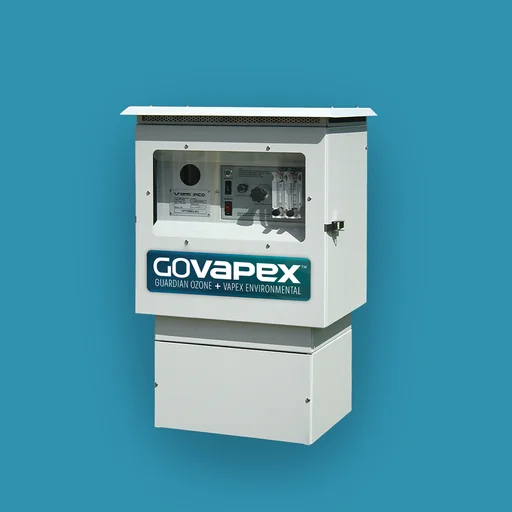
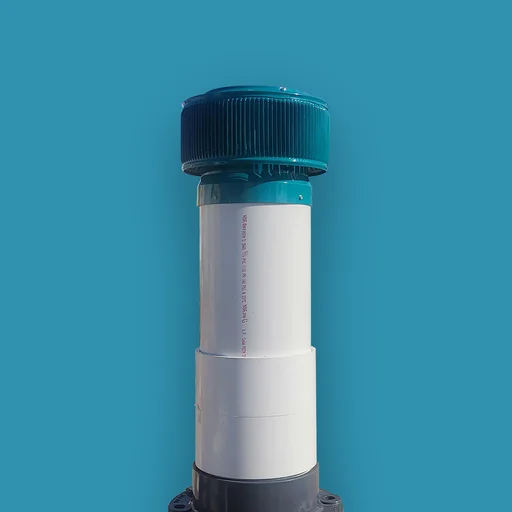
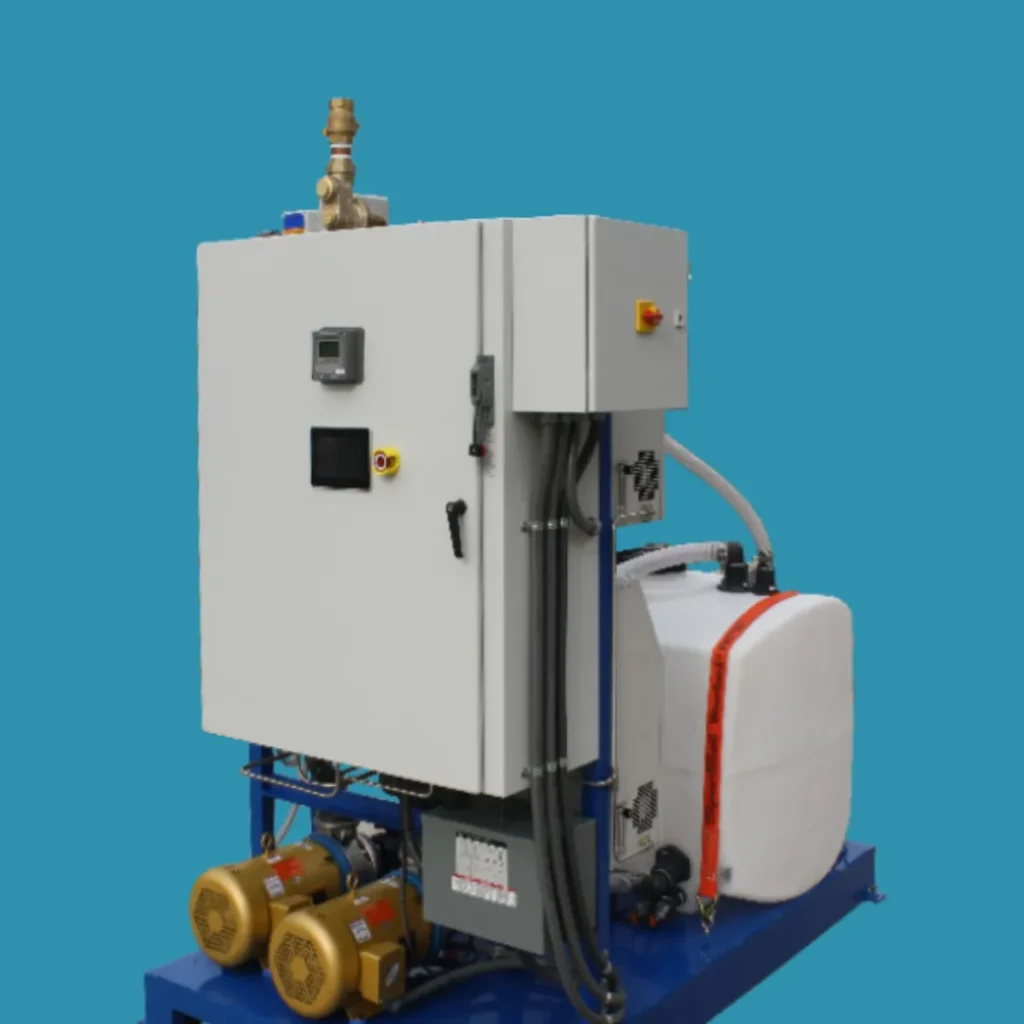
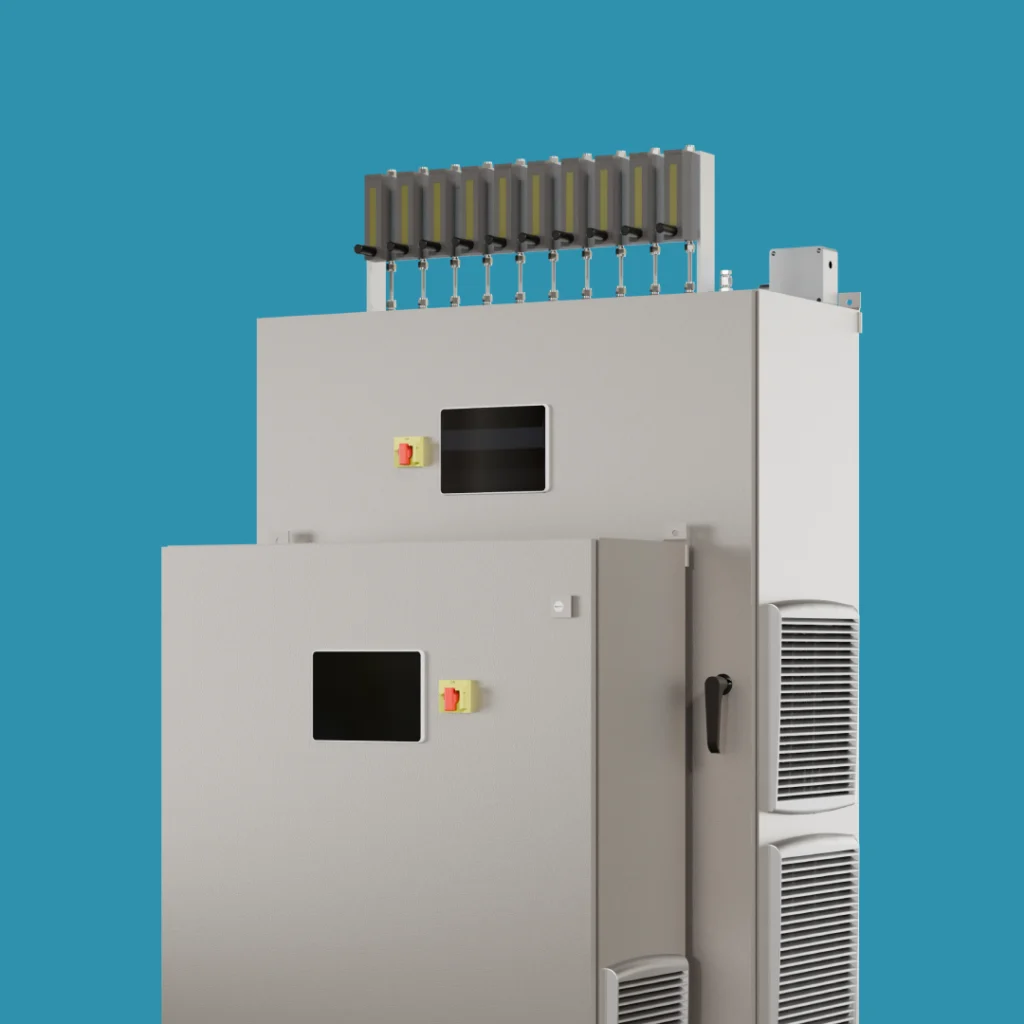

Microbially-induced corrosion (MIC) is a silent and destructive process that undermines the integrity of wastewater infrastructure worldwide. It is driven by hydrogen sulfide (H2S), a byproduct of anaerobic biological activity in sewers and treatment facilities. MIC can shorten the life of concrete structures from decades to a few years if not properly managed. GOVAPEX vapor-phase systems have proven to be one of the most effective solutions for preventing MIC by addressing the source of the problem, H2S itself.
Understanding the MIC Process
In the absence of oxygen, sulfate-reducing bacteria (SRB) thrive on organic substrates in wastewater, producing dissolved sulfides. These sulfides release as H2S gas in turbulent zones such as wet wells, manholes, and force main discharges. In the moist headspace above the flow, sulfur-oxidizing bacteria (SOB), including Thiobacillus species, oxidize H2S into sulfuric acid (H2SO4). The acid aggressively attacks the calcium hydroxide in concrete, forming gypsum and ettringite, which expand and crack the material.
This process, known as the biogenic sulfuric acid cycle, can degrade 1–5 mm of concrete annually. Steel components are equally vulnerable, suffering pitting corrosion accelerated by the acidic environment. The result is premature failure of structures designed for 75–100 years of service.
The Limitations of Chemical Solutions
Historically, utilities have relied on nitrate dosing, iron salts, or pH adjustment to suppress SRB activity. While these methods can reduce H2S formation, they are expensive and operationally demanding. Continuous dosing requires bulk chemical storage, pumps, and strict monitoring. Moreover, chemicals treat the liquid phase but do not eliminate H2S once it enters the headspace, where corrosion actually occurs.
The GOVAPEX Approach: Vapor-Phase Oxidation
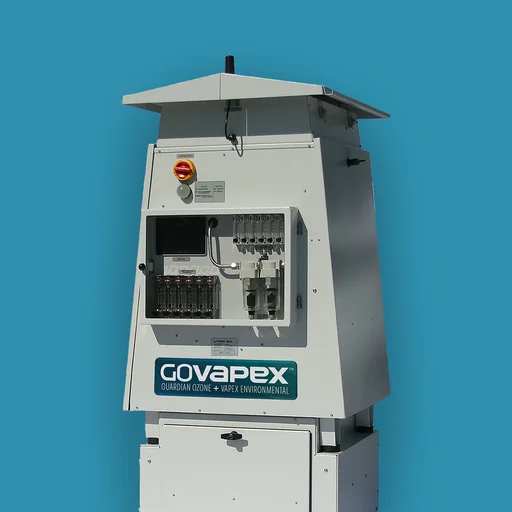
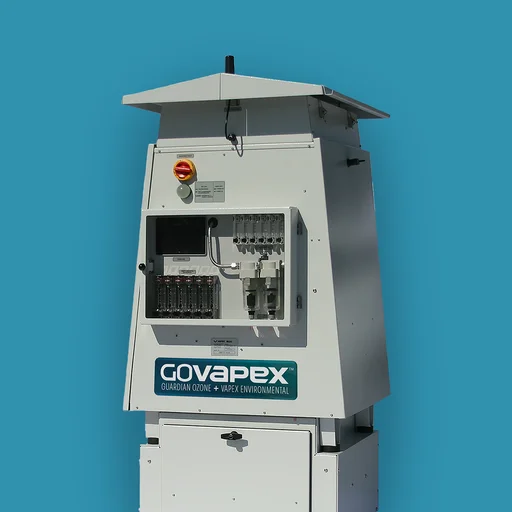
GOVAPEX systems prevent MIC by oxidizing H2S in the vapor phase before it can react to form acid. Ozone and hydroxyl radicals are generated from air and water and introduced into the headspace through atomizing nozzles. These oxidants react instantly with H2S, converting it into sulfate, water, and oxygen.
The chemistry is straightforward:
SO2 + O3 → SO3 + O2
SO3 + H2O → H2SO4
By completing this oxidation chain in the airspace, GOVAPEX systems stop acid formation on structural surfaces. Continuous operation keeps H2S concentrations well below the 0.1 ppmv corrosion threshold recommended by the EPA.
Case Study: Coastal Sewer Rehabilitation
A coastal city in the Southeast U.S. faced severe crown corrosion in multiple interceptor manholes. Coupon tests revealed up to 4 mm/year of material loss. After installing GOVAPEX vapor-phase units, H2S concentrations fell from 80 ppmv to less than 0.2 ppmv within 48 hours. One year later, follow-up inspections found no new corrosion, and surface pH readings had stabilized above 8.5, indicating neutral conditions.
Operational Advantages
- Non-invasive installation: No modifications to hydraulic systems or chemical tanks.
- Low maintenance: No reagents to replenish; monthly nozzle checks only.
- Safety improvement: Eliminates chemical handling and confined-space exposure.
- Extended infrastructure life: Reduces corrosion, coating failure, and structural rehabilitation costs.
Long-Term Cost Savings
The financial impact of corrosion extends beyond direct repair. A study by the American Concrete Institute estimates annual MIC-related rehabilitation costs in North America exceed $1 billion. By addressing H2S in the airspace, GOVAPEX offers one of the few solutions that reduce both odor and corrosion simultaneously, yielding a measurable return on investment.
Conclusion
MIC control begins with H2S elimination. GOVAPEX vapor-phase systems achieve this through precise oxidation, safeguarding concrete, steel, and coatings from sulfuric acid attack. The result is a sustainable, chemical-free method for corrosion prevention and odor control, ensuring that sewer infrastructure reaches its intended design life.
- U.S. EPA (1991). Hydrogen Sulfide Corrosion in Wastewater Collection and Treatment Systems.
- Water Environment Federation (2017). MOP 25: Odor Control in Wastewater Treatment Plants.
- Mori, T. et al. (1992). “Microbial Corrosion of Concrete Sewer Pipes,” Water Research, 26(4): 341–347.