
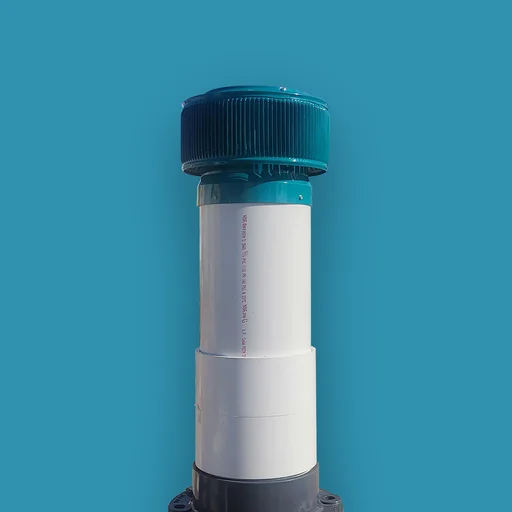
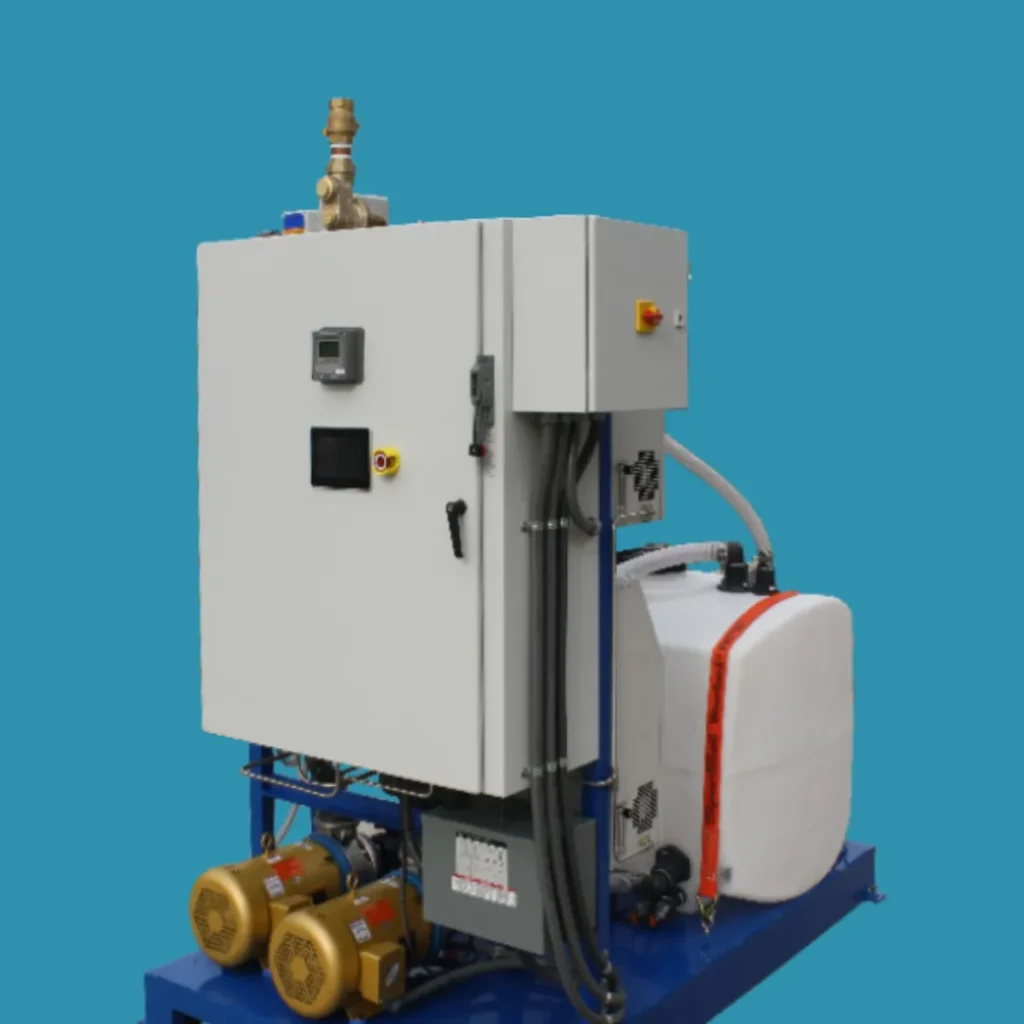
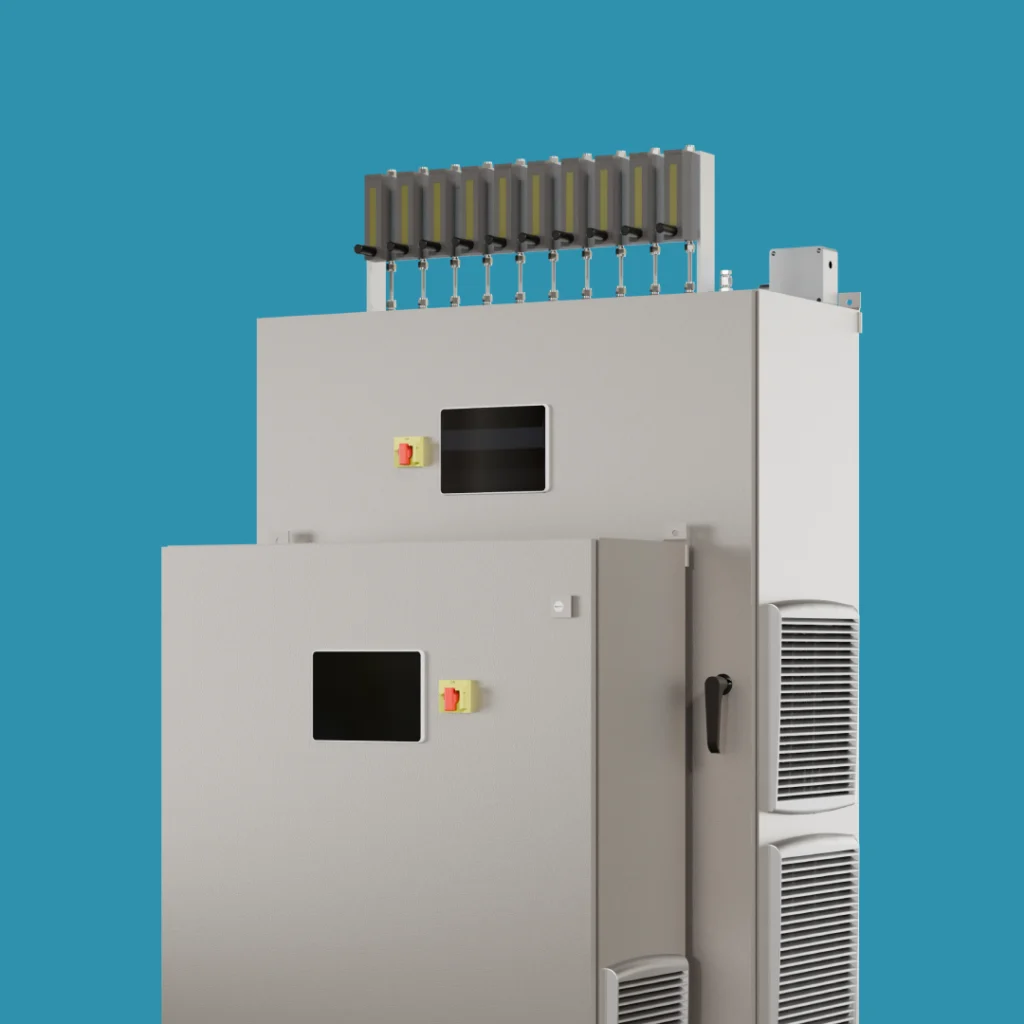
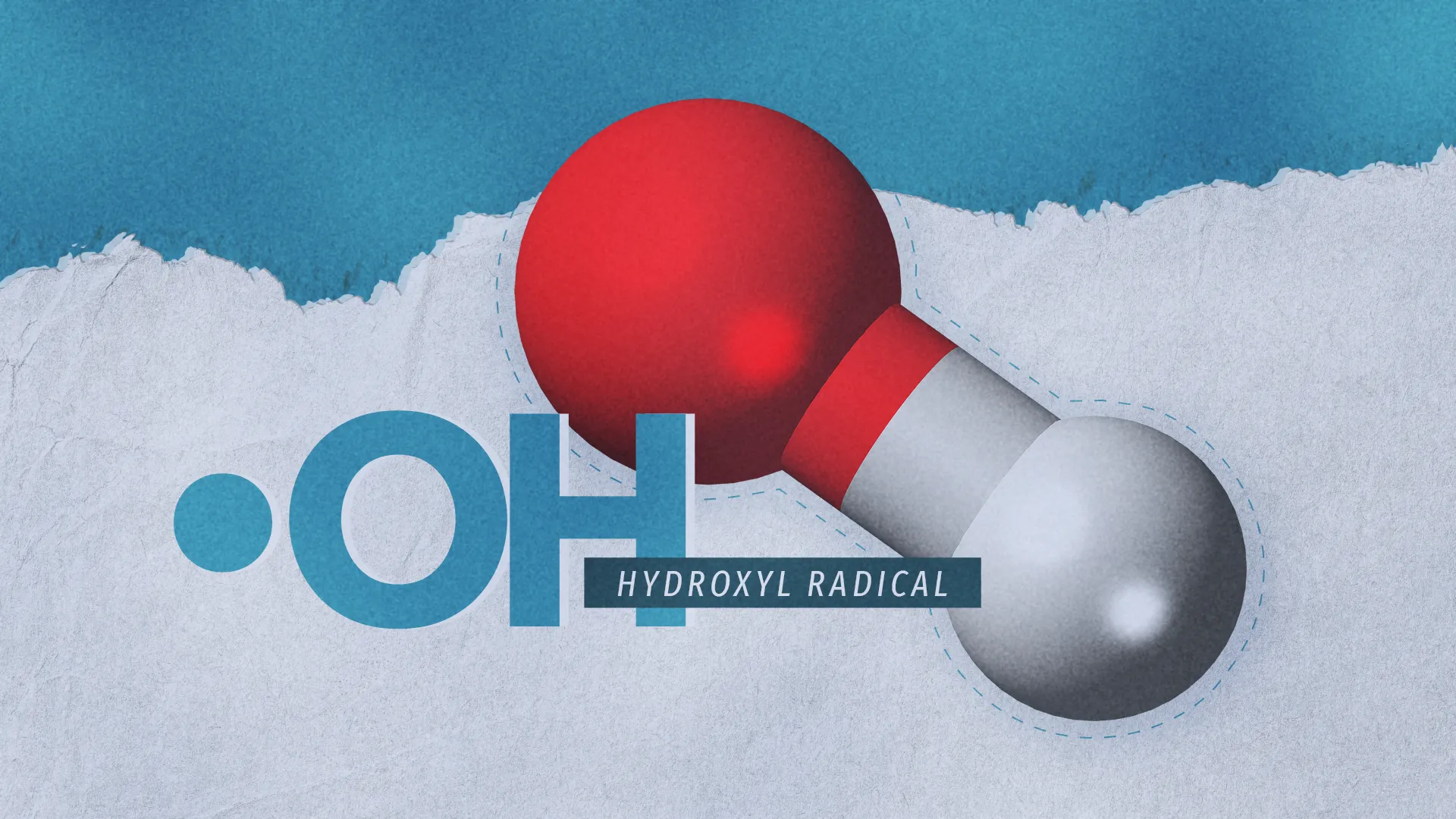
Odor control in wastewater systems has historically been a difficult balance between chemistry, cost, and practicality. For decades, utilities have relied on masking agents, chemical scrubbers, or carbon systems to mitigate hydrogen sulfide (H2S) and volatile organic compounds (VOCs). These systems often move the problem rather than eliminate it. In contrast, GOVAPEX’s vapor-phase odor control systems use advanced oxidation chemistry to eliminate odor-causing compounds at the molecular level. The key lies in hydroxyl radicals (•OH), nature’s most powerful oxidizing species.
The Chemistry Behind Hydroxyl Radicals
Hydroxyl radicals are short-lived but extraordinarily reactive molecules formed when ozone (O3) interacts with water. With an oxidation potential of 2.8 volts, surpassing even ozone (2.07 V) and chlorine (1.36 V), •OH reacts almost instantaneously with most reduced sulfur and organic compounds. In the atmosphere, hydroxyl radicals are often called “nature’s detergent” because they initiate the breakdown of pollutants.
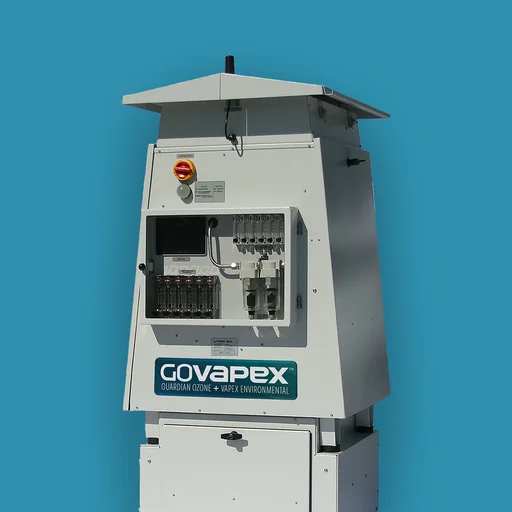
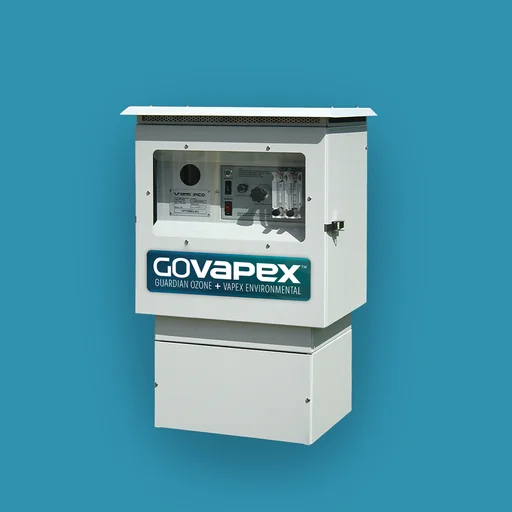
In a GOVAPEX system, this same chemistry is replicated in a controlled, engineered process. Ozone generated from ambient air passes through an atomized water mist produced by patented nozzle technology. At the gas–liquid interface, ozone decomposes into hydroxyl radicals through a sequence of reactions involving hydroperoxide intermediates and trace hydrogen peroxide formation. This is known in the oxidation field as a peroxone-like mechanism, commonly applied in advanced oxidation processes (AOPs) for water treatment.
Reaction Pathways for Odor Destruction
Hydrogen sulfide remains the most critical odorant in wastewater headspace. When exposed to hydroxyl radicals, H2S is rapidly oxidized to sulfate (SO42-), elemental sulfur (S), or thiosulfate (S2O32-), depending on local humidity and reaction time. Similar pathways exist for other reduced sulfur species like mercaptans (R–SH) and organic sulfides.
Hydroxyl radicals also react efficiently with amines, aldehydes, and VOCs that contribute to odor intensity and health risks. Reaction products are oxygen, water, and carbon dioxide, compounds already abundant in the atmosphere.
Engineering Implications for Municipal Odor Control
From an engineering standpoint, hydroxyl radical generation offers three major benefits:
- Reaction completeness – Oxidation occurs in microseconds, ensuring near-total conversion of odorants.
- Operational simplicity – The system requires only air, water, and power, no chemicals or complex dosing control.
- Environmental compatibility – By-products are harmless, and no secondary waste is created.
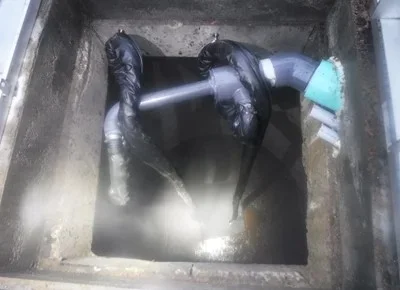
Field measurements at lift stations and headworks sites where GOVAPEX units have been installed show H2S reductions from concentrations as high as 1000 ppmv to less than 0.1 ppmv within minutes. Operators report significant decreases in odor complaints and corrosion rates, aligning with WEF’s guidance that odor control should integrate both community response and infrastructure protection.
System Design Considerations
Designing for effective vapor-phase oxidation requires controlling three main parameters: ozone concentration, droplet size, and residence time. GOVAPEX engineers optimize these through computational fluid dynamics (CFD) modeling and on-site tuning. Patented atomizing nozzles produce droplets with consistent size distribution to maximize gas–liquid contact, while air handling systems ensure uniform dispersion throughout the odor space.
Conclusion
Hydroxyl radicals represent the most advanced oxidation technology available for municipal odor control. By safely harnessing these species through precision-engineered vapor-phase systems, GOVAPEX delivers consistent, chemical-free, and environmentally responsible odor elimination.
References
- Water Environment Federation (2017). Odor Control in Wastewater Treatment Plants, MOP 25.
- Glaze, W.H. et al. (1987). “The Chemistry of Water Treatment Processes Involving Ozone and Hydrogen Peroxide,” Ozone: Science & Engineering, 9(4): 335–352.
- U.S. EPA (1991). Hydrogen Sulfide Corrosion in Wastewater Collection and Treatment Systems.