

Odor control is often discussed in terms of community complaints, nuisance reduction, and regulatory compliance. While those are important, they do not tell the full story. In wastewater collection and treatment systems, odor control is also a worker safety issue.
Hydrogen sulfide, mercaptans, ammonia, and other reduced compounds are not just unpleasant. At elevated concentrations, they can create hazardous work environments, increase confined space entry risk, and make routine maintenance more difficult. For municipal and industrial wastewater operators, controlling odor at the source can directly improve daily working conditions and reduce exposure risk.
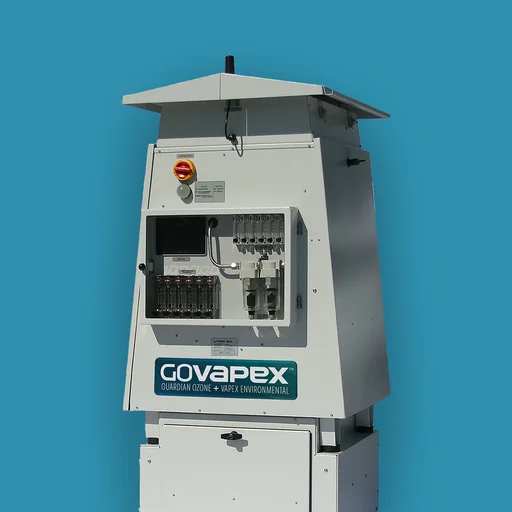
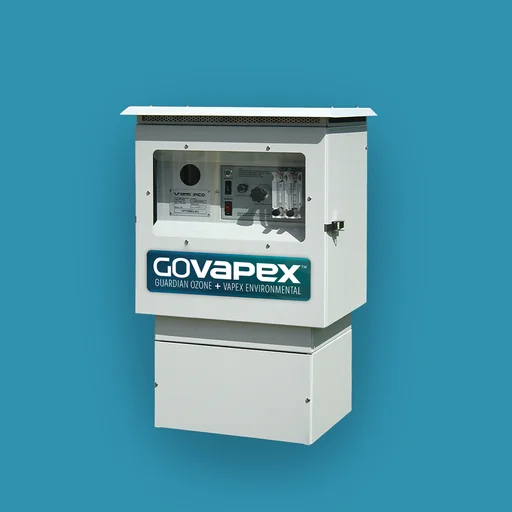
For GOVAPEX, this is an important part of the value proposition. VAPEX systems are designed to treat hydrogen sulfide and odor compounds in the airspace, where operators are most likely to encounter them during inspections, maintenance, and equipment service.
The Safety Problem Behind Odor
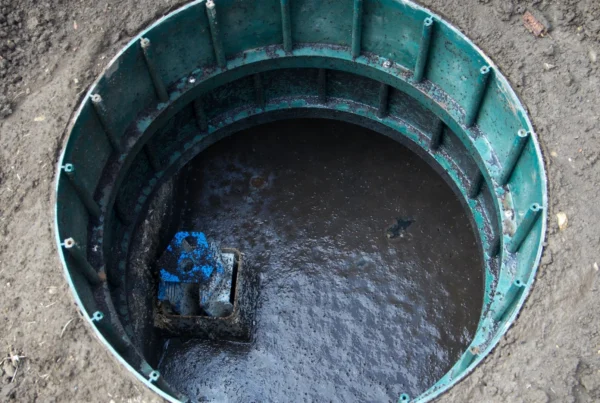
Hydrogen sulfide is one of the most recognized hazards in wastewater systems. It is produced under anaerobic conditions when bacteria break down organic matter and sulfate in the wastewater. Once released into the airspace, H₂S can accumulate in wet wells, manholes, force main discharge structures, splitter boxes, and headworks areas.
At low concentrations, H₂S is associated with the familiar rotten egg smell. At higher concentrations, it can irritate the eyes and respiratory system, impair smell detection, and create serious health hazards. The danger is that odor detection is not a reliable safety method. Operators can become desensitized to H₂S, and at high levels the sense of smell can disappear altogether.
This is why utilities rely on gas monitors, confined space procedures, and ventilation requirements. However, these procedures do not eliminate the source of the hazard. They manage exposure after the hazard already exists.
Where Operators Encounter H₂S
Operators are most likely to encounter hydrogen sulfide during routine work at decentralized wastewater assets.
Common exposure points include:
- Opening lift station hatches
• Inspecting wet wells
• Cleaning floats or level sensors
• Servicing pumps and guide rails
• Entering or working near headworks structures
• Checking force main discharge points
• Performing carbon or media changeouts
In many of these situations, workers are exposed to headspace air that has accumulated H₂S over time. Even when entry is not required, opening a hatch can release a concentrated plume of gas.
The more frequently operators need to inspect, clean, or maintain odor control equipment, the more often they are exposed to these environments.
Why Traditional Odor Control Can Add Safety Burden
Traditional odor control technologies can be effective, but they may also introduce additional operational safety considerations.
Activated Carbon Systems
Carbon systems require media changeouts. Depending on system design, this can involve handling spent media, opening vessels, working near odorous air streams, or coordinating third-party removal. In high H₂S environments, spent media can carry odor and exposure concerns.
Carbon systems may also experience breakthrough, where H₂S passes through saturated media. If breakthrough occurs unexpectedly, operators may encounter hazardous or unpleasant conditions during normal inspections.
Chemical Scrubbers
Chemical scrubbers introduce chemical handling into the odor control process. Operators may need to manage caustic, bleach, acid, or other reagents depending on system design. This requires PPE, chemical storage procedures, spill planning, and routine instrumentation checks.
For utilities already facing staffing constraints, the added safety and training burden can be significant.
Confined Space Cleaning
When odor control does not effectively treat the source, wet wells and related structures may require more frequent cleaning due to grease, solids, and corrosive buildup. This increases the number of times operators or contractors must work near or inside confined spaces.
How VAPEX Supports Safer Operations
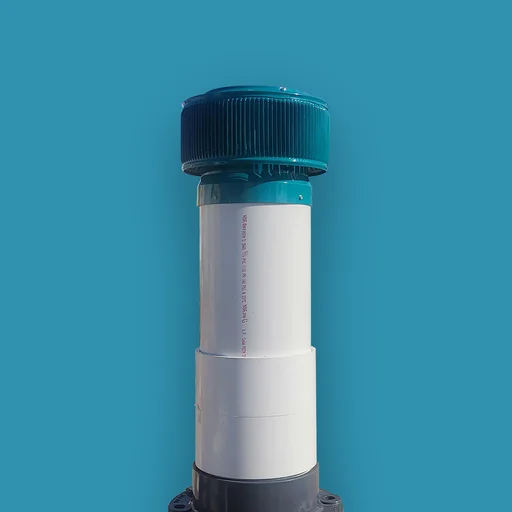
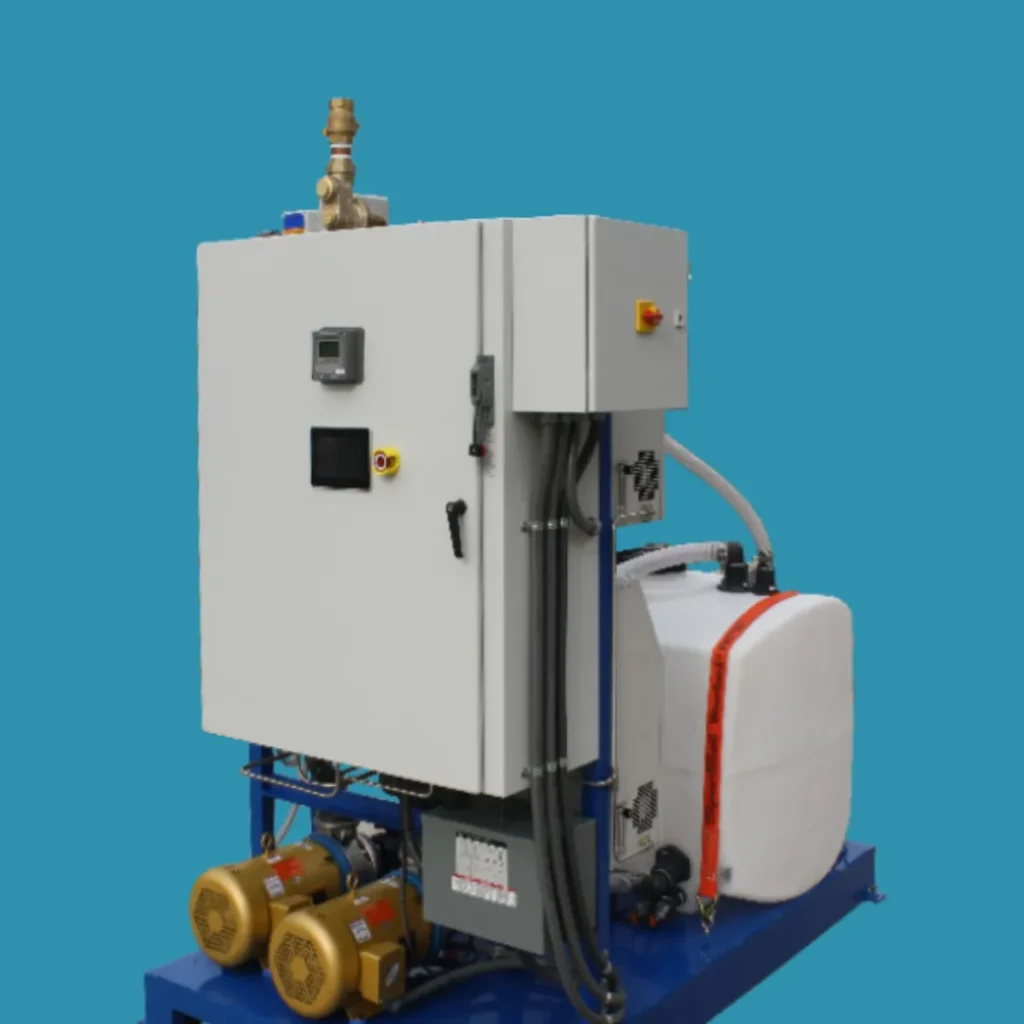
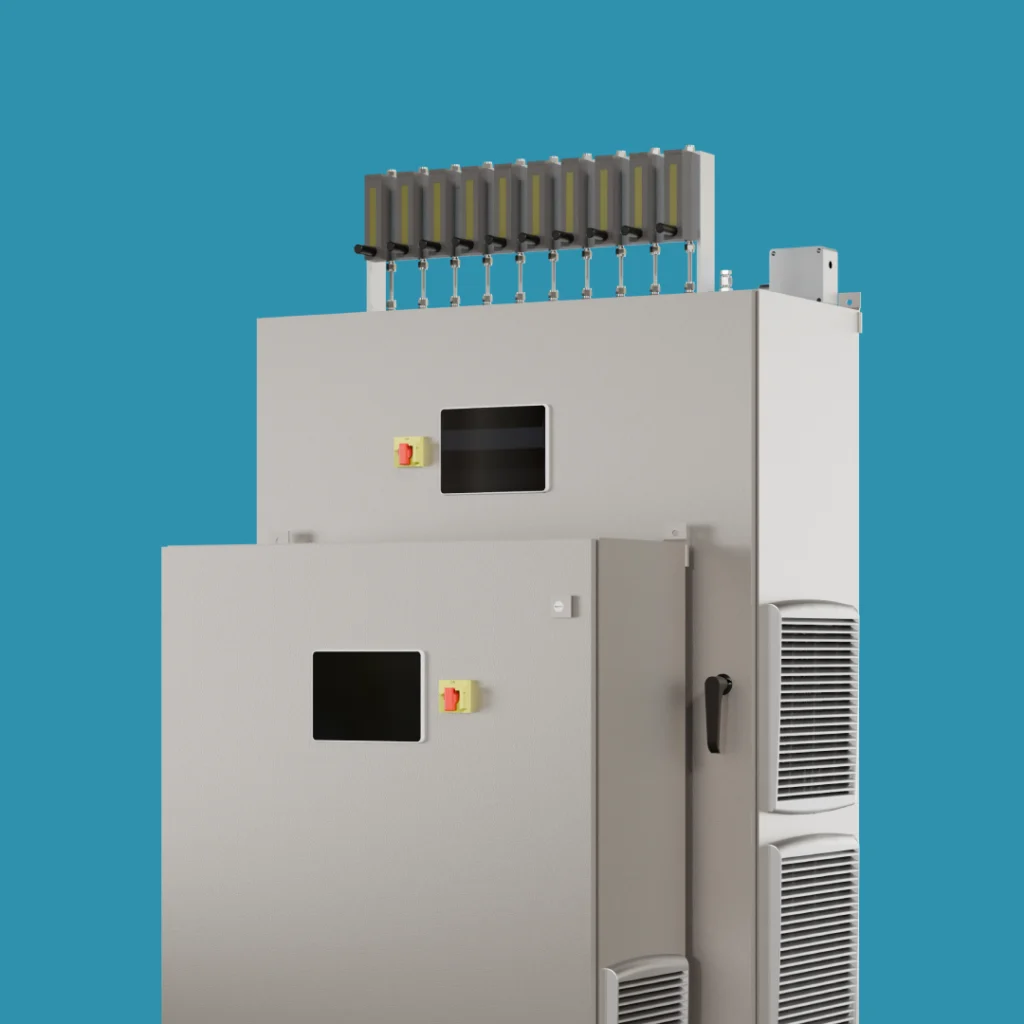
VAPEX systems from GOVAPEX are designed to reduce operator burden by treating odor compounds directly in the airspace. The system uses vapor-phase oxidation to reduce hydrogen sulfide and other odor-causing compounds before they accumulate or escape.
This supports safety in several ways.
Reduced H₂S in the Headspace
By continuously oxidizing H₂S in the airspace, VAPEX helps reduce the concentration operators encounter when opening hatches or inspecting equipment. Lower airspace concentrations improve working conditions and reduce exposure potential.
No Bulk Chemical Handling
VAPEX does not rely on chemical deliveries or chemical storage at the site. This removes a major operational safety burden compared with scrubbers or liquid chemical programs.
Reduced Maintenance Frequency
With no carbon media to replace and no scrubber chemistry to manage, maintenance activities are simplified. Operators can focus on routine inspection rather than frequent consumable handling.
Better Conditions for Routine Work
When odor and H₂S are controlled, routine site checks become less unpleasant and less disruptive. This is especially important for utilities managing many remote lift stations or collection system assets.
Odor Control and Confined Space Risk
Odor control does not replace confined space procedures. Operators must still follow all applicable OSHA, local, and utility-specific safety protocols before entering wet wells, vaults, or other confined spaces.
However, effective odor control can reduce the likelihood that a structure will develop severe headspace conditions between inspections. It can also support safer pre-entry conditions by reducing the baseline concentration of H₂S.
A practical way to view this is:
- Confined space procedures protect workers during entry
• Gas monitors warn workers of hazardous conditions
• Ventilation helps manage exposure during work
• Odor control reduces the formation and accumulation of the hazard over time
These are complementary layers of protection.
Field Example: Lift Station Maintenance Conditions
A municipal utility operating several neighborhood lift stations experienced recurring operator complaints about H₂S exposure during hatch inspections. Measured H₂S levels at one site ranged from 35 to 90 ppmv depending on pumping cycle and time of day.
The utility installed a VAPEX system to treat the wet well airspace continuously. After startup, routine monitoring showed H₂S levels consistently below 1 ppmv during normal operating conditions. Operators reported improved working conditions during hatch openings and fewer odor-related maintenance disruptions.
The primary project driver was odor complaints, but the operational benefit was improved safety and site accessibility.
Safety as a Lifecycle Value
When utilities evaluate odor control systems, they often compare capital cost, operating cost, and removal performance. Safety should also be part of the lifecycle calculation.
A system that reduces chemical handling, minimizes media changeouts, lowers H₂S exposure, and reduces confined-space-related maintenance has value beyond direct cost savings. It improves workforce conditions and reduces operational risk.
For many utilities, this matters as much as odor complaint reduction.
Questions Engineers Should Ask
When evaluating odor control technologies, engineers and operators should consider:
- Does this system reduce H₂S where operators are exposed?
- Does it introduce chemical handling requirements?
- Does it require frequent media replacement?
- Does it increase or reduce confined space-related work?
- Can operators maintain it safely with current staffing?
- Does the system support long-term safety and reliability?
These questions help shift odor control selection from equipment comparison to risk reduction.
Conclusion
Odor control is not only about nuisance odor or community response. In wastewater systems, odor control is also about operator safety.
Hydrogen sulfide and other odor compounds create challenging working conditions and increase exposure risk during routine maintenance. Technologies that reduce H₂S in the airspace, eliminate chemical handling, and minimize maintenance burden can directly improve operator safety.
VAPEX systems from GOVAPEX support this objective by treating odor compounds at the source, helping utilities protect both infrastructure and the people responsible for maintaining it.