
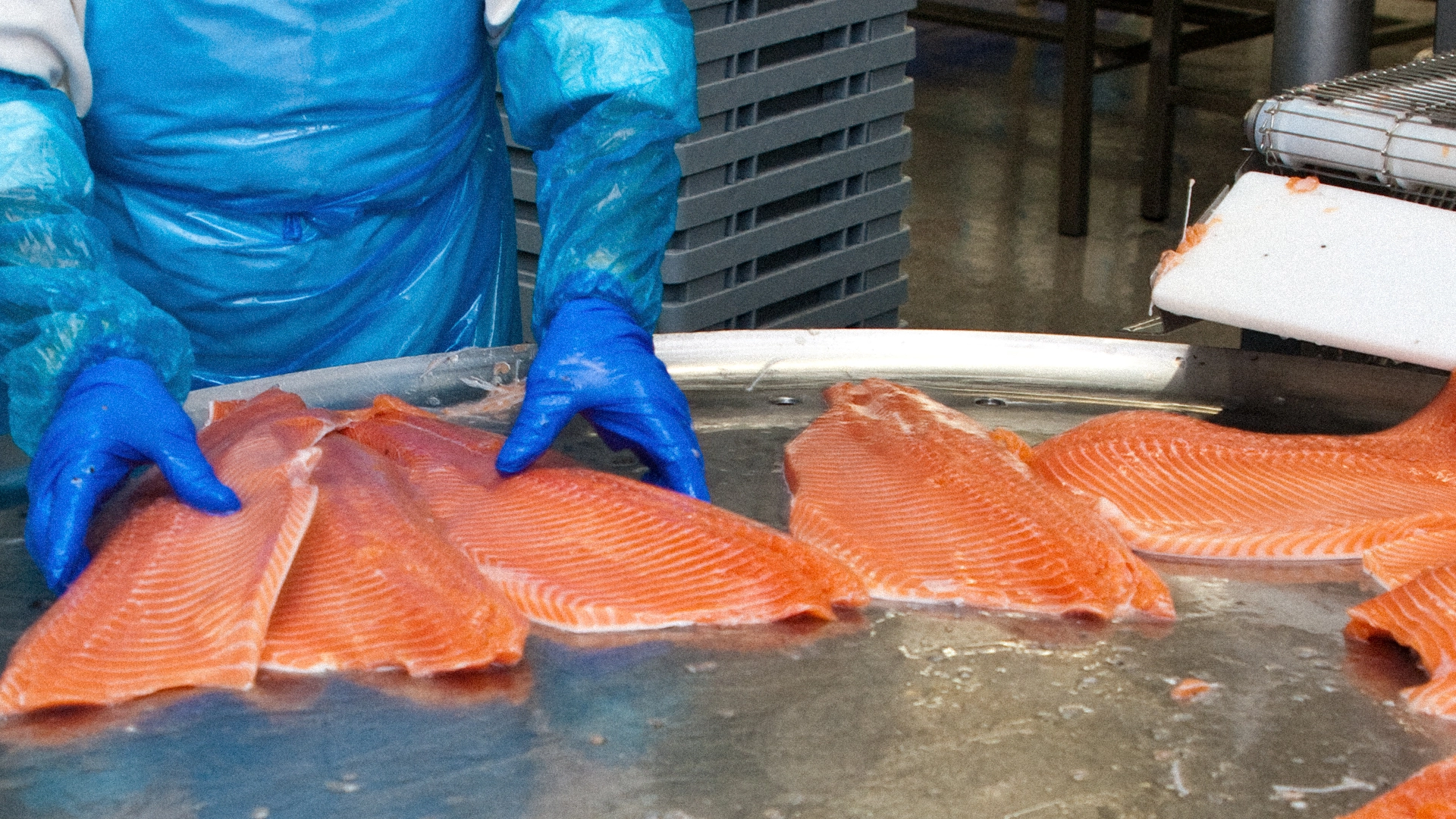
Seafood processing plants operate under strict sanitation and environmental standards. From washing raw fish to cleaning processing equipment and managing wastewater discharge, facilities must maintain high levels of microbial control while minimizing chemical usage and environmental impact.
Traditional sanitation programs often rely heavily on chlorine, peracetic acid, or other chemical disinfectants. While these chemicals can be effective, they also introduce challenges related to safety, chemical handling, corrosion, and wastewater treatment.
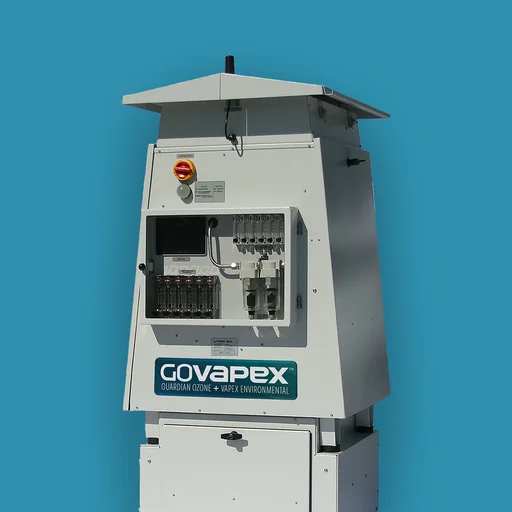
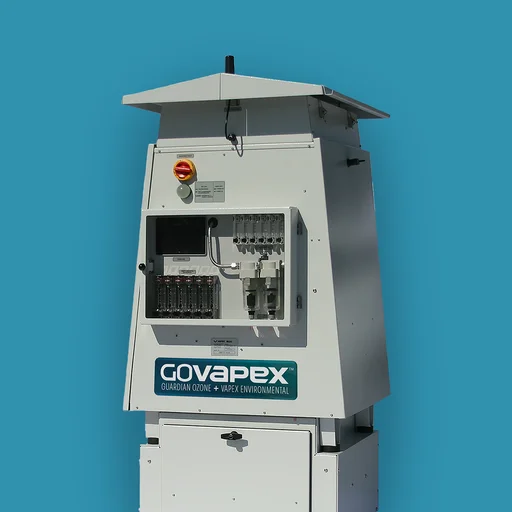
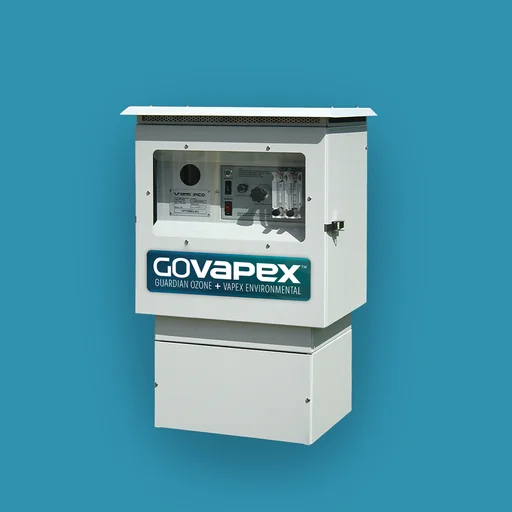
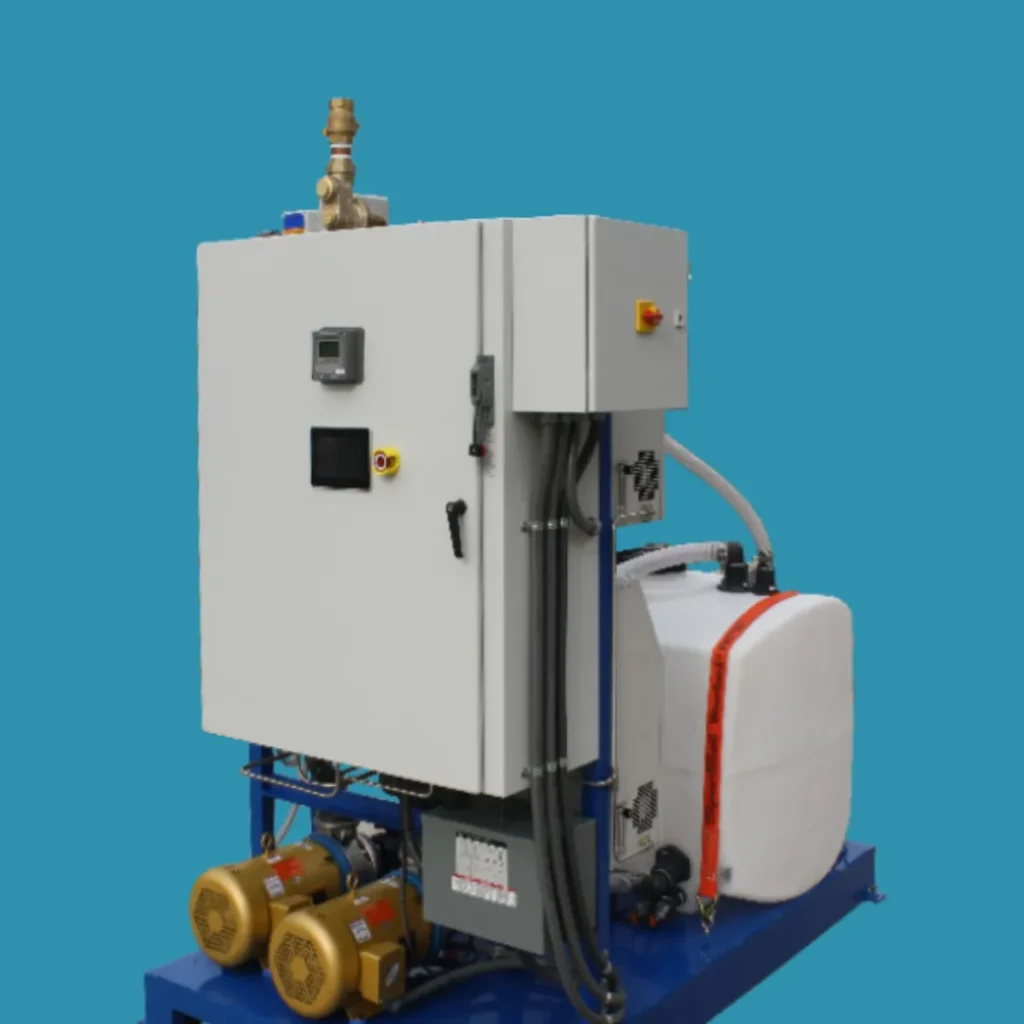
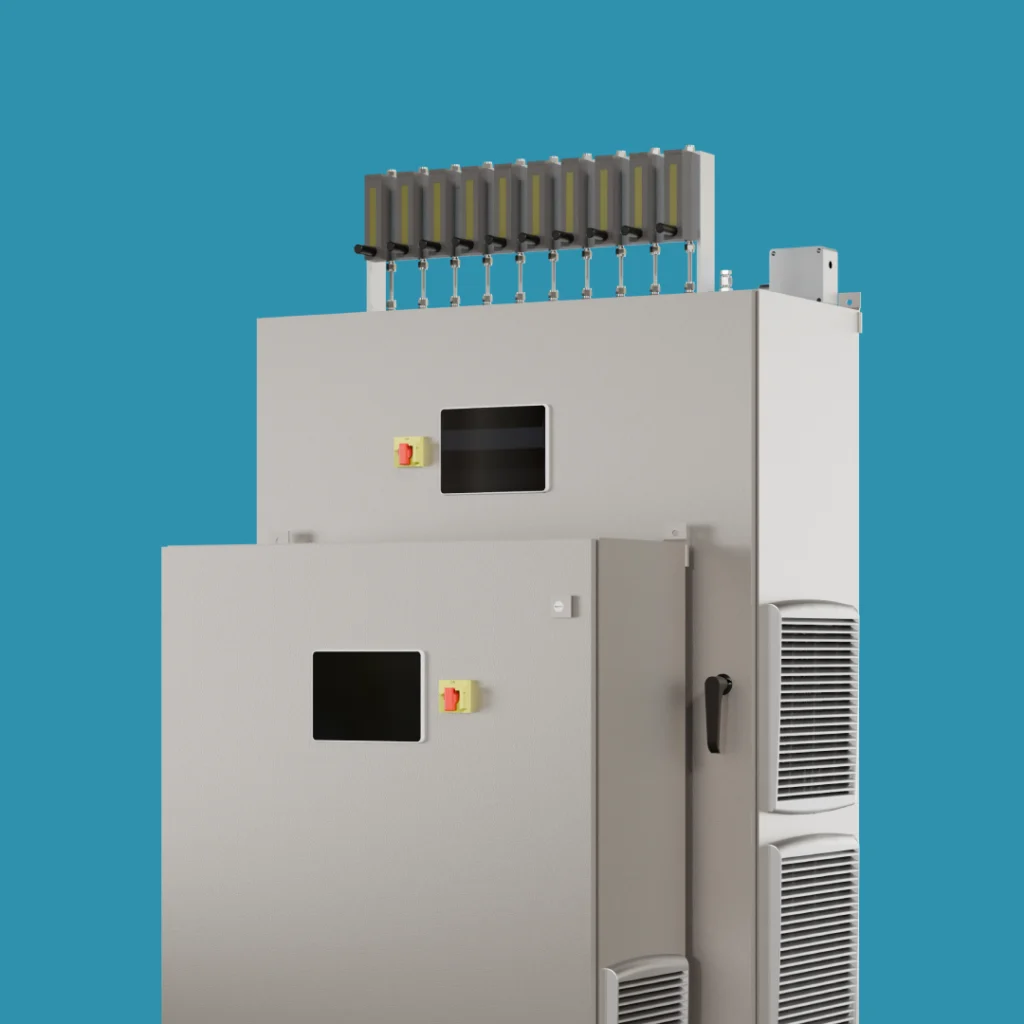
Ozone-based oxidation systems are increasingly being adopted in seafood processing facilities as an alternative or complementary technology. Systems such as those developed by GOVAPEX provide powerful oxidation capabilities that support sanitation, improve water reuse potential, and enhance wastewater treatment performance.
Why Seafood Processing Requires Advanced Sanitation
Seafood products are highly perishable and susceptible to microbial growth. Processing environments must control pathogens such as:
- Listeria monocytogenes
- Vibrio species
- Salmonella
- E. coli
To manage these risks, seafood processors wash raw products, sanitize equipment surfaces, and frequently clean processing lines. These operations generate large volumes of water containing:
- Organic proteins
- Fish oils and fats
- Suspended solids
- High biological oxygen demand (BOD)
Without proper treatment, these wastewater streams can overwhelm pretreatment systems and increase discharge compliance costs.
How Ozone Works as an Oxidation and Disinfection Technology
Ozone (O3) is one of the strongest oxidizing agents available for industrial water treatment. When introduced into water, ozone reacts rapidly with organic compounds, microorganisms, and odor-causing substances.
In seafood processing applications, ozone can provide several important benefits:
Microbial Control
Ozone inactivates bacteria, viruses, and other microorganisms through oxidation of cell walls and internal structures.
Organic Load Reduction
Ozone breaks down complex organic molecules, improving downstream treatment performance.
Chemical Reduction
Ozone systems can reduce or eliminate the need for certain chemical disinfectants.
Improved Water Quality
Oxidation improves clarity and reduces color and odor in recycled process water.
Because ozone decomposes back into oxygen, it does not leave residual chemical byproducts in the treated water.
Applications for Ozone in Seafood Processing Plants
Ozone can be applied at multiple points throughout seafood processing operations.
Process Water Sanitation
Many facilities use ozone to disinfect wash water used for:
- Fish washing
- Ice production
- Conveyor rinsing
- Equipment sanitation
This reduces microbial contamination risk while minimizing chemical residues.
Wastewater Pretreatment
Seafood wastewater contains high concentrations of organic material. Ozone can be used to oxidize these compounds before biological treatment, helping to:
- Reduce BOD and COD loading
- Improve flotation or separation processes
- Reduce odor potential
This improves overall wastewater treatment efficiency.
Water Reuse Systems
Water reuse is becoming increasingly important in food processing industries. Ozone systems can support reuse programs by improving microbial control and water clarity, allowing facilities to safely recycle water within the plant.
Advantages of Ozone Over Traditional Chemicals
Compared with chlorine-based disinfection programs, ozone offers several operational advantages.
No Chemical Storage
Ozone is generated on-site from oxygen, eliminating the need for bulk chemical deliveries.
Reduced Chemical Residuals
Ozone decomposes naturally into oxygen, reducing the formation of disinfection byproducts.
Improved Worker Safety
Eliminating or reducing chemical storage can simplify safety management programs.
Lower Long-Term Operating Costs
Although ozone systems require electrical power, many facilities reduce chemical procurement and handling costs over time.
Growing Industry Adoption
Ozone has been widely used in drinking water treatment and food processing industries for decades. As seafood processors seek to modernize sanitation programs and reduce chemical usage, ozone systems are becoming more common in industrial water treatment applications.
By integrating ozone into process water and wastewater treatment systems, seafood plants can improve sanitation performance while supporting environmental compliance.
Conclusion
Seafood processing facilities face unique challenges related to sanitation, wastewater management, and environmental regulations. Traditional chemical treatment methods remain common, but many plants are exploring ozone oxidation as a powerful tool to improve operational performance.
Ozone-based systems provide strong microbial control, improve water quality, and support wastewater treatment processes while reducing reliance on chemical disinfectants.
As sustainability and regulatory pressures continue to grow, oxidation technologies such as those developed by GOVAPEX are likely to play an increasingly important role in the future of seafood processing operations.