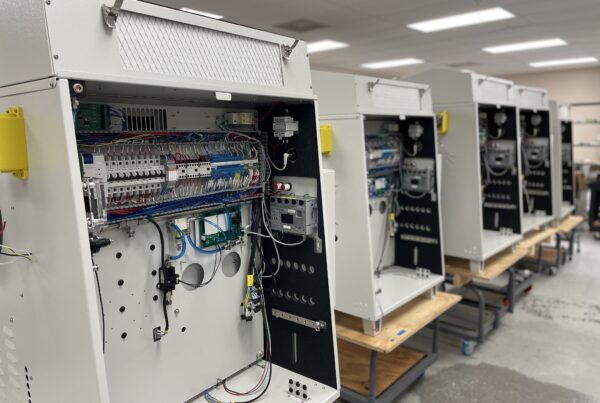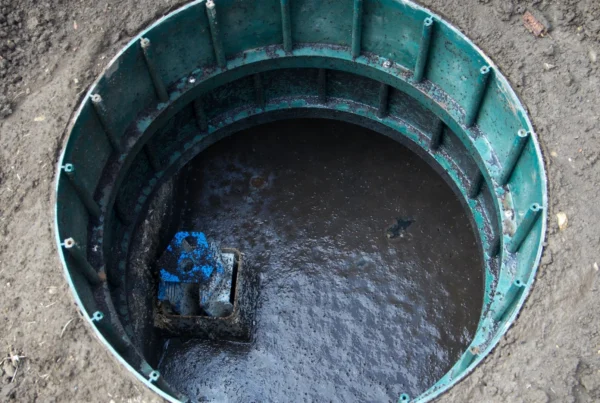

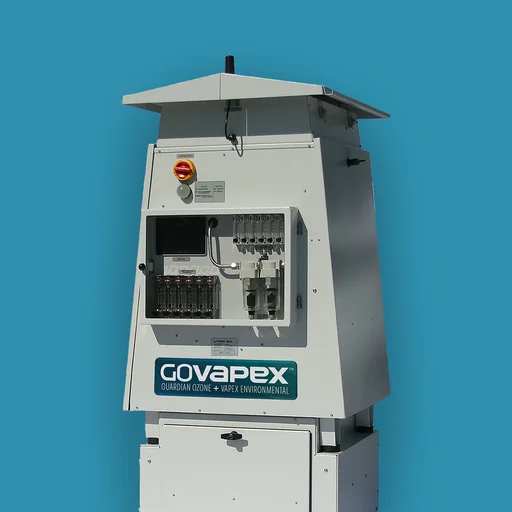
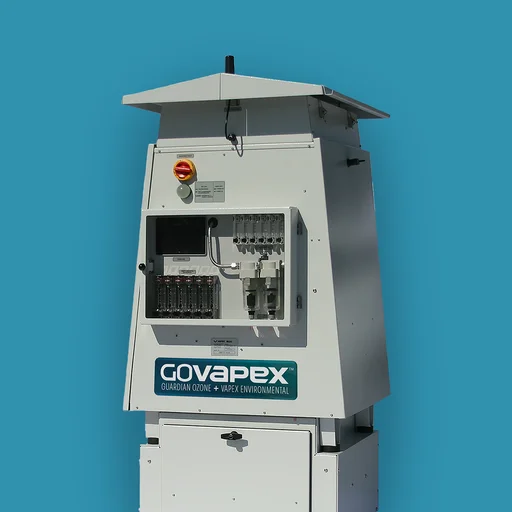
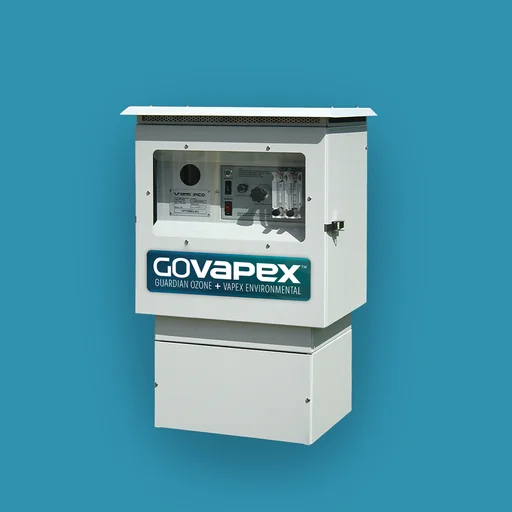
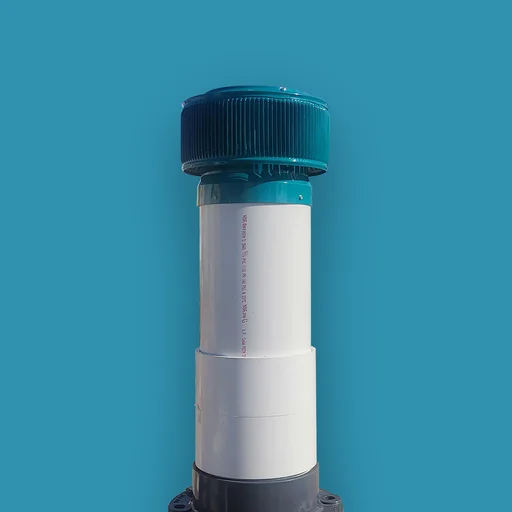
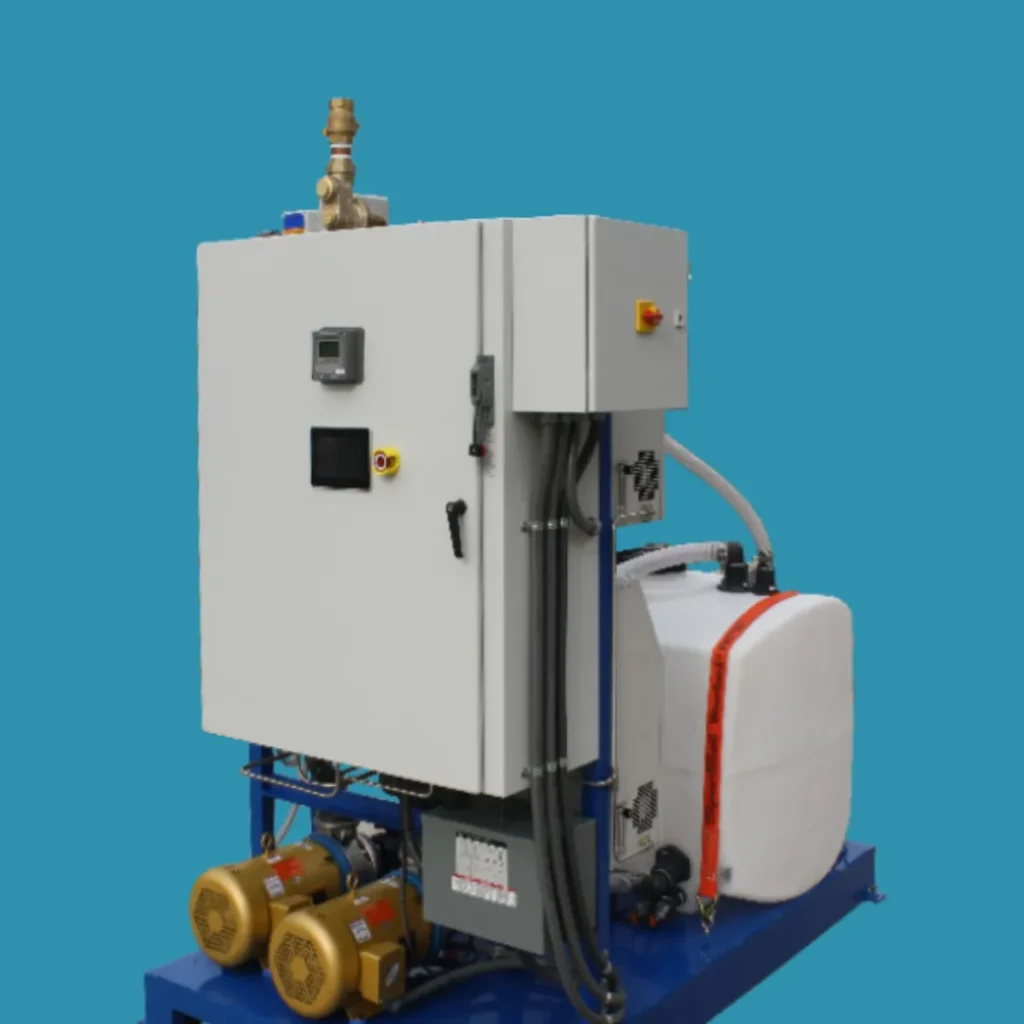
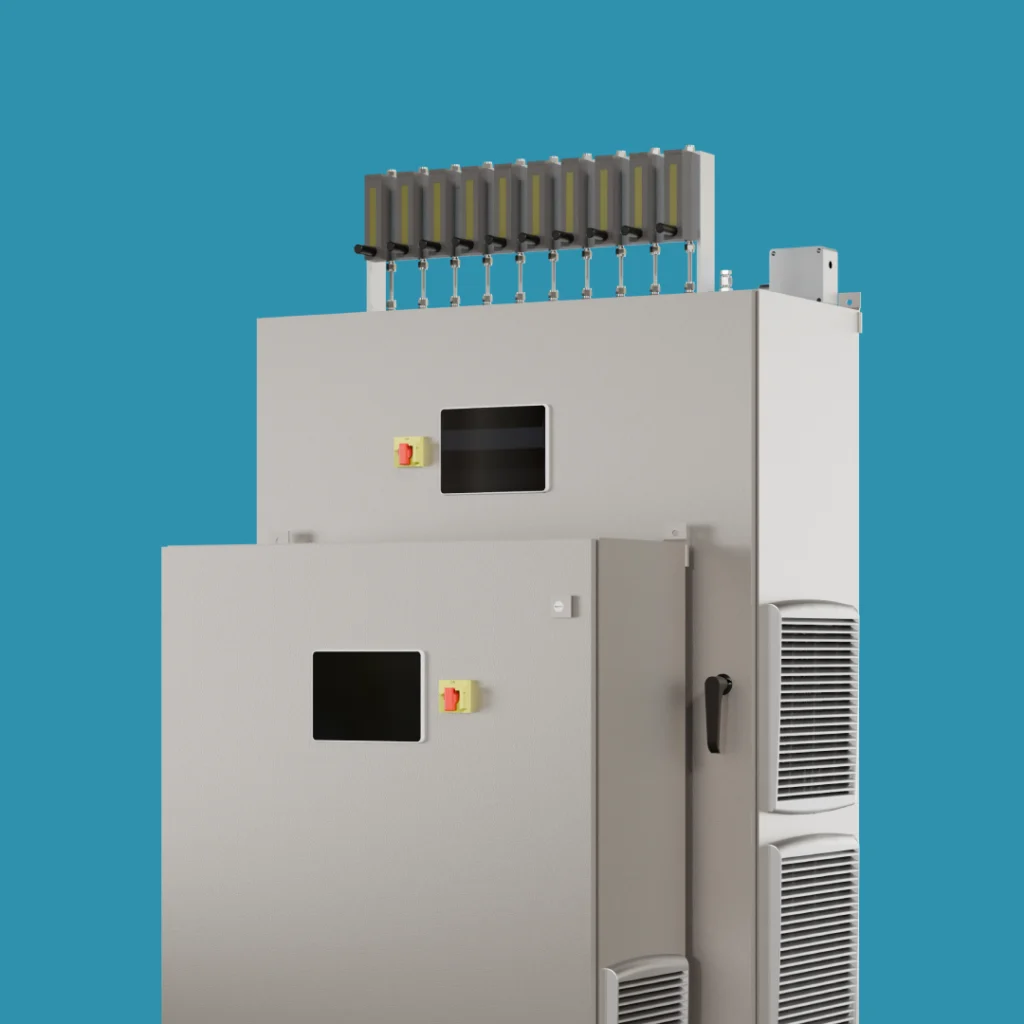

Modern aquaculture relies on intensive recirculating systems to maximize production within limited water resources. Maintaining optimal water quality in these systems is critical to fish health and operational success. Ozone, once limited to laboratory use, is now recognized as a key water management tool in aquaculture. Through compact, air-cooled technology, GOVAPEX ozone systems make this advanced oxidation process practical, safe, and scalable.
Why Ozone in Aquaculture
Aquaculture water quickly accumulates organics, suspended solids, and pathogens. Ozone addresses all three simultaneously:
- Disinfection: Inactivates bacteria, viruses, and parasites without chemical residuals.
- Oxidation: Breaks down dissolved organic carbon (DOC) and removes color and odor.
- Oxygenation: Converts back to oxygen, improving dissolved oxygen levels.
The result is cleaner water, reduced disease outbreaks, and improved feed conversion efficiency.
System Engineering
GOVAPEX systems supply ozone to side-stream loops where it is dissolved under vacuum via venturi injectors. Treated water then passes through a degassing column to prevent ozone carryover before returning to fish tanks. Target dissolved ozone concentrations range from 0.1–0.3 mg/L, enough for oxidation but safe for aquatic species.
Automation through ORP sensors maintains stable control, typically between 300–350 mV in RAS systems.
Case Study: Shrimp Hatchery, Gulf Coast USA
A shrimp hatchery operating 1,500 m3 of water installed a GOVAPEX Sentry 100 g/hr ozone system in 2024. The goal was to reduce mortality during high-density grow-out.
| Parameter | Before GOVAPEX | After GOVAPEX Installation |
| Dissolved ozone | None | 0.2 mg/L average |
| Mortality (weekly) | 12% | 3% |
| Feed conversion ratio | 1.6 | 1.3 |
| Water clarity (NTU) | 11 | 2 |
| Biofilm accumulation | Heavy | Minimal |
After six weeks, operators reported clearer water, reduced sludge buildup, and decreased odor. The system operated continuously with <1 hr/month maintenance.
Operational Benefits
- Biosecurity: Continuous low-level oxidation prevents pathogen buildup.
- Water Clarity: Finer solids coagulate and settle faster.
- Equipment Longevity: Reduced fouling in filters and heat exchangers.
- Sustainability: Eliminates chemical disinfectants and reduces water exchange frequency.
Energy and Cost
Power consumption for GOVAPEX systems averages 1.1–1.4 kWh per pound of ozone, translating to <$0.02 per m3 treated water. Compared to UV or chemical dosing, lifecycle cost is 30–50% lower.
Conclusion
Ozone is transforming aquaculture from reactive to preventive water management. GOVAPEX air-cooled systems deliver this chemistry in compact, corrosion-resistant designs suitable for hatcheries, RAS facilities, and ornamental fish operations. Clean water, healthy stock, and reduced operating cost, the essential triad of sustainable aquaculture, is now achievable through advanced oxidation.
- Timmons, M.B. and Ebeling, J.M. (2013). Recirculating Aquaculture.
- U.S. EPA (2012). Guidelines for Water Reuse.
- Summerfelt, S.T. (2003). “Ozonation and UV Irradiation,” Aquacultural Engineering, 28(1–2): 65–86.